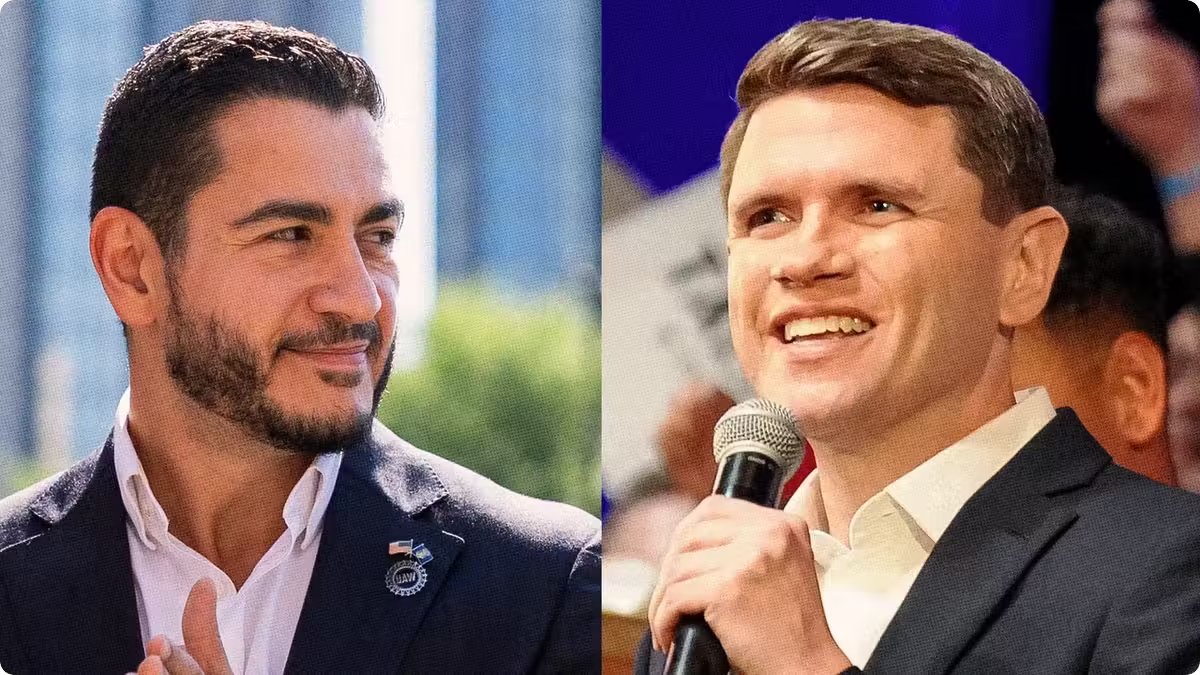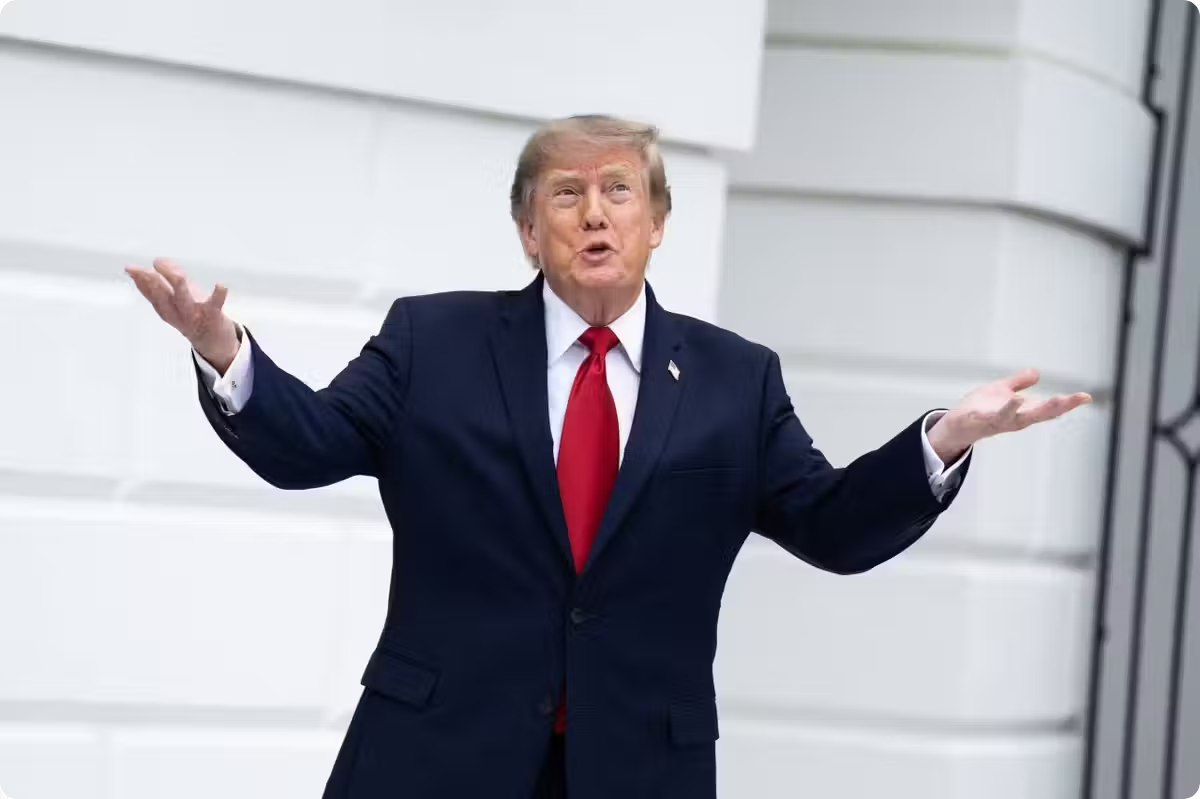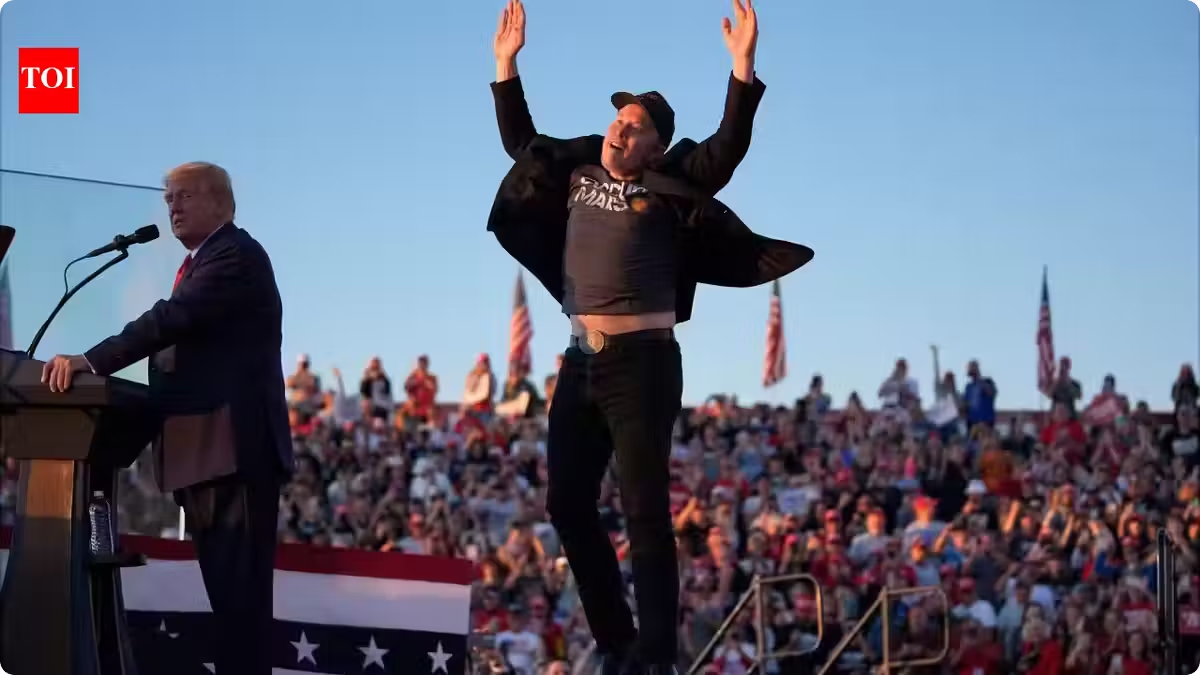
The heads of Tesla, SpaceX, and the world's richest man, Elon Musk, face significant financial and political repercussions after Republican candidates suffered alarming defeats in the U.S. midterm elections. Musk, who spent nearly half a billion dollars to support Republicans, failed to prevent Democrats from taking control of both chambers of Congress and from defeating Republican Governor Greg Abbott in his race against Gina Hinojosa in Texas, ending decades of Republican dominance in the state. [1]
The news triggered declines recorded on financial markets. Tesla shares fell by 3.6%, while those of SpaceX dropped by 3.2% in Wednesday trading, underperforming the broader market index despite the overall consolidation of American stock markets following the Republicans' loss of control over Washington. Other notable values affected include stocks in Trump Media & Technology Group, which fell by 13.7%, and Nvidia, which represented the biggest drag on the S&P 500 index with declines of 1.8%. [1]
A Democratic majority in Congress could pave the way for new aggressive investigations. Lawmakers have already questioned satellite communication restrictions used by Ukraine, massive cuts to federal jobs led by Musk's Department of Government Efficiency (DOGE), and government contracts and subsidies received by his companies. The incoming Chair of the House Oversight Committee, Robert Garcia, was not gentle, offering them short advice: 'Lawyer up.' [1]
The impact will be visibly felt in complex data center building projects. SpaceX intends to expand its computing capacity to 3 gigawatts by the end of the year and 13 gigawatts next year, but a hostile political climate could lead to construction moratoriums or strict regulations regarding energy pricing. Analyst Jake Dollarhide pointed out that a Democratic victory could slow the rapid growth of the AI sector, while Texas's newly elected governor, Gina Hinojosa, has suspended new projects and revoked tax agreements for the industry, considering them 'political theater'. [1]
Musk responded with irony through posts on his X platform, suggesting 'data centers in space.' However, the challenge remains real at the local level, with Hinojosa opposing the sale of a state park to SpaceX and demanding an immediate halt to expansion to protect local communities. [1]
As the story develops
Update
Tesla and SpaceX record historic market losses after Democratic victory
Investors readjusted expectations at the start of the November 4, 2026 market session, with Tesla shares falling by 5% and SpaceX shares by 7% in pre-market trading, later partially recovering to declines of approximately 2.5% and 1% respectively during morning trading. This initial loss wiped out over $100 billion from the combined value of Musk's companies. Political protectionism and regulatory uncertainty are the main reasons for the sell-off. While broad indices such as the Dow Jones rose by 2% (+1,045 points) and the S&P 500 by 1.25%, Tesla and SpaceX underperformed the market. Additionally, Bloomberg notes uncertainty related to the possible merger between the two entities. Investors fear stricter regulation of artificial intelligence and uncertainty surrounding a potential Tesla-SpaceX merger under a Democratic administration, according to Bloomberg. Amid the recession specific to Musk's tech sector, the Dow Jones rose by 1,045 points (2%), the S&P 500 by 1.25%, and the Nasdaq by 1.3% at opening. Vikram Rai from First New York warned that a complete Democratic victory would be a major risk for stocks, given that Democrats could slow down the merger process, although Congress does not have the unilateral power to block it. The boards of directors of both companies have created special committees of independent directors to examine a combination, a process announced by Musk during SpaceX's quarterly earnings call in October. Approval from 50% of Tesla shareholders is required for validation. [4] [5]
Elon Musk surpassed any other donor in 2026, contributing over $445 million according to MarketWatch and reaching at least $474 million according to CNBC. Of this amount, $224 million were directed exclusively to campaigns in Texas. Musk's favorite Republican candidates in Texas, Senator Ken Paxton and Governor Greg Abbott, lost. Democrat James Talarico became senator, and Musk directed a significant portion of his donations against Talarico. America PAC invested nearly $87 million in 44 federal races. By Monday morning, supported Republican candidates had lost 29 races and won only 3, while 12 remained undecided. Approximately 93% of the PAC's expenses went to lost races. Musk's Texas-based empire is under investor scrutiny following unexpected Democratic victories in his adopted state. Tesla fell by 3.3% and SpaceX by 3.8%, erasing almost $130 billion from the combined market value. Total national victory adds a layer of additional risk because Musk is a prominent Republican donor. Ivan Feinseth from Tigress Financial Partners noted that 'Texas turning blue' creates a new political challenge, especially since Musk's empire centers on the state. Although broader markets advanced, Tesla and SpaceX, AI capital giants, risk seeing their immense free cash flow flows blocked, consumed by AI development. Elected Governor Gina Hinojosa opposed unlimited data center expansion. CNN exit polls show that voting in Texas reflected sentiment toward the Republican donor. Musk is not the only Trump-linked CEO and invested nearly $450 million, including $205 million just in Texas. He joked on X that his election interference lasers did not work and that plans for space data centers now seem 'very attractive'. Re-registering companies in other states remains a legal possibility, albeit complicated. David Meier warned that the risk of short-term reprisals is real. The Tesla-SpaceX merger, discussed for the first half of next year, could be accelerated by a Democratic Congress in January raising the risks of overseeing deals of this magnitude. Matt Maley from Miller Tabak + Co. estimates that it will be difficult for people like Musk in the next two years. [5] [3]
AJ Bell investment director Russ Mould explained the pressure on shares through political change in Texas: a new Democratic senator in the state where Tesla and SpaceX have their headquarters and major facilities creates a hostile environment. Tesla and SpaceX headquarters are located in Texas. Newly elected Democratic Governor Gina Hinojosa campaigned against corporate subsidies and called for stopping the construction of new data centers. However, Republicans hold the majority in the state legislature, limiting her ability to quickly change state policies. [5]
A Congress controlled by Democrats could launch investigations into Musk's government contracts, his previous role at the Department of Government Efficiency (DOGE), and connections between his companies and Washington. President Trump holds veto power over legislation. [5]
Update
SpaceX credit risk reaches record levels
SpaceX debt credit risk hit a historical high on Thursday, extending the move triggered by the results of the US midterm elections, which increased political risks for Elon Musk's Texas-based companies. SpaceX SpaceX's five-year credit default swap (CDS) widened by up to 14.6 basis points, reaching a level of 284.3 basis points per annum, according to ICE Data Services. This represents the highest level recorded so far, preceded only by the previous peak on October 30. [6]
- Categories:
- Politics
- Entities:
-
- Donald Trump
- CNN
- Texas
- Ken Paxton
- Greg Abbott
- James Talarico
- Gina Hinojosa
- Trump
- Congress
- Tesla
- Elon Musk
- Spacex
- Bloomberg
- America PAC
- Semianalysis
- Reuters
- Anthropic
- CNBC
- S&P 500
- X
- NASDAQ COMPOSITE
- DOW JONES INDUSTRIAL AVERAGE
- Memphis
- Robert Garcia
- Longbow Asset Management
- Colossus
- Colossus II
- Jake Dollarhide
- Department Of Government Efficiency
- House Oversight Committee
- X
- Tigress Financial Partners
- Ivan Feinseth
- David Meier
- AJ Bell
- Russ Mould
- Marketwatch
- Vikram Rai
- First New York
- ICE Data Services
Sources
- The Times of India Midterm gamble, sliding stocks: Elon Musk's pricey election hangover continues
- Bloomberg Musk’s Texas Gamble Becomes Liability With Democrats Taking Over
- ndtv.com Elon Musk Hit By Democrat Wave, Tesla, SpaceX Lose $130 Billion In A Day
- businessinsider.com Tesla and SpaceX shares drop after Elon Musk's election bet backfires
- qz.com Shares of Tesla and SpaceX fall after Elon Musk's midterm election bet backfires
- Bloomberg SpaceX Default Risk Hits Fresh Peak as Tech-Led Selloff Builds