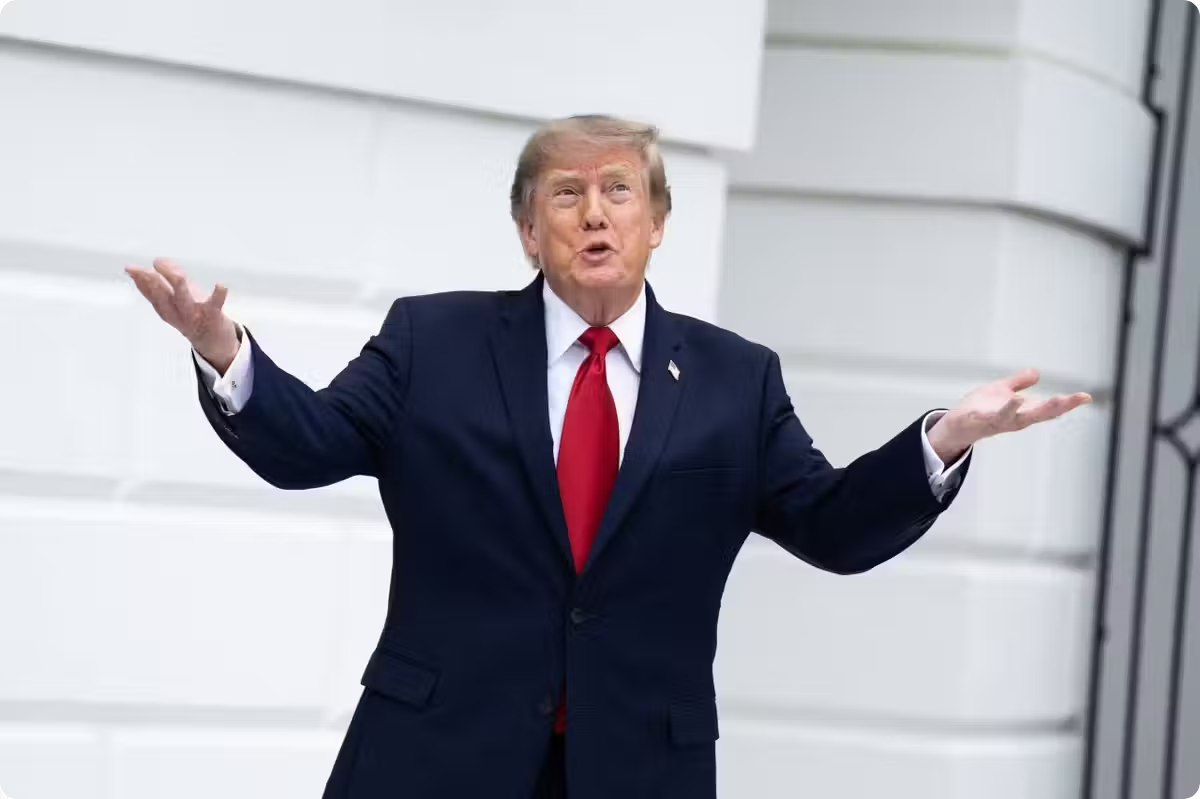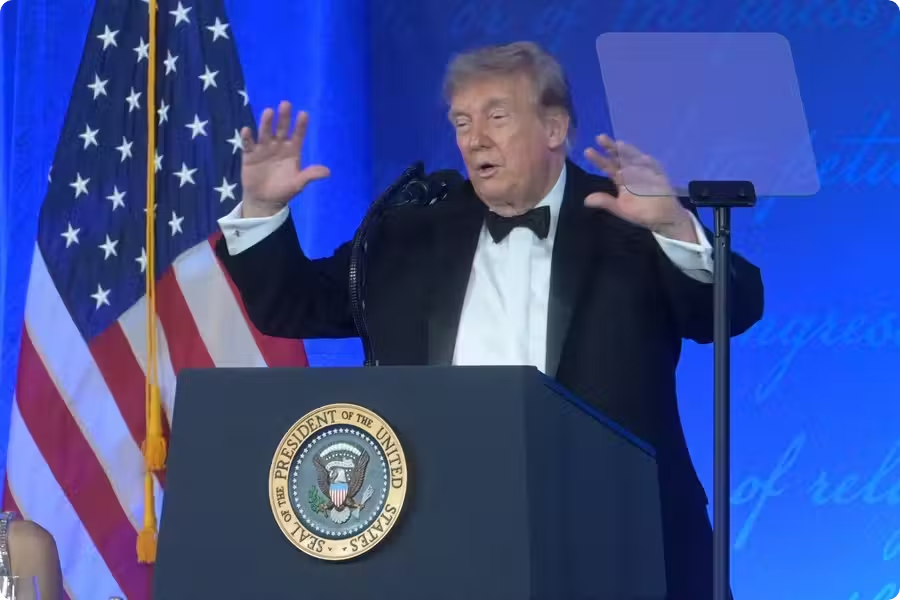
After Republicans suffered a proportional defeat in the United States midterm elections, foreign policy analyst Ștefan Popescu believes that Donald Trump will regroup quickly and attempt to regain lost ground, particularly by focusing on foreign policy. In an analysis for Gândul, the political scientist emphasizes that although Trump will be focused on domestic issues, internal pressures could drive him to act more decisively internationally. [2]
Ștefan Popescu is skeptical about the possibility of a dramatic change in the American approach compared to the previous president, Joe Biden. He argues that an America concentrated on investigative committees and potential impeachment procedures will be, contrary to certain political interpretations, 'less willing to return to the old policy' of unconditional support. According to him, 'the champagne has not been opened' for those hoping for a major pivot by Washington, emphasizing that the difference lies primarily in rhetoric. [2]
A crucial aspect identified by the analyst is the orientation towards the far left of a wing of the Democratic Party, which promotes a 'very restrictive' foreign policy, expressing reservations regarding Israel and seeking to introduce an element of 'morality' into American external actions. Popescu warns that this current, becoming increasingly prominent, does not necessarily represent an advantageous solution for traditional US partners. [2]
The change in tone is not limited to the USA; it is intended to convey the message of Republican defeat at the European level, given the important electoral exercises scheduled for spring next year. Popescu specifically mentions campaigns in several German states, where the AfD party is on the rise, as well as elections in France, in a context where anti-American or pro-Russian rhetoric may find political echo. [2]
As the story develops
Update
Alina Inayeh: The democratic victory and the sanction against Trump
The results of the United States midterm elections have redrawn the political balance in Washington, confirming an advance of Democrats at both the federal and state levels, surpassing initial estimates. Alina Inayeh, fellow at the German Marshall Fund and director of Aspen Institute Romania, considers that this victory, described by the analyst as a 'blue wave', reflects first and foremost a sanction against President Donald Trump, driven by the rising cost of living and dissatisfaction with administrative policies. [3]
According to Alina Inayeh, Donald Trump's response to the constraints of the new Congress will likely be oriented towards foreign policy. The American president will attempt to reaffirm his authority and ability to 'do what he wants', using tools more easily available in international relations than in the domestic sphere, which involves legislative barriers. Inayeh anticipates drastic and shocking measures, similar to those implemented previously regarding Iran, Venezuela, or through tariffs, aimed at demonstrating the continuous power of the executive branch. [3]
Inayeh warns that Trump's dependence on close associates lacking diplomatic experience, appointed to key positions due to personal or financial connections, could lead to major gaffes and increased difficulty in managing the relationship with a Congress controlled by the opposition. On the other hand, the expert highlights the existence of 'solid levers' of the American political system, which can limit the president's whims, regardless of who is in the White House. She also anticipates a period marked by confrontation, with the likelihood of opening parliamentary inquiries, including in sensitive cases such as the Epstein file or diplomatic incidents. [3]
Discussion of foreign policy is also influenced by regional factors, particularly the Iranian file, where Israeli Prime Minister Benjamin Netanyahu plays an active role in pressuring the Trump administration to resume attacks. Inayeh notes the contradictions in the American president's discourse regarding this request, the difficulty of isolating the Iranian file from tensions in the Persian Gulf, and the strong influence of the Jewish lobbying group in the US. Furthermore, the analysis underscores the internal vulnerabilities of the Democratic Party, whose rise of the radical progressive wing could alienate moderate voters heading into the 2028 elections. [3]
- Categories:
- Politics
- Entities:
Sources
- Adevărul Fereastra de timp în care Donald Trump va avea putere absolută indiferent de Congres. Pericolul major pentru UE și Ucraina
- Gândul Ștefan Popescu: Trump poate căuta să recupereze în exterior/America va fi și mai puțin dispusă să revină la vechea politică față de Ucraina
- Adevărul Alina Inayeh, despre victoria democraților în SUA: Ce urmează pentru Donald Trump și politica externă americană