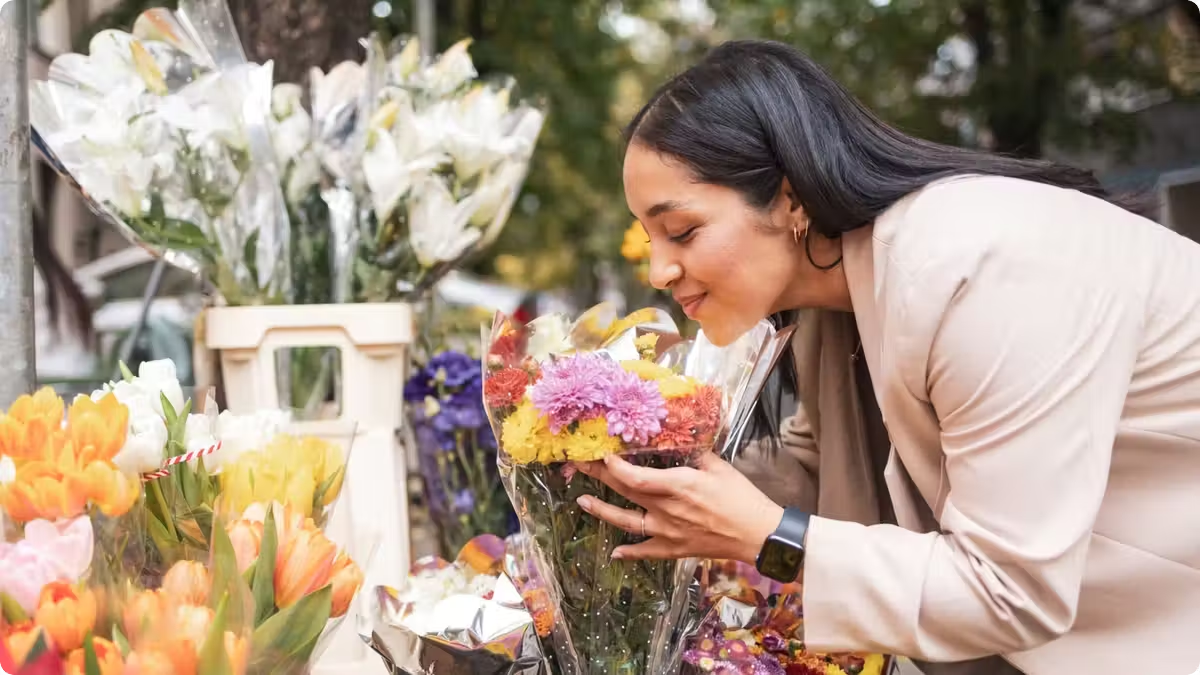
The daily grind rarely feels glamorous. Between jobs, family responsibilities, household chores, and endless appointments, it is easy to feel like we are merely surviving the week rather than living it. Yet, a growing social media movement suggests that ordinary days can be transformed through a shift in perspective. This phenomenon, known as 'romanticize your life,' has gained significant traction across platforms like TikTok and Instagram, resonating with users who are looking for ways to inject meaning and beauty into their everyday routines. It is a call to view the mundane through a lens of appreciation, turning simple acts into small rituals that bring joy and stability to modern life. [1]
At its core, the trend is about intentionality. It does not require expensive trips, dramatic lifestyle changes, or a perfect aesthetic for social media display. Instead, it invites individuals to notice and savor the small details that make up daily existence. This might mean choosing a particularly beautiful mug for morning coffee, playing favorite music while cooking dinner, taking a walk during the golden hour of the evening, or lighting a candle on the table even if the meal is just pasta. These actions are not about creating a high-gloss facade for others but about cultivating a personal mindset that finds beauty in the ordinary. The goal is to stop moving through life on autopilot and start engaging with the present moment. [1]
Psychologists have long recognized the value of this approach, albeit under different terminology. In the field of positive psychology, the concept is known as 'savouring.' Savouring refers to the ability to notice, enhance, appreciate, and enjoy positive experiences, events, and memories. While social media trends often frame 'romanticizing your life' as a stylistic choice, psychologists argue that it is a crucial skill for building resilience and enhancing well-being. By consciously paying attention to pleasant moments, individuals can experience them more intensely and retain them in memory longer. This deliberate engagement counteracts the brain's tendency to filter out routine stimuli, allowing people to find satisfaction in the here and now rather than postponing happiness to some hypothetical future time when life will supposedly be less stressful. [1]
The appeal of this trend lies in its accessibility and low barrier to entry. Unlike other wellness trends that may demand significant financial investment or time commitments, 'romanticizing your life' relies on resources everyone already possesses: a few quiet minutes, a comfortable space, and a shift in attitude. It acknowledges that while we cannot control all aspects of our lives, we can control how we relate to the moments within it. This approach encourages self-compassion and patience, reminding us that our daily tasks, no matter how repetitive, are part of the fabric of our lives and deserve to be experienced with care and attention. It is a rejection of the notion that happiness must be earned through grand achievements or external validations. [1]
Experts suggest several practical ways to incorporate this mindset into daily life. One effective method is to create a slower morning routine. Instead of immediately reaching for a phone upon waking, one might spend the first ten minutes in screen-free silence, enjoying a warm beverage and observing the world outside the window. Another strategy is to use 'special' items in everyday settings. Many people save their finest dishes, linens, or fragrances for rare occasions, but using them regularly can elevate the ordinary to the extraordinary, reinforcing the idea that every day is worthy of celebration. Additionally, finding joy in necessary tasks can be achieved by pairing them with enjoyable elements, such as listening to a favorite podcast while cleaning or shopping at a market rather than a supermarket when possible. [1]
A pivotal aspect of this trend is the reframing of the self as the protagonist of one’s own story. In the rush of daily obligations, it is common to feel like a supporting character in one’s own life, defined solely by duties to others. By imagining one’s day as a film scene where they are the main character, individuals can make more intentional choices about their environment and activities. This might involve selecting an outfit that makes them feel confident, choosing a song that sets a specific mood for their commute, or treating a solo outing to a cinema or museum as a sacred appointment. These acts of self-investment signal to oneself that one’s own company and happiness are valuable. [1]
Furthermore, the practice encourages mindful engagement with the physical environment. Taking walks without digital distractions allows for a deeper sensory experience—notice the colors of autumn leaves, the smell of rain, or the quality of light before sunset. This grounding in the senses helps pull attention away from anxious thoughts about the past or future and anchors it in the present. Similarly, giving oneself permission to enjoy solitude without guilt is highlighted as essential. 'Solo dates'—such as visiting a bookstore, having a cappuccino in a preferred café, or attending an exhibition alone—are framed not as lonely activities but as opportunities for self-discovery and reconnection. By treating these moments with the same respect as any social commitment, individuals reinforce their own importance and well-being. [1]
- Categories:
- Entertainment