Prominent voices from Spain and India have independently stressed the necessity of grounding artificial intelligence in ethical frameworks, human connection, and moral responsibility. Despite operating in different sectors, both Spanish writer Álex Rovira and Indian medical director Prof Vivek Lal argue that technology, while powerful, cannot replace the core human attributes that define societal progress and individual integrity. Their reflections highlight a growing consensus that technological advancement must be subordinate to character, compassion, and accountability. [1]
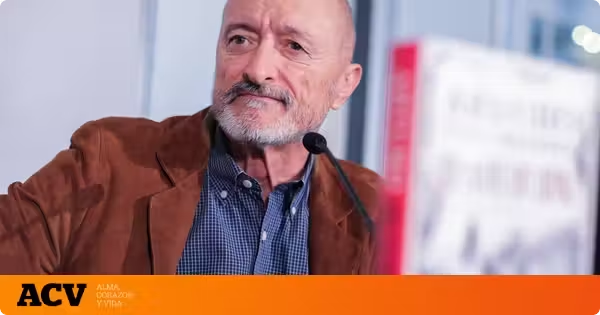
In a recent discussion on the program BBVA Aprendemos Juntos, author and economist Álex Rovira examined the limits of AI in human decision-making. He argued that while neural networks can process vast amounts of data and suggest options, they cannot answer existential questions about identity, desire, or purpose. Rovira stated, 'The technology is useful, but we cannot delegate the sacred issues that make us human,' which he listed as vulnerability, emotions, spiritual connection, and virtue in action. He emphasized that true luck consists of virtues in action, noting that 'there is wonderful people who do not have what they deserve and people who have what they do not deserve because they have stolen it.' [1]
Rovira warned against the delegation of executive responsibility to automated systems, particularly in fields like human resources where leadership decisions carry significant weight. He insisted that 'responsibility is absolutely non-delegable' because 'AI does not go to jail, it does not have to pay.' Using someone else's work without understanding it, whether generated by AI or otherwise, constitutes a fraud that eventually destroys reputation. He established a hierarchy of values in leadership, starting with respect and trust, followed by commitment, quality, and finally excellence, asserting that this human chain is irreplaceable by machines. [1]
Addressing the psychological impact of technological isolation, Rovira referenced Claude Steiner’s theory of the 'economy of strokes' (caricias). He explained that humans require external recognition—such as a smile, a glance, or deep conversation—as much as food or air. In environments devoid of positive interaction, individuals unconsciously seek negative attention through conflict, manipulation, or passive aggression, preferring emotional 'junk food' over genuine connection. Rovira concluded that maintaining dialogue with oneself and serving others remains the key to preserving humanity in an increasingly technological world. [1]
Simultaneously, in Mangaluru, India, Prof Vivek Lal, Director of the Postgraduate Institute of Medical Education and Research (PGIMER), addressed the 16th convocation of Nitte Deemed to be University. He urged graduates to anchor their use of technology in character, commitment, and compassion. Lal remarked that 'technology and digital assets have no meaning if there is no island of commitment, compassion and character to harness them,' pointing out that India’s greatest asset in healthcare is not its machinery, but the trust patients place in professionals. [1]
Prof Lal cautioned students against overconfidence in the face of artificial intelligence, drawing parallels to the potential destructiveness of nuclear technology if misused. He cited the historical contributions of ancient Indian physicians Sushruta and Charaka, who focused on healing and reducing suffering, as models for modern graduates. Aligning his message with Prime Minister Narendra Modi’s vision of Viksit Bharat 2047, Lal advocated for an enlightened mindset among the youth, urging them to serve society rather than blindly trusting digital tools. [1]
- Categories:
- Culture
- Entities: