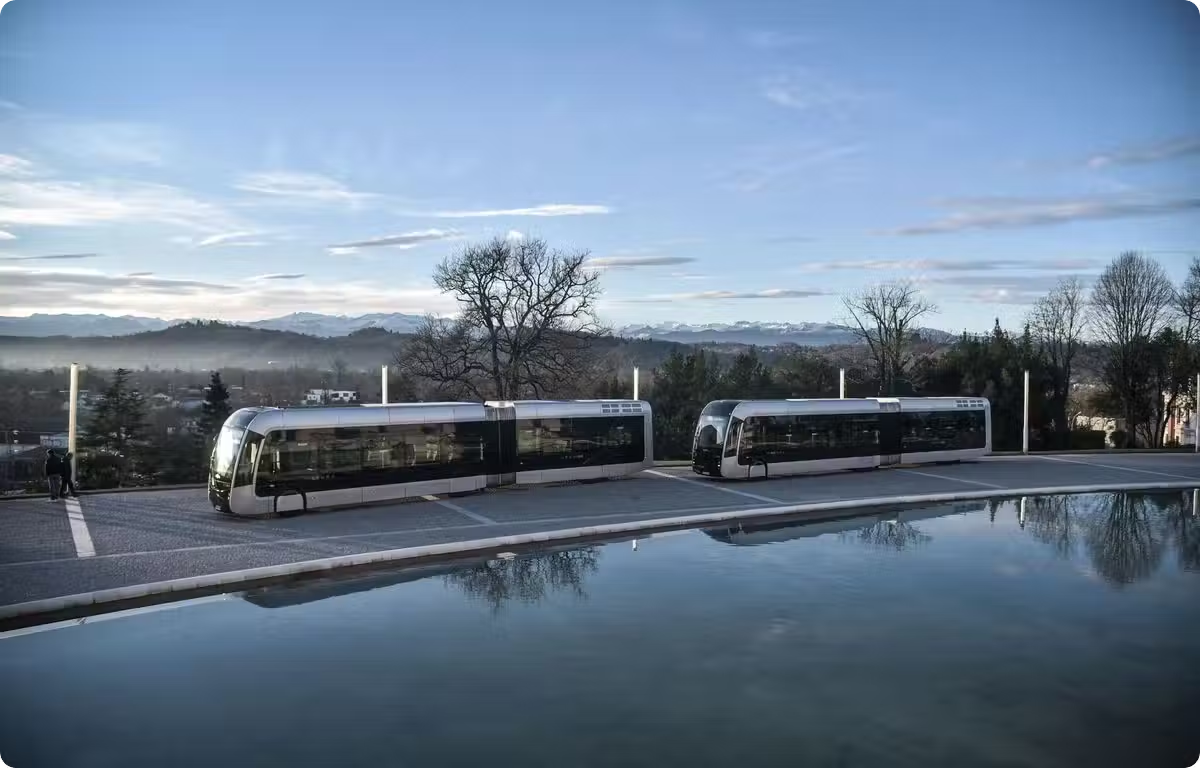
The city of Pau in the Pyrénées-Atlantiques department of France, which previously positioned itself as a pioneer in green mobility, is now moving to abandon its hydrogen-powered bus fleet. Jérôme Marbot, the current mayor and president of the Pau agglomeration, announced during a council meeting on September 25 that the city plans to replace its six High Level Service Buses (BHNS) running on hydrogen due to a series of critical operational and financial difficulties encountered over recent years.
The hydrogen project, which saw its 'Fébus' buses enter service in 2019 and receive a high-profile inauguration by President Emmanuel Macron in 2020, has failed to meet expectations. According to Mayor Marbot, the system has been plagued by recurring breakdowns, exorbitant costs, and insufficient availability. One of the primary points of failure has been the hydrogen production station operated by a subsidiary of Engie. Although the city originally intended to produce its own fuel to maximize environmental benefits, frequent station malfunctions forced the municipality to import 20% of its hydrogen via trucks from Lyon and Santander, effectively neutralizing the ecological gains of the technology.
The crisis has escalated into a legal battle, as the operator Engie now seeks to terminate its contract with the Pau agglomeration, citing excessively high operating costs. Furthermore, the viability of the fleet has been severely compromised by the 2024 liquidation of the Belgian manufacturer Van Hool. Mayor Marbot emphasized that the bankruptcy leaves the city unable to repair the vehicles should they break down. To mitigate this risk, two of the original eight buses have already been stripped of parts to serve as a reservoir for the remaining six active vehicles.
Arnaud Jacottin, president of the Pau Béarn Pyrénées Mobilités transport syndicate, described the current situation as living with a 'Sword of Damocles,' warning that the city remains vulnerable to a massive systemic failure. Jacottin further lamented that these setbacks have delayed the broader program to replace all diesel buses in the network with decarbonized energy sources. Consequently, the administration intends to keep the remaining hydrogen buses in use for as long as possible while transitioning toward a fully electric fleet.
Despite these failures, some former officials continue to defend the original decision. Jean Lacoste, a former deputy to François Bayrou and current opposition municipal councilor, argued that choosing hydrogen in 2017 was a logical move based on the technology's superior autonomy compared to electric options. Lacoste cited a track record of 14 million passengers transported and two million kilometers covered, claiming a commercial reliability rate of 98% and noting that residents appreciate the silence and comfort of the Fébus buses. While acknowledging the production station's frequent breakdowns, he maintained that the technology remains active and suggested a mixed fleet of hydrogen and electric vehicles.
The struggles in Pau reflect a wider, fragmented experience with hydrogen transport across France. Other cities have faced similar infrastructure crises; for instance, 14 hydrogen buses in the Rouen agglomeration were grounded in September due to production station failures, and the town of Houdain in Pas-de-Calais has reported similar issues. Some cities, including Versailles and Dijon, have already abandoned hydrogen entirely. Conversely, some municipalities remain optimistic; Stéphane Le Foll, the mayor of Le Mans in the Sarthe department, expressed satisfaction with his first hydrogen bus and aims to develop a fleet representing 15% to 20% of the city's total vehicle park.
- Categories:
- Transport
- Entities: