Decorating indoor spaces and balconies with plants that offer visual impact without relying on flowers has become a popular trend among home gardeners. However, not all ornamental foliage plants share the same characteristics or care requirements. Two species currently generating interest for their striking aesthetics are the Croton Petra (Codiaeum variegatum 'Petra') and the Scindapsus pictus, commonly known as the satin pothos. While both are tropical plants prized for their unique leaf patterns, they differ significantly in growth habit, lighting needs, humidity preferences, and maintenance demands. [1]
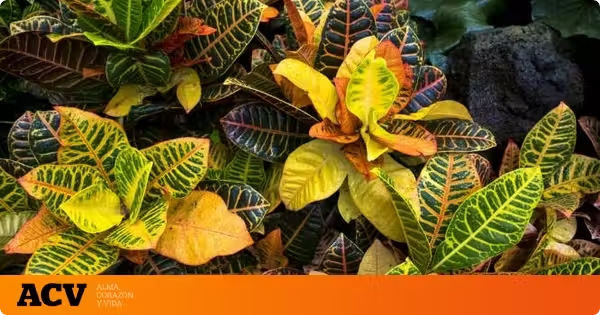
The Croton Petra is distinguished by its large, glossy leaves that display a complex mix of green, yellow, orange, and red hues. Each leaf often features a different color combination, with veins highlighting the surface, giving the plant an appearance reminiscent of hand-painted art. These vibrant colors are produced by natural pigments within the plant's tissues rather than artificial coatings. The intensity of these colors is directly influenced by the amount of light the plant receives. [1]
Because it is a tropical species, the Croton Petra requires abundant light to maintain its vivid coloration. Experts recommend placing it in areas that receive four to six hours of quality illumination daily. Morning sun is particularly beneficial, but direct sunlight during the hottest parts of the day should be avoided to prevent leaf scorch. In warm climates, the plant should be positioned in sheltered areas, while in colder regions, it is best grown indoors near bright windows, away from drafts. [1]
Moisture management is critical for the health of Croton Petra. The soil must remain slightly moist but never waterlogged. Watering should be done with room-temperature water, and the top layer of soil should be checked for dryness before rewatering. Ensuring proper drainage through pot holes and using a mix of universal substrate, perlite, and fine bark helps prevent root rot caused by excess humidity. Additionally, as a tropical plant, it thrives in environmental humidity above 50 percent and stable, warm temperatures. Placing the pot on a tray with stones and water, without letting the base touch the liquid, can help maintain necessary humidity levels. [1]
Symptoms of stress in Croton Petra provide clear indicators for adjustment. Loss of color suggests insufficient light, while dry spots may indicate excessive sun exposure. Brown leaf tips typically signal that the environment is too dry. The plant can be transplanted every one to two years and tolerates light pruning in spring, provided gloves are worn due to its irritating sap. [1]
In contrast, the Scindapsus pictus is a trailing or climbing plant native to Southeast Asian tropical regions, including Thailand, Malaysia, and Indonesia. It is known for its heart-shaped, velvet-like leaves that feature silver speckles or patches. These silver reflections are not caused by pigments but by air spaces and structures within the leaf tissue that alter how light is reflected. The intensity of the silver highlights varies with the level of indirect light the plant receives. [1]
The Scindapsus pictus offers versatility in growth form. Its stems elongate and cascade downwards, making it ideal for hanging baskets, shelves, or high placement. Alternatively, if supported by a stake, it can climb and produce larger leaves, mimicking its natural habitat behavior. Unlike the Croton, which demands bright light to maintain its signature colorful foliage, Scindapsus pictus prefers bright, indirect light. Direct midday sun can cause burns and dry spots, while insufficient light leads to leggy growth and smaller leaves. [1]
Care for Scindapsus pictus involves allowing the surface of the substrate to dry out between waterings to prevent root rot. A well-draining mix containing perlite or pine bark is recommended. The ideal temperature range is between 18 and 27 degrees Celsius. The plant should be kept away from heating vents and air conditioning units. Specific varieties such as 'Argyraeus' feature small leaves with silver dots, while 'Exotica' has larger leaves with broader silver blotches. [1]
Both plants present specific safety considerations. Scindapsus pictus contains calcium oxalate crystals in its leaves, which can cause irritation if ingested by children or pets. Similarly, the Croton Petra's sap is irritating, requiring the use of gloves during handling and pruning. Despite their differences in aesthetic appeal and care profiles, both species serve as excellent choices for adding natural beauty to interior spaces, provided their specific environmental needs are met. [1]
- Categories:
- Tourism