Researchers in Florida have transformed rabbit-like toys into robotic traps to locate Burmese pythons, an invasive species posing a significant threat to the Everglades ecosystem. Launched in July 2025, the project is led by the South Florida Water Management District in partnership with the University of Florida, aiming to facilitate detection and removal of the reptiles camouflaged in dense vegetation. [1]
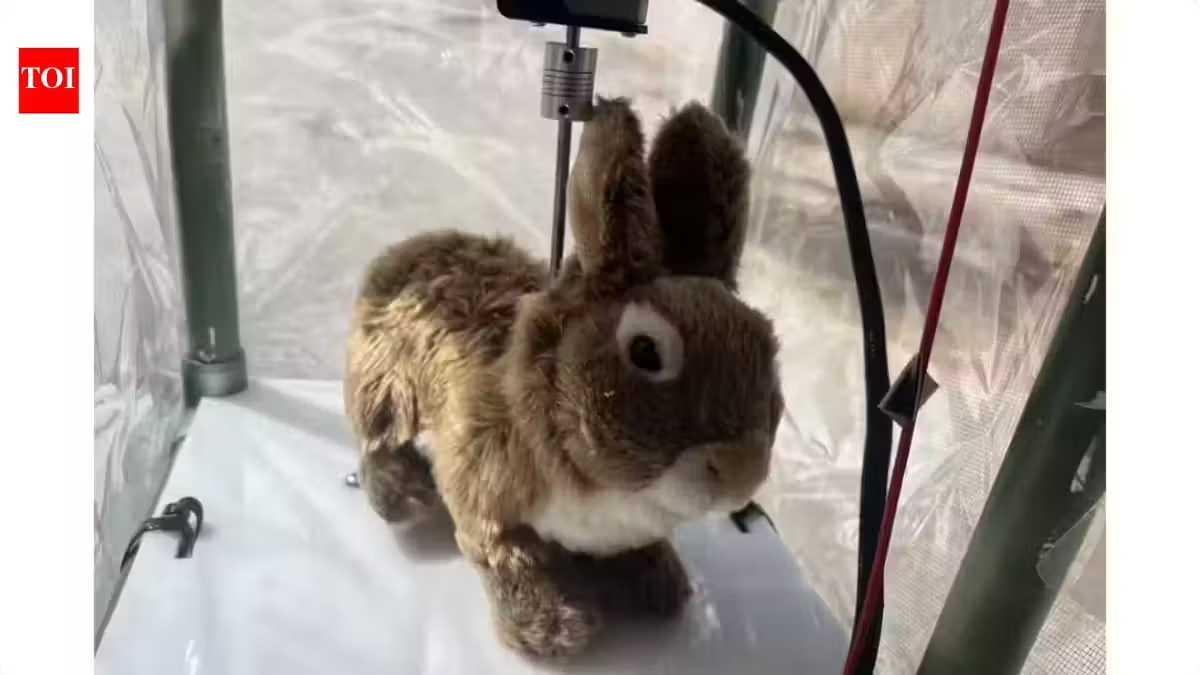
The robotic decoys, developed by university researcher Chris Dutton, replicate the movement and heat of real prey. Toy rabbits have been modified to contain motors that allow them to shake, spin, and move at regular intervals, as well as small thermo-filters that mimic the body temperature of a live rabbit. The system operates on solar power and is weather-resistant, enabling researchers to activate or deactivate it remotely. [1]
The equipment is placed in small enclosures, monitored by CCTV cameras. When a python approaches the decoy, the monitoring system alerts researchers, allowing the district to dispatch removal teams. “Removal is relatively simple. The challenge is detection. We face many difficulties in locating them,” explained Mike Kirkland, the district’s chief invasive animal biologist. Previously, specimens had perfect camouflage in the field, making traditional hunting difficult. [1]
This project serves as a solution to the logistical difficulties associated with using live rabbits, which require constant care and considerable human resources in isolated locations. Professor Robert McCleery, from the department of wildlife ecology and conservation, previously led studies on the response of pythons to live rabbits. “We want to capture all the processes that a real rabbit would emit,” McCleery stated, acknowledging that he is not a robotics engineer. “But I’m an ecologist. I don’t stand around inventing robots.” [1]
Burmese pythons, native to Southeast Asia, were introduced to Florida through the pet trade and have established themselves in the Everglades, where they decimate native mammal populations, including rabbits, raccoons, and birds. While officials remain optimistic about the technology's potential, the experiment is still in its early stages. “This part of the project is just beginning. We are confident it will work once we have enough time to resolve a few details,” concluded Kirkland. Researchers plan to add scent attractants in the future. [1]
As the story develops
Update
Burmese pythons can disperse seeds in the Everglades, new study shows
A recent study published in the Journal of Zoology reveals that Burmese pythons in the Everglades play an unexpected role in Florida’s ecosystem: they can carry seeds and indirectly contribute to plant spread. Scientists analyzed the digestive tracts of these invasive reptiles and identified 25 types of seeds, originating from both native plants, such as cabbage palm and trailing purslane, and invasive species. The finding highlights a secondary seed dispersal mechanism, whereby pythons ingest seeds consumed by their prey—frugivorous birds and mammals—and later redeposit them into the surrounding environment. [2]
The study results indicate that nearly 40% of cabbage palm seeds survived the digestion process, demonstrating the ability to germinate subsequently. This suggests that pythons do not only decimate native animal populations but also influence vegetation dynamics, potentially facilitating the spread of certain plants to new areas. The research also included analyses of black and silver argente tegu iguanas, another invasive species that consumes fruit directly; these exhibited 73 types of seeds in their digestive tracts. Together, the two reptiles have been associated with seeds from 38 plant families, including native, endangered, and invasive species. [2]
- Categories:
- Technology
- Entities:
Sources
- The Times of India How a district in Florida used turned toy rabbits into Robots to control growing population of Burmese pythons and protect Everglades
- The Times of India Florida's giant Burmese pythons are not just eating wildlife; they may be spreading seeds, transforming the Everglades in an unexpected way