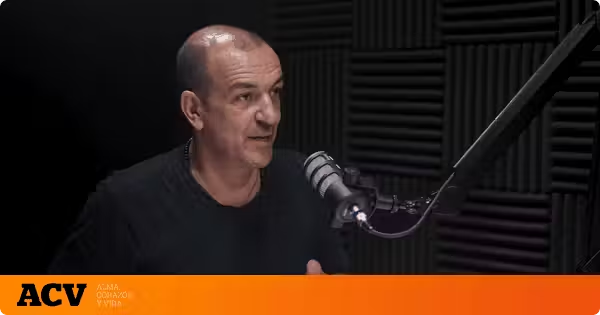
Kenneth Dirksen, a 44-year-old single gay man from the Netherlands, has spent seven years searching for a surrogate mother to help him realize his lifelong dream of becoming a father. In a recent interview with Linda.nl, Dirksen opened up about his strong desire for children, a wish that persisted long before he understood his sexuality or the societal hurdles facing single gay men in the country. His story highlights the complex intersection of personal aspiration, legal restriction, and the community support networks that sustain such journeys in a nation where surrogacy is tolerated but commercially prohibited. [1]
Dirksen recalls knowing from the age of four that he wanted to be a parent, describing it as the first thing he knew about his future before he even knew what career he would pursue. When he eventually came out as gay, his mother’s immediate reaction was concern that she would not become a grandmother, though this doubt never materialized. For Dirksen, the pathway to parenthood had to change, but the desire remained constant. He views parenthood as the greatest and most beautiful responsibility, aiming to raise a balanced, respectful, and curious individual with compassion for others and themselves. He describes the role of a father as one of guidance, listening, and leading where necessary, while knowing when to let go. [1]
Despite his clear vision, the reality of becoming a single gay father in the Netherlands presents significant challenges. Dirksen has explored various avenues, including foster care and adoption, through organizations like 'Meer dan gewenst' (More Than Wished). However, he feels unsuited to these paths. He rules out co-parenting, citing his parents' divorce as a painful precedent. The idea of permanently separating from his child every week to facilitate co-parenting is emotionally unviable for him. Instead, he seeks a gestational surrogate who has fulfilled her own desire for children and is willing to maintain a special, albeit side-line, bond with the child and Dirksen once the pregnancy is complete. [1]
The legal landscape in the Netherlands adds another layer of complexity. While surrogacy itself is not criminalized and has been long tolerated by authorities, it is illegal to earn money from being a surrogate or to publicly search for one. This creates a gray area where individuals must navigate their searches within their private circles or informal networks. Dirksen notes that while organizations provide legal information, they do not facilitate connections. Consequently, the search becomes a delicate dance between personal outreach and adhering to legal boundaries, requiring immense patience and discretion. [1]
Dirksen’s openness about his journey has garnered supportive reactions from diverse groups. He shares a heartwarming anecdote about receiving a message from a friend from a conservative Christian upbringing who wished him God’s blessing, a sentiment Dirksen, who is not religious, found deeply moving. He also mentions two female friends who offered to be his surrogates. He gently declined the offer of one who lacked confidence in taking on the challenge and asked the other to reconsider, emphasizing that such a decision must be right for everyone involved—the child, the surrogate, and her family. He refuses to prioritize his desire above the well-being of others, describing the process as a tightrope walk he manages constantly. [1]
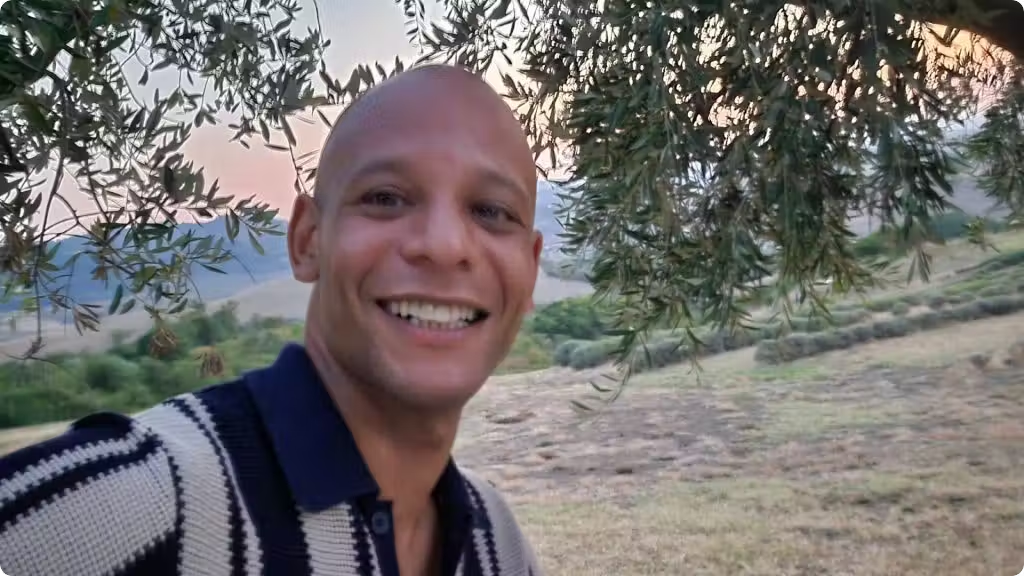
After seven years of active searching, Dirksen remains hopeful and resilient. He draws inspiration from older fathers, such as Dutch journalist Humberto Tan, who became a father again at age 61, proving that age is not necessarily a barrier. Dirksen feels there is still time and space to find the right match. He maintains that while the clock is ticking, the necessity to find a suitable person who is ready and willing cannot be rushed. His persistence is documented on his blog, 'Single Gay Papa,' where he continues to share his experiences and connect with others on similar paths. His story serves as a poignant reminder of the lengths individuals will go to build families outside traditional structures. [1]
- Categories:
- Society
- Entities: