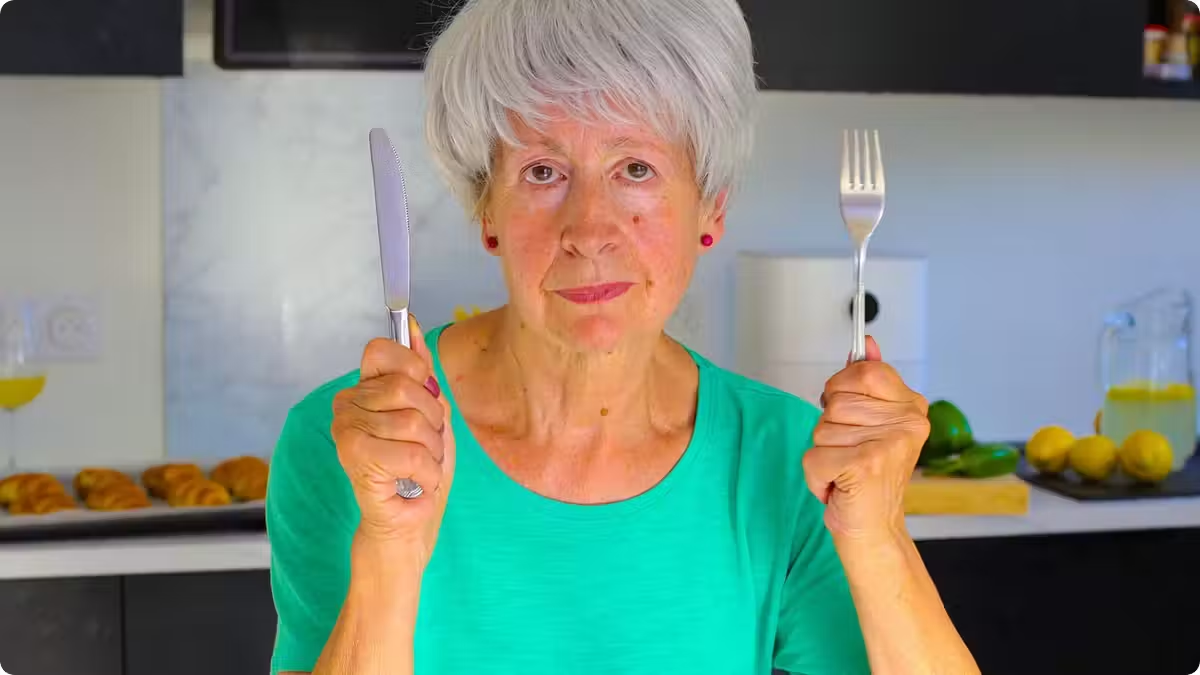
Psychologist Marta Barranco has issued a compelling reflection on how individuals can improve their internal dialogue and rebuild self-esteem by adopting the same empathy and kindness they naturally extend to friends. Barranco, sharing her insights via TikTok under the username @psicologamartabarranco, argues that self-worth is not solely determined by external perceptions but by the manner in which we treat ourselves. Her central proposal is a simple yet transformative exercise: speak to yourself with the same understanding and affection you would offer someone you love. Barranco illustrates this concept through everyday scenarios. If a friend admits to making a mistake at work, most people instinctively offer comfort, helping them see the learning opportunity rather than listing their failures. However, this compassionate response often vanishes when we are the ones who have erred. Instead of seeking forgiveness from ourselves, we tend to recount our errors repeatedly, denying ourselves the grace we so freely give to others. The psychologist urges transferring this outward compassion inward. Errors are an inherent part of learning and should not become excuses for constant self-punishment. Barranco clarifies that acknowledging a situation did not go well is entirely compatible with understanding that everyone makes mistakes and that a single failure does not define one's value as a person. Using the example of physical appearance, Barranco explains how this mechanism works. When a close one expresses discomfort with their look, friends typically highlight their positive qualities and remind them of what is appealing, avoiding criticism of supposed defects. Conversely, when viewing ourselves, the internal dialogue can be harsh and demanding. Many people maintain a critical gaze on their bodies, focusing exclusively on flaws while ignoring strengths. For Barranco, changing this relationship with oneself requires recognizing positive aspects without letting physical appearance become the sole measure of self-worth. This shift applies equally to interpersonal conflicts. If a friend shares that they had an argument with someone important, we listen, allow them to express their feelings, and offer companionship, even if they said something wrong. Our initial reaction is rarely to reproach everything they said incorrectly. This comparison reveals a central truth: we are often much harder on ourselves than on those around us. Barranco points out, 'We usually treat people around us better than ourselves.' She invites attention to this unequal treatment, proposing that we observe how we speak to ourselves during difficult moments and ask if we would use those same words on someone we love. If the answer is negative, it signals a need to review our internal communication. While self-criticism can be useful for identifying errors, it becomes problematic when it leads to constant reproaches and disproportionate demands. Barranco distinguishes between recognizing a mistake and using it to convince oneself that nothing is done well. She insists on abandoning the tendency to punish oneself for every error. 'Our worst enemy is in our head,' she warns, reminding followers not to become their primary source of reproach. [1]
- Categories:
- Society
- Entities: