In a reflective piece for The Good Men Project, an author recounts a late-night breakdown in a grocery store parking lot over a rotisserie chicken, using the incident to explore the disconnect between the chaos of modern dating and the desire for stable connection. The cancellation of a planned romantic picnic via a text message ending in a smiley face emoji served as the catalyst for this emotional collapse, highlighting how minor slights can expose deeper insecurities in contemporary relationships. The author describes feeling utterly ridiculous sobbing over poultry and an uninvested partner, noting that while the experience feels isolating, it reflects a common struggle with the messy, unglamorous reality of modern love. Despite being the most connected generation in history, through apps that provide access to thousands of potential partners, many individuals report feeling more isolated than ever, finding it difficult to locate someone simply to share quiet moments with. Current cultural narratives emphasize self-love, remaining unbothered, and guarding one's peace. While these are vital lessons for personal well-being, the author warns that they can transform into emotional armor that prevents genuine intimacy. [1]
The article identifies the modern obsession with the 'spark'—defined as an instant, undeniable chemical connection—as a central issue in dating culture, often treated as the ultimate sign of compatibility. Contrary to movie portrayals, the text argues that this intense spark is frequently just anxiety masked as chemistry. The physiological symptoms of excitement, such as butterflies, are indistinguishable from a nervous system responding to chaotic patterns. The 'spark' is characterized as a firework: brilliant, loud, and fleeting. It leaves behind smoke and confusion rather than a sustained relationship, yet daters often mistake this transient high for genuine connection. A significant problem arises when the absence of an immediate spark is treated as a dealbreaker. Individuals often dismiss kind, emotionally available partners for lacking intensity, thereby missing opportunities for stable love. True, lasting love is described not as a supernatural event but as a slow burn starting with laughter, comfortable silence, and curiosity. It builds warmth gradually rather than blinding the participants with flash. [1]
The author, referencing a prior incident in a parking lot, explains that new dating struggles are often culminations of past hurts. Individual projections cause new partners to be viewed through the lens of previous trauma. Entering new relationships while carrying the baggage of old ones leads to hyper-vigilance. Individuals create mental checklists of red flags, often so afraid of repeating past mistakes that they sabotage potential happiness. Distinguishing between intuition and fear is identified as the most challenging aspect of dating. Fear manifests as loud demands based on minor delays, whereas intuition is a quiet, calm knowing about a person's character. Healing past wounds is framed as essential not just for personal readiness, but for the ability to see a current partner clearly, free from the distortions of previous relationships. [1]
A turning point occurred when the author met a partner who lacked dramatic flair but offered ease and consistency. This connection felt like a quiet Sunday morning rather than a frantic chase. Initial confusion stemmed from a drama-addicted brain finding calm suspicious. The author expected the 'other shoe to drop,' but the partner’s consistent kindness and small gestures of care provided stability. The piece posits that choosing a quiet, reliable partner is a subversive act in modern love. It involves prioritizing daily presence over dazzling unpredictability. Love is defined as a verb and a series of decisions made on ordinary days. It is found in inside jokes, shared glances, and the comfort of having a 'soft place to land' after a difficult day. [1]
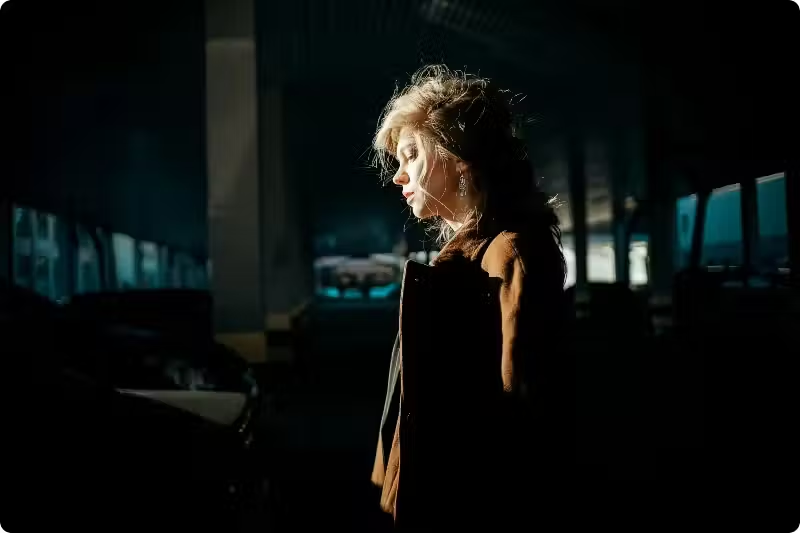
Adopting a mindset where one sees themselves as a complete universe rather than a broken half seeking completion allows for healthier partnerships focused on sharing life rather than filling voids. The ultimate goal of dating is reframed from eliminating loneliness to finding company that is genuinely preferred over solitude. The arrival of such a person feels like coming home, marked by peace rather than firework-like sparks. The post originally appeared on Medium under the author's 'Hello Love' column before being republished in The Good Men Project's featured content section. The accompanying imagery features a photograph credited to Andrey Zvyagintsev on Unsplash. [1]
- Categories:
- Society
- Entities: