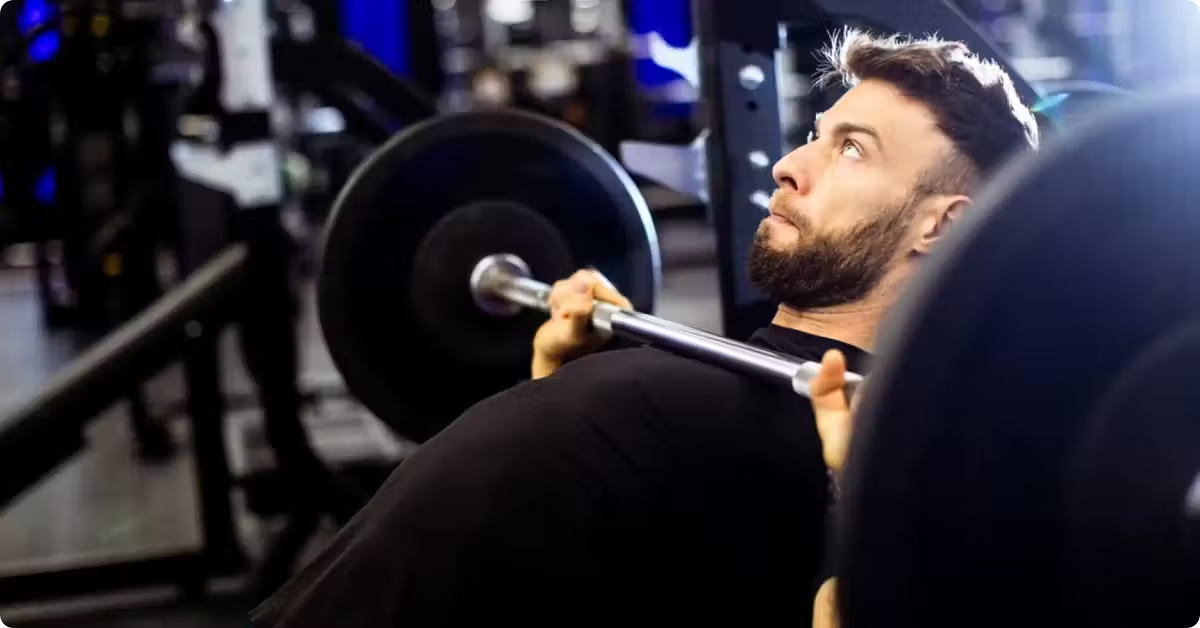
Contemporary discussions surrounding male well-being frequently converge on a single, recurring theme: the intense anxiety men feel regarding their physical presentation and how their bodies are perceived by others. Whether in the structured environment of a gym, where the pursuit of muscular strength is often driven by online subcultures, or in the vulnerable setting of a public restroom, the underlying mechanism is remarkably similar. It is a complex interplay of shame, comparison, and a rigid, often unspoken, code of masculinity that equates vulnerability with weakness. Recent analyses from psychological experts highlight two distinct but related facets of this phenomenon: the motivational engine of the 'manosphere' in fitness spaces, and the deep-seated fear of exposure in communal hygiene facilities. Both areas reveal a population of men struggling to reconcile their desire for strength and respect with a growing culture of scrutiny and internalized inadequacy. [1]
For many young men, the journey into physical fitness serves as the primary entry point into the 'manosphere,' a loose coalition of male influencers, podcasters, and content creators. This digital ecosystem has successfully tapped into a fundamental desire for agency, strength, and self-respect, turning physical self-improvement into a gateway for building large male followings. While the resulting shift toward healthier lifestyles and greater attention to physical capability is a positive development, the methods employed by certain influencers introduce a problematic layer of psychological pressure. Experts note that the manosphere often frames fitness not merely as a path to health, but as a competition of muscle, performance, and status. This framing can push susceptible individuals toward obsession, perfectionism, and body dysmorphia, creating a dynamic where the gym becomes a place of identity management rather than simple wellness. [1]
At the heart of this issue is the manipulation of guilt and obligation. Prominent figures within the manosphere, such as Andrew Tate, have articulated narratives that bind a man’s self-worth directly to his physical output. The prevailing message suggests that missing a single gym session is not just a lapse in routine, but a moral failing that renders one 'weak' or 'less of a man.' This rhetoric creates a psychological trap where exercise is sustained not by intrinsic enjoyment or health benefits, but by a toxic need to prove oneself and avoid feelings of inadequacy. Consequently, men may feel compelled to maintain their regimen through guilt, reinforcing the idea that their bodies are machines requiring constant maintenance, rather than organic entities deserving of care and rest. This perspective denies men the permission to be yielding or gentle with themselves, offering only 'push, force, and domination' as viable modes of interaction with their own physicality. [1]
Responses to this toxic messaging have historically fallen into two categories, both of which experts argue are insufficient. The first is outright dismissal, viewing the manosphere as 'toxic nonsense' and rejecting its influence entirely. However, ignoring the underlying appeal of this content misses the point; men are seeking validation, structure, and a sense of belonging online. Shaming them for their admiration can inadvertently deepen their attachment to these figures. The second common response is to redirect the motivation outward, arguing that men should exercise for the sake of their partners, families, and future responsibilities. While self-care is indeed a form of responsibility, placing sole emphasis on the utility of a man’s body for others risks reinforcing the belief that the individual man’s physical and emotional state is secondary. It reduces the body to a tool, stripping fitness of its intrinsic value and turning it into another performance metric. [1]
A more effective approach involves evolving the motivation rather than replacing it entirely. The goal is to help men distinguish between wanting to be strong and feeling worthless when weak, or between choosing discipline and fearing rest. To achieve this, men need exposure to alternative models of masculinity—interactions with other men who demonstrate strength without the need to dominate, and environments where vulnerability is not conflated with weakness. These shifts occur in spaces like sports teams, running clubs, or facilitated men’s groups, where the narrative that 'rest is weakness' and 'other men are competition' is actively dismantled. By honoring the initial motive—the desire for discipline, purpose, or role models—and guiding it toward a healthier framework, men can cultivate a sustainable relationship with their bodies that prioritizes mental well-being alongside physical gain. [1]
A parallel manifestation of this societal anxiety with male physicality is found in the evolution of bathroom and locker room etiquette, particularly in the United States. Observations from travelers and sociological commentary highlight a stark contrast between American norms and those in places like the Netherlands. In Amsterdam, public urinals are often open and integrated into street scenes, reflecting a culture where male nudity is normalized and non-sexualized. In contrast, American restrooms have seen a dramatic shift toward modesty and separation. Urinals are now frequently partitioned with metal dividers, and newer designs often isolate urinals within stall-like structures, eliminating even the proximity of men during use. This architectural evolution signals a profound cultural discomfort with the idea of men seeing each other unclothed, a sharp departure from earlier generations where group showers and open urinals were commonplace. [1]
This shift toward bodily privacy and modesty is not merely an aesthetic change but a reflection of deep-seated anxieties regarding masculinity, sexuality, and social boundaries. Psychologists and anthropologists suggest that modern male restroom culture is governed by strict rituals designed to communicate emotional distance and non-interest. Norms dictate that men should not look at one another, thereby avoiding any implication of sexual interest or challenge to one's heterosexual identity. The 'shy bladder syndrome,' or paruresis, where men cannot urinate in the presence of others, is often cited as a symptom of this intense pressure for personal space. While some attribute the rise of modesty primarily to homophobia—the fear that being seen by another man might imply a homoerotic attraction or invite judgment—it is more accurately described as a complex avoidance of any scenario that could be interpreted as intimate or invasive. [1]
The anxiety surrounding male nudity is also heavily influenced by generational differences and the pervasive impact of social comparison. Older generations, such as Baby Boomers, often display a casual indifference to nudity in private or semi-public male spaces, walking without towels or engaging in conversation while unclothed. Younger generations, however, tend to use towels as barriers and avoid verbal engagement in these settings. This behavior is exacerbated by a culture of shame regarding penis size and physical appearance, fueled by internet pornography and unrealistic beauty standards. The fear of being judged or compared has turned spaces meant for collective hygiene into arenas of silent insecurity. Comments on social media videos discussing restroom etiquette reveal a wide spectrum of reactions, from humor to outrage, highlighting the lack of consensus on what constitutes acceptable behavior and where the line between innocent observation and harassment lies. [1]
Ultimately, both the fitness manosphere and the changing landscape of public restrooms reflect a male population grappling with the loss of traditional, albeit flawed, rites of passage and the absence of healthy outlets for male bonding and self-acceptance. The manosphere provides a structured, albeit toxic, path to self-worth through physical dominance, while the avoidance of public nudity reflects a fear of exposure and judgment. Experts argue that talking openly about these issues can reduce the shame and anxiety that perpetuate them. For men, the challenge lies in redefining strength not as the absence of vulnerability or the dominance over others, but as the capacity for self-care, emotional honesty, and respectful interaction. Breaking the silence around these topics and modeling mature forms of masculinity are essential steps toward creating environments where men can feel secure, respected, and human, regardless of their physical state or social setting.
- Categories:
- Society
- Entities: