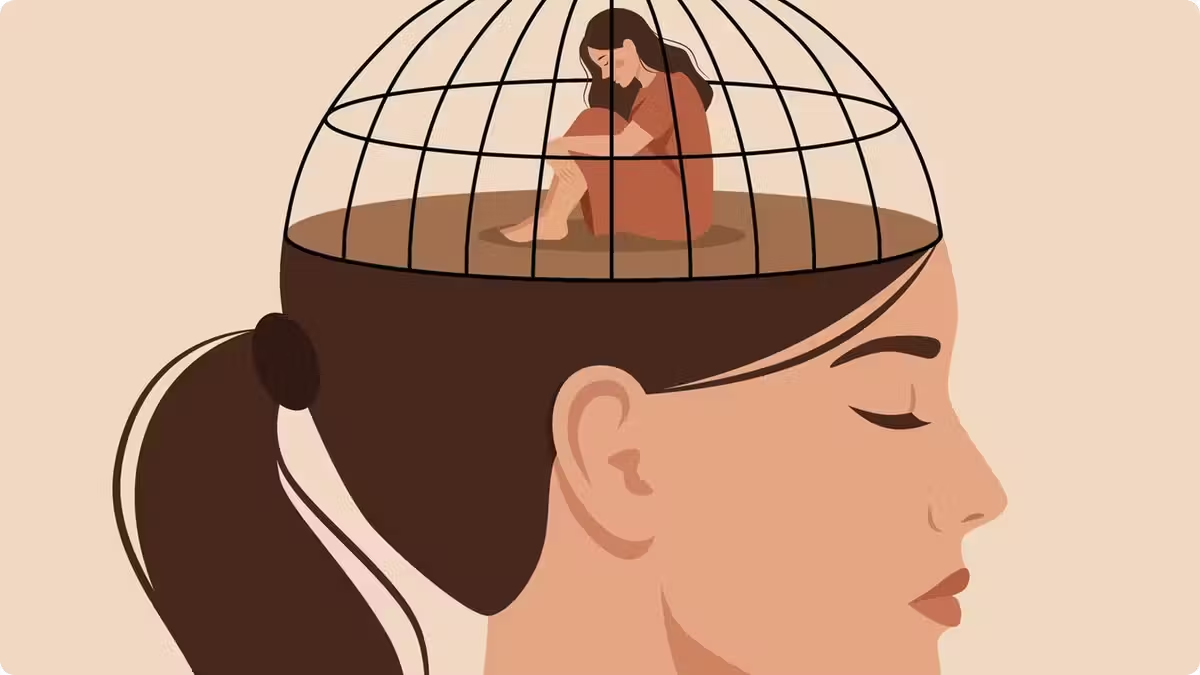
Gambling debts are among the most severe consequences of ludopathia, often escalating from using surplus funds to borrowing from family, taking rapid loans, maxing out credit cards, and owing informal lenders. The resulting financial distress is compounded by shame, fear of family discovery, and the temptation to bet again to 'fix everything at once.' [2]
Exiting this situation requires a specific order of operations: first, stop betting and cut off access to money; second, create a comprehensive list of all debts; third, prioritize debts affecting basic needs such as housing and utilities; and fourth, negotiate with creditors while simultaneously seeking psychological help to treat the addiction. Attempting to pay debts with new bets or loans simply widens the financial gap. [2]
The initial step is to implement barriers against betting. This includes self-exclusion: in Colombia, through operators authorized by Coljuegos; in Peru, via the Ministry of Commerce and Tourism's Registry of Prohibited Persons; in Spain, through the General Registry of Advertising of Gambling Activities (RGIAJ); and in Buenos Aires Province, through the Compulsive Gambling Prevention and Assistance Program. Additionally, blocking payments involves deleting saved cards from devices, disabling online purchases, and potentially having a trusted person manage finances temporarily. [2] [1]
Creating a detailed inventory of debts is essential for negotiation. This list should include the creditor, total amount, monthly payments, interest rates, penalties, guarantees, and payment status. Simultaneously, listing income and fixed expenses determines the actual capacity available for debt repayment, even if minimal initially. [2]
Debts are prioritized based on their impact on basic survival. Housing, utilities, and food take precedence over high-interest debts or those leading to seizures. Negotiations with creditors can result in extended payment terms, reduced interest rates, debt consolidation, or settlement offers. All agreements must be documented in writing. [2]
Warning is issued regarding rapid loans and informal lending ('gota a gota'), which often feature disproportionate interest rates and may involve intimidation or extortion. If threats occur, individuals should contact trusted persons and report incidents to police or prosecutorial services. Informal loans should never be used to pay existing debts. [2]
When debts become unmanageable, legal insolvency procedures may offer relief. In Colombia, non-commercial natural persons can file for insolvency through authorized mediation centers or notaries. In Argentina, individuals can utilize concurso processes under the law. Peru offers limited options for non-business individuals, relying heavily on direct negotiation and consumer protection services. In Spain, the 'Second Chance' Law allows for payment plans or debt forgiveness for those acting in good faith. [2]
Discussing debts with family is difficult but necessary. Experts recommend choosing a quiet moment, presenting facts rather than just emotions, and assuming responsibility without excessive guilt. Families are advised not to pay gambling debts directly without a structured plan, as immediate relief may enable further gambling. Instead, families should support treatment and jointly manage financial controls. [2]
The psychological burden of debt, including anxiety, insomnia, and irritability, acts as a trigger for further gambling. Therefore, psychological treatment and financial restructuring must proceed simultaneously. Resources for psychologists specializing in ludopathia are available in Argentina, Colombia, Peru, Ecuador, Uruguay, and Costa Rica, as well as online clinics in Spain. [2] [1]
For individuals in crisis, emergency services in Spain (024 or 112) provide immediate assistance. Additional resources include Anonymous Gamblers groups in Argentina and Mexico, the Compulsive Gambling program in Buenos Aires, 'Take Control' in Colombia, the Mincetur registry in Peru, and FEJAR in Spain. [1] [2]
- Categories:
- Society