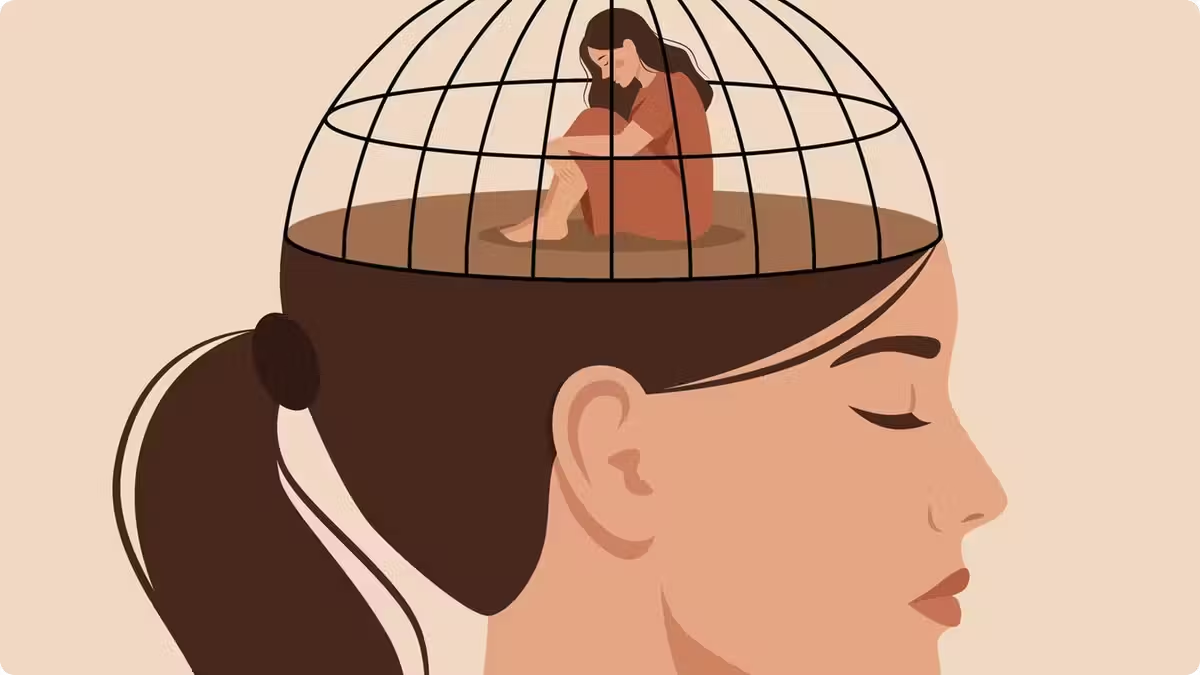
In intimate relationships characterized by narcissistic dynamics, questions often function not as avenues for mutual understanding but as instruments of control and psychological erosion. A recent examination of these interactions highlights seven specific types of queries that appear benign on the surface but are designed to induce self-doubt, enforce compliance, and establish the asker as the sole authority on reality. These tactics transform ordinary dialogue into a series of traps where any response from the partner serves to validate the abuser’s narrative or weaken their sense of self.
One of the most potent entry points for this dynamic is the seemingly harmless request: 'Can I ask you a question?' In abusive contexts, this serves as a critical permission slip rather than a courtesy. Agreeing to it is not merely an act of openness; it is effectively consenting to a trial-like cross-examination. Once permission is granted, the dynamic shifts immediately. The partner agrees to be treated as a defendant rather than an equal, handing over the keys to their autonomy. The subsequent questions are mechanisms to check exits and gather leverage, transforming intimacy into an interrogation where honesty becomes evidence against oneself.
Another common tactic involves framing past actions as factual errors requiring correction. Questions such as 'Do you remember when you...' or 'You said that you...' are rarely attempts at shared reminiscence. Instead, they act as prompts for confession. The narcissist presents an edited version of history, demanding the partner confirm it. This forces the victim to defend themselves against imagined crimes, apologizing for behaviors the narcissist has defined as wrong. The act of defending against these false memories reinforces the abuser’s constructed reality and makes the victim complicit in their own gaslighting.
Generalizations that begin with 'Why do you always...' are another frequent tool. By embedding the word 'always' into the inquiry, the question itself becomes the evidence of the pattern it accuses. Whether asking why one 'always makes things difficult' or 'always assumes the worst,' the narcissist has already pre-destined the outcome. The victim spends exhausting energy trying to prove a negative, attempting to explain themselves out of a cage built by the abuser. The question is not seeking explanation; it is asserting dominance by defining the victim’s identity and behavior without need for proof.
Questions about mental states, particularly 'What are you thinking?', pose a severe threat to privacy and autonomy. When asked at moments of decision or observation, this query acts as a form of surveillance. It demands the partner hand over their inner life for inspection. Any thought expressed is subject to punishment if negative, or performance if positive. Victims learn to sanitize their internal monologue, developing feelings and reactions that are 'safe' to report. This constant performance drains emotional energy and erodes the authenticity of the self, turning private reflection into public property for the narcissist’s approval or criticism.
The 'Are you sure?' trap is specifically designed to destabilize certainty. After a partner has stated a fact or location, repeated inquiries about their certainty invite doubt into a solidified reality. The narcissist is not seeking clarification but is demanding the partner relinquish their authority over their own memory. Each hesitation chips away at self-trust. Eventually, victims begin to say 'I'm not sure' not because they are confused, but to end the confrontation. This admission surrenders the right to define reality to the abuser, allowing the narcissist to rewrite the events of the day with impunity.
Narcissists often keep meticulous mental records of these interactions, turning answers into a dossier. Questions like 'Who were you with?' or 'Where were you?' are posed to build a case file. Later, during arguments, the abuser resurrects previous statements, highlighting inconsistencies or perceived lies that were fabricated or misinterpreted in the moment. The record becomes a weapon, used to confuse and confuse the victim months or even years later. The accumulation of these stored 'answers' creates a narrative of dishonesty that the victim must constantly fight to dismantle, even when they have been truthful throughout.
When a victim begins to recognize these patterns and pushes back, citing that a question feels like an interrogation or a trap, the final defense mechanism activates: 'It's just a question.' This phrase is a masterstroke of reversal. It reframes the victim’s valid discomfort as overreaction or difficulty. By insisting it is merely a question, the narcissist renders the trap invisible and shifts the blame onto the partner for their sensitivity. The partner becomes the aggressor for setting boundaries, validating the abuser’s claim that the victim is unstable or overly dramatic. This defense ensures the cycle of manipulation continues unchecked.
The ultimate strategy for breaking free from these manipulative cycles is the rejection of the premise that one must answer every question. Silence is the one move the narcissist cannot easily process. When asked 'What are you thinking?' or similar interrogatories, refusing to engage—offering no words, no reassurances, and no explanations—denies the abuser the satisfaction of compliance. Silence strips the question of its power. It reveals the trap without stepping into it. By withholding the 'keys' to their reality, the victim reclaims ownership of their mind. The day one stops answering is the day one begins the journey toward true freedom and self-possession.
- Categories:
- Society