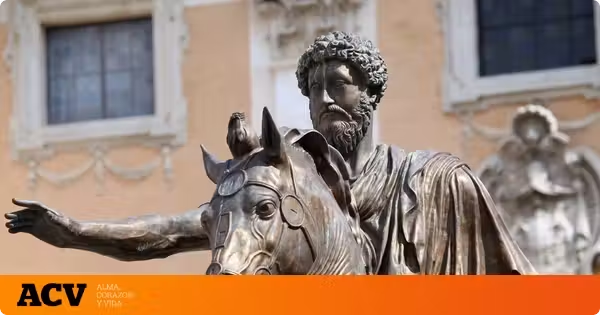
The new piece centers on a morning-motivation quote from Meditations Book V: 'When you find it hard to get up, keep this reflection to hand: I wake to do a task proper to a human being.' It introduces the emperor's reflections on discipline, purpose and fulfilling responsibilities, noting that despite living in the second century his teachings still apply to motivation and dealing with everyday difficulties. [1]
It identifies the line as one of his most recognised phrases about the moment the alarm sounds and it is hard to leave the comfort of the bed. The reflection is placed in Book V of Meditations, described as the emperor's personal notes on living in line with reason and human nature. [1]
The article explains the stoic view that life is not a constant search for comfort, that each person has a function to perform and responsibilities that form part of their nature, and that when wondering whether he was born to stay under the covers, the emperor reminded himself that existence has a purpose beyond rest and immediate pleasure. [1]
It notes that the philosopher did not advocate endless work nor ignoring bodily needs, recognising that sleeping and recovery are part of human nature, while drawing a line between resting as needed and being carried away by comfort to the point of abandoning obligations. The message is framed around acting in line with reason even when emotions or desires push another way. [1]
The biography given repeats that he was born in Rome in 121, became emperor in 161 and reigned until his death in 180, that his rule was marked by military conflicts, epidemics and political difficulties, and that despite holding one of the greatest powers of his era he devoted much of his life to studying philosophy and reflecting on how best to exercise his responsibilities. [1]
It adds that much of Meditations was written during military campaigns, that the collection of thoughts was written in Greek and was not originally intended for publication, and that it covers the passage of time, death, self-control, coexistence and acceptance of what cannot be changed. It notes his influence from Stoic philosophers such as Epictetus and his defence that true freedom lies not in controlling everything around us but in learning to govern our own responses. [1]
- Categories:
- Politics