With the French presidential election of 2027 looming less than six months away, the political landscape is undergoing significant shifts in both polling metrics and party alignments. A new survey conducted by Ifop-Fiducial for Sud Radio, published on November 20, 2026, provides a snapshot of voter intentions at a critical juncture. The poll places Marine Le Pen, leader of the National Rally (RN), firmly at the top with 37% of voting intent among registered electors. This lead persists across various hypothetical scenarios, yet the dynamics of the center-right and left-wing coalitions are showing notable volatility. [1]
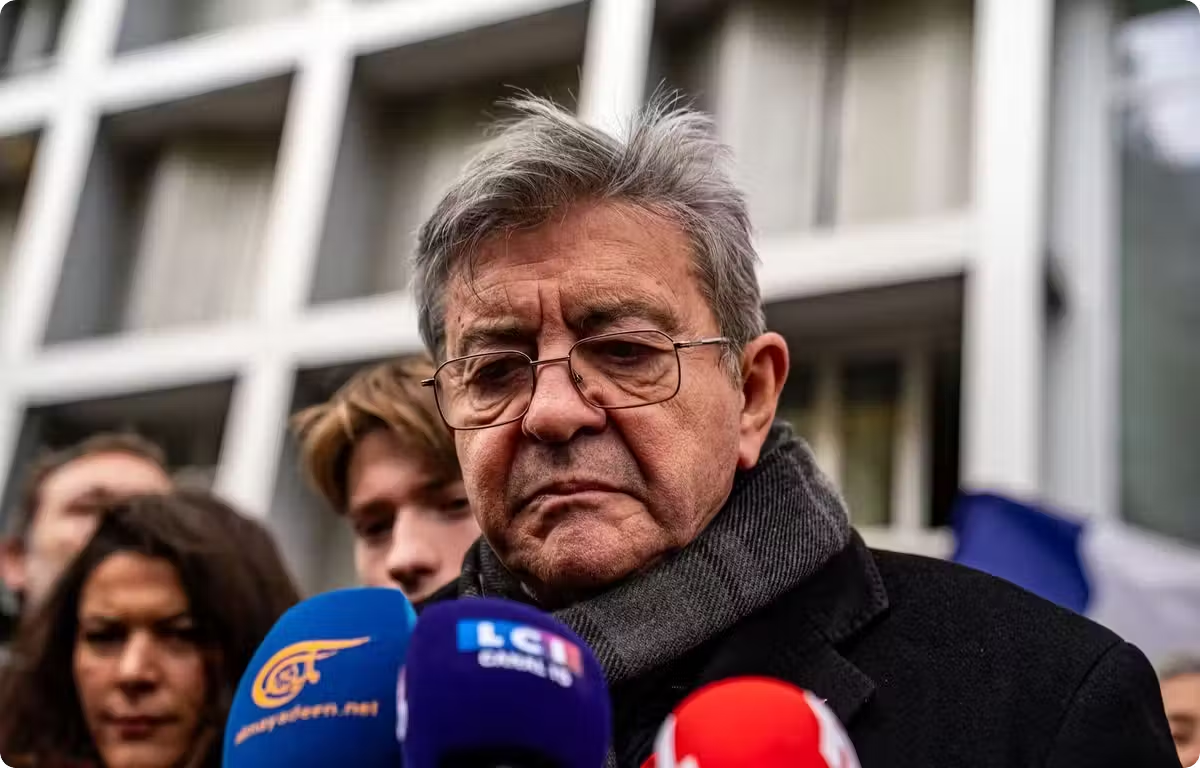
The most significant finding from the Ifop-Fiducial study, which surveyed 1,834 registered voters between November 2 and 4, concerns the potential performance of Édouard Philippe. Currently the head of the Horizons party and the sole representative of the center-right and right bloc, Philippe is projected to secure 19% of the vote. This figure would place him ahead of Jean-Luc Mélenchon of the Unsubmerged (LFI) party, who currently trails at 18%. However, this scenario hinges on Philippe remaining the exclusive candidate for his political block. The poll tested alternative scenarios to assess the resilience of these vote shares and the potential impact of splinter candidates. [1]
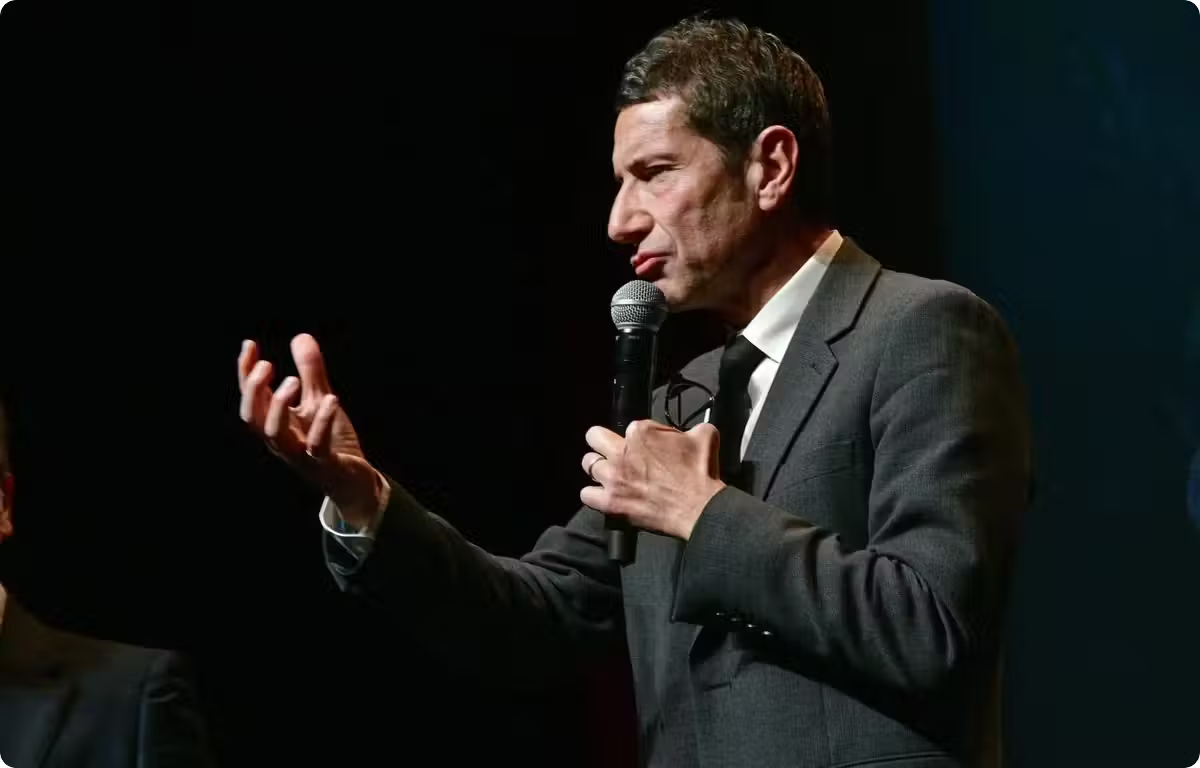
If David Lisnard of Nouvelle Énergie were to emerge as the sole representative of the center-right, his poll numbers drop to 14%. In such a scenario, Raphaël Glucksmann of Place Publique is projected to qualify for the second round with 18% of the vote, edging out Jean-Luc Mélenchon, who would stand at 17%. Other tested scenarios involving a single candidate for the Republicans, such as Bruno Retailleau (14%), or for Renaissance, Gabriel Attal (13%), suggest that even with shifts in the center-right front, a runoff between Marine Le Pen and Jean-Luc Mélenchon remains a likely outcome. These projections highlight the fragmented nature of the opposition to the far-right and the central role Mélenchon plays as a counterweight. [1]
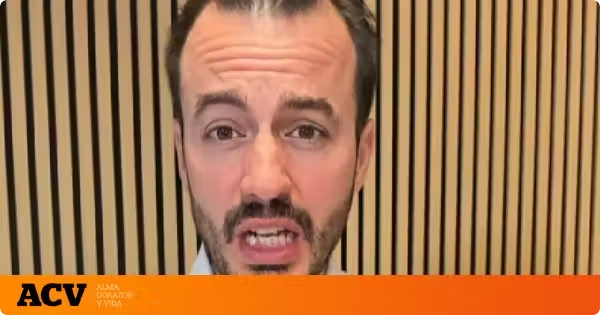
Amidst these polling fluctuations, intra-party conflicts are reshaping the green and left-wing alliances. Senator and former ecological candidate Yannick Jadot announced on November 19 that he is leaving the political movement Les Écologistes. His departure follows comments by party leader Marine Tondelier, who indicated willingness to explore a coalition around Jean-Luc Mélenchon’s candidacy. Jadot, now aligned with Raphaël Glucksmann, characterized Tondelier’s stance as a 'betrayal,' accusing her of turning the party’s back on its European commitments to embrace Mélenchon. He further criticized Mélenchon’s foreign policy approach regarding Russia and Ukraine, stating, 'It looks like they chose Putin rather than Ukraine.' [1]
Tensions within the left and center-left coalitions are also evident in the statements of other prominent figures. Gabriel Attal, currently polling around 4%, admitted on France 2 that he has not yet convinced voters of his capacity for change due to his past role as Prime Minister under Emmanuel Macron. Despite this, he emphasized his goal to prevent a second-round duel between LFI and the National Rally, noting that polls indicate his withdrawal would not alter this probable outcome. Meanwhile, Senate President Gérard Larcher has formally requested that the Prime Minister advance the election date. Larcher argues that holding the second round on May 2 is incompatible with the traditional May Day parades, where unions and politicians traditionally voice their demands, potentially complicating the electoral truce. [1]
Former President François Hollande also weighed in on the electoral prospects during an interview on LCI on November 19. Addressing the possibility of a second-round matchup between Marine Le Pen and Jean-Luc Mélenchon, Hollande stated that such a choice should be avoided, as it would not yield a positive result. He hinted that a solution might emerge by February, a timeframe that aligns with internal deadlines for coalition formations and primary processes. These developments underscore the fluidity of the 2027 campaign, where polling leads shift with every political maneuver, and strategic alliances remain fragile and subject to rapid realignment. [1]
As the story develops
Update
Franco-Israeli Voters Shift Preference to Marine Le Pen Amid Antisemitism Concerns
A significant shift in voter sentiment has emerged among the Franco-Israeli community, with many expressing a preference for Marine Le Pen over Jean-Luc Mélenchon. Alexandre Bensoussan, a Franco-Israeli lawyer representing Benjamin Netanyahu and Yoav Gallant at the International Criminal Court, stated he would not hesitate to vote against Mélenchon, viewing the left-wing leader as a threat to French Jews and French culture. A November study by the American Jewish Committee (AJC) and Ifop found that 69% of French Jews would leave the country if Mélenchon were elected, compared to 31% if Marine Le Pen won. Additionally, 86% of French Jews believe Mélenchon contributes to rising antisemitism, casting doubt on his appeal among this demographic. This sentiment is echoed by other Franco-Israeli voters like Rivka* and Jean-Maurice Cohen, who view the choice between the National Rally (RN) and La France Insoumise (LFI) as choosing between two evils. While acknowledging the RN's controversial history with antisemitism, some voters see Bardella's recent distancing from his past and alignment with Israeli interests as a protective factor against perceived Islamist threats, encapsulated by the phrase: 'The enemy of my enemy is my friend.' [2] [3]
- Categories:
- Politics
- Entities:
Sources
- 20 Minutes Présidentielle 2027 : Dans ces deux scénarios, Jean-Luc Mélenchon passerait troisième, selon un sondage
- 20 Minutes Présidentielle 2027 : « Il n’y a pas photo »… Pourquoi les Franco-Israéliens préfèrent voter Le Pen que Mélenchon
- 20 Minutes Présidentielle 2027 : « Il n’y a pas photo »… Pourquoi les Franco-Israéliens préfèrent voter Le Pen que Mélenchon