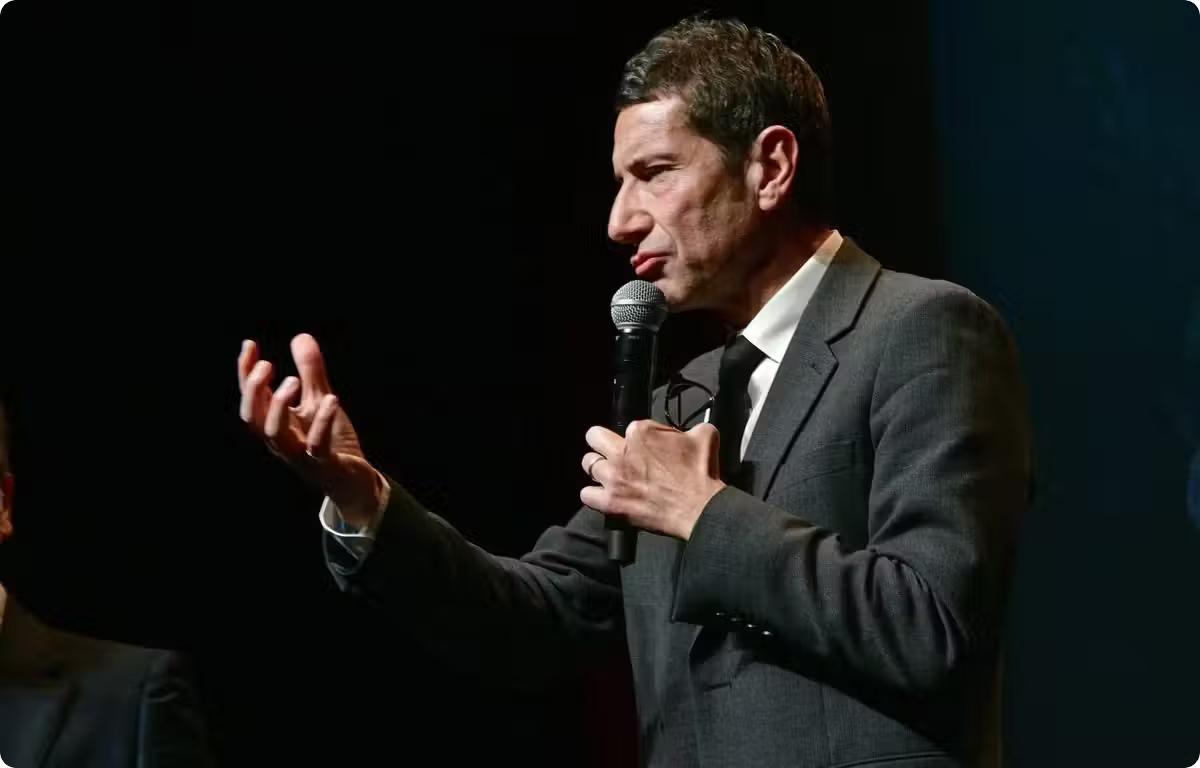
The prospects for a unified center-right and right-wing primary in the 2027 French presidential election are increasingly dim, as fundamental disagreements surface between key contenders David Lisnard and Edouard Philippe. Lisnard, the mayor of Cannes and leader of the Nouvelle Énergie party, has redefined his stance on the primary, characterizing it not as a mechanism for consensus but as a strategic tool to eliminate 'Macronist' candidates and those who fracture the vote prior to the first round. His recent declarations suggest that while he initially championed the primary, his current position makes its realization highly improbable due to conditions that most rivals find unacceptable. [2] [3]
In an interview with Le Journal du Dimanche, Lisnard articulated a strategy that diverges sharply from the traditional expectations of a centrist coalition. He stated, 'I see this primary as the pre-first round of the presidential election. It is about eliminating the Macronists and the candidates who disperse votes before the first round.' He further clarified that he would not automatically endorse the primary's winner, emphasizing his desire to avoid political compromise with figures he might not govern alongside. Specifically, he noted, 'I will not ask Mr. Attal to support me if I win,' distancing himself from Gabriel Attal, a prominent figure in President Macron's camp. [2] [3]
Lisnard’s rapprochement with Bruno Retailleau, the president of The Republicans (Les Républicains), highlights a potential alliance within the right wing. He expressed optimism about working with Retailleau, noting their ideological proximity. However, his approach to broader coalition-building remains contentious. Suspected of no longer genuinely wishing for the primary given his recent surge in poll numbers, Lisnard has set conditions that effectively block widespread participation. These include the mandatory involvement of Edouard Philippe, who has categorically refused to join, and Eric Zemmour, whose presence would be a 'casus belli' for Attal and likely derail any Macronist support for the primary process. [2] [3]
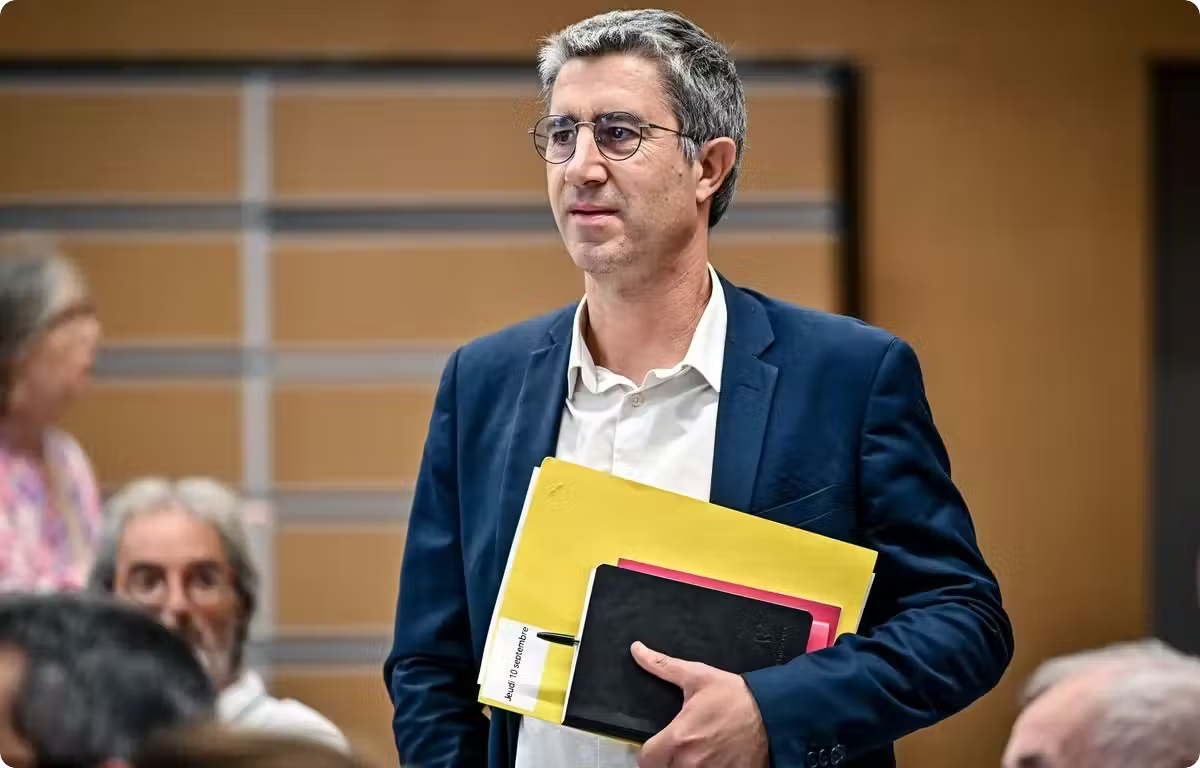
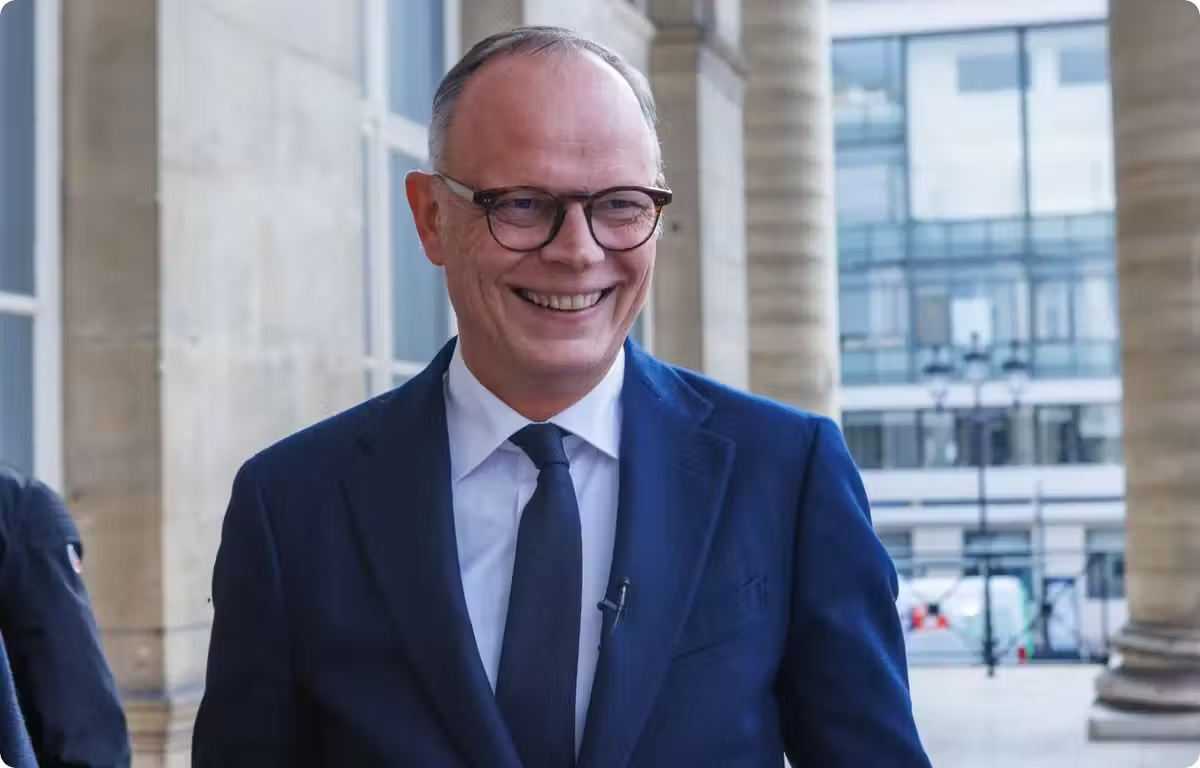
Edouard Philippe, the former Prime Minister and leader of Horizons, has similarly signaled his disengagement from a primary framework that he views as flawed and manipulated. During a campaign event in Paris where he presented elements of his presidential program, Philippe dismissed the urgency of a primary, arguing that the current political landscape lacks the clarity needed for a fair selection process. His spokesperson, Maël de Calan, remarked on the inconsistent messaging from Lisnard’s camp, stating, 'There is supposedly an agreement, then a denial... They are not actually in agreement on the perimeter, frankly we do not understand anything. Each plays his own personal music.' [1]
Philippe’s aides view the primary debate largely as a pretext for struggling candidates to maintain campaign momentum. Marie Guévenoux, Philippe’s campaign director, noted, 'I get the impression that this primary is seriously stalling. It is in reality just an excuse to allow some struggling candidates to continue campaigning. It may be interesting for them themselves, but not for the country.' Philippe, seeking to distinguish himself from the Macronist legacy despite his past tenure in the government, fears that participating in a primary would expose him to attacks regarding his record on immigration, debt, and the Yellow Vests protests, which could alienate voters wary of establishment politics. [1]
The risk of fragmentation is palpable among centrist and right-wing supporters. Prisca Thevenot, a deputy close to Attal, criticized the reluctance to engage in a transparent voting process, stating, 'How can one be afraid of a primary when presenting oneself for a presidency? We must stop finding false excuses; no one has momentum currently. Let us organize a transparent process by having our voters vote.' Meanwhile, the potential for a radically conservative candidate to triumph in a primary looms large. An insider from Horizons warned, 'The primary always gives a premium to the more radical,' referencing how Alain Juppé was defeated by François Fillon in the 2017 right-wing primary. [1]
Despite the stalemate, gestures toward unity persist. Gérard Larcher, the president of the Senate and leader of The Republicans, has attempted to broker a meeting between the four main candidates of the right and center to establish a method of dispute resolution. While Larcher’s initiative remains vague, Philippe has indicated a willingness to participate, contrasting with his previous hardline stance. However, Lisnard’s insistence on including far-right figures like Eric Zemmour and Nicolas Dupont-Aignan continues to alienate moderate allies. Lisnard argues that Reconquête! should be allowed to compete if it respects access conditions, though he denies any economic alignment with Marine Le Pen, calling her party's policies 'antipodal' to his liberal economic views. [1] [2]
- Categories:
- Politics
- Entities:
Sources
- 20 Minutes Présidentielle 2027 : « La primaire patine sérieusement »... Et si Edouard Philippe avait raison de tracer sa route ?
- 20 Minutes Présidentielle 2027 : Lisnard tend la main à Retailleau et tourne le dos à Attal
- lemonde.fr Présidentielle 2027 : David Lisnard voit dans une primaire de la droite et du centre « un moyen d’exclure les macronistes »