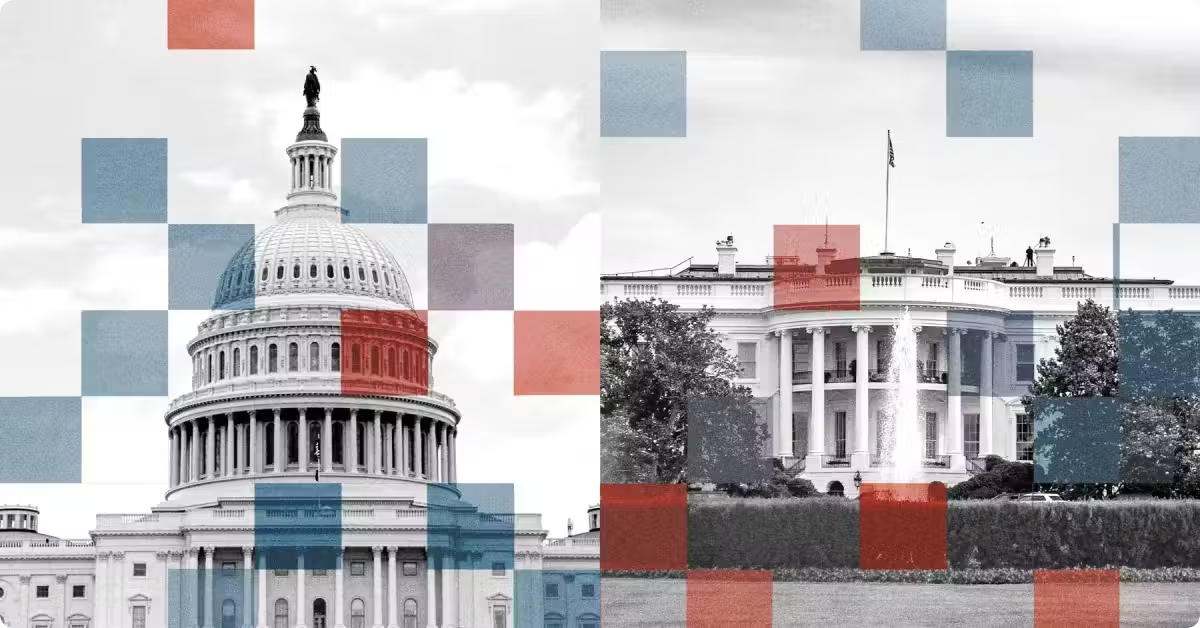
The 2024 United States elections revealed a notable pattern of divergence between presidential and Senate-level results across various states, offering fresh insights into voter priorities and political preferences. In multiple states, voters cast their ballots for presidential candidates while simultaneously supporting Senate candidates from opposing parties. This phenomenon highlights the increasing complexity of the American electoral system, where local and national races often reflect different political dynamics and issues. [1]
One significant example of this split-ticket voting occurred in states where the presidential winner did not align with the Senate election outcome. Voters in these regions demonstrated a clear distinction between their preferences for executive leadership versus legislative representation. Such patterns are not entirely new but become more pronounced during times of heightened political polarization or when specific local issues take precedence over national narratives. [1]
The impact of this electoral split can be felt in the balance of power within the Senate, potentially leading to a divided government if the outcomes result in opposing majorities. Analysts suggest that understanding these discrepancies is crucial for predicting future political trends and preparing for potential legislative gridlock or cooperation. The ability of candidates to appeal to diverse voter bases within the same state remains a critical factor in navigating such complex electoral landscapes. [1]
- Categories:
- Politics