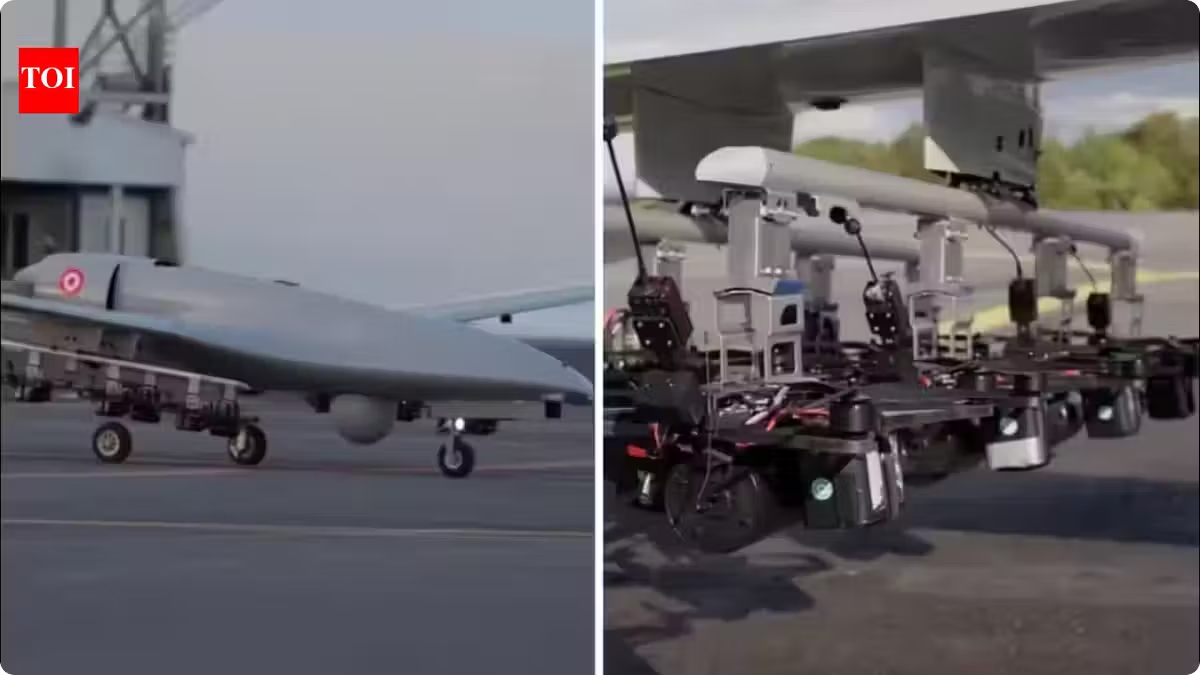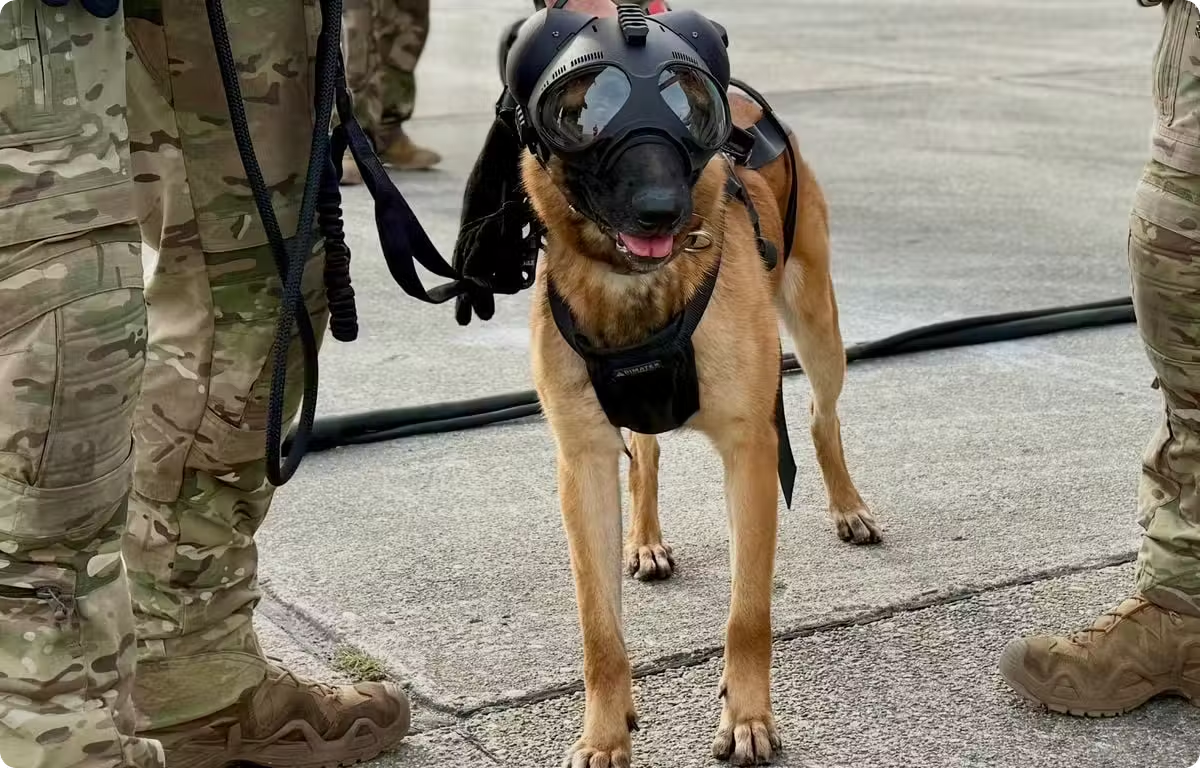
NATO has officially launched an online store dedicated to the rapid procurement of military technology, targeted at government authorities. The platform allows member states to browse the offer and prices and initiate direct procurement procedures, bypassing the lengthy and complex process of traditional tenders. This mechanism aims to significantly reduce the time required to procure critical equipment, which NATO previously estimated at between 9 and 12 months. [1]
The NATO platform initially features 16 anti-drone solutions from five manufacturers in the United States, the United Kingdom, Germany, and France. The system offers various options, ranging from signal jamming to physical interception using dedicated drones, machine guns, or missiles. Equipment costs range from €1.6 million to €25 million, with states having the option to purchase or lease the system for a limited period. [1]
Cristian Coman, senior researcher at the NATO Communications and Information Agency, stated that a budget of €3.1 million has already been allocated for the project, allowing states to test capabilities before signing final contracts. Major advantages of the platform include reduced delivery times, which can be as short as 3 to 6 months, and the fact that all products have been rigorously evaluated. An essential criterion was the use of equipment in real operations, including in the conflict in Ukraine. [1]
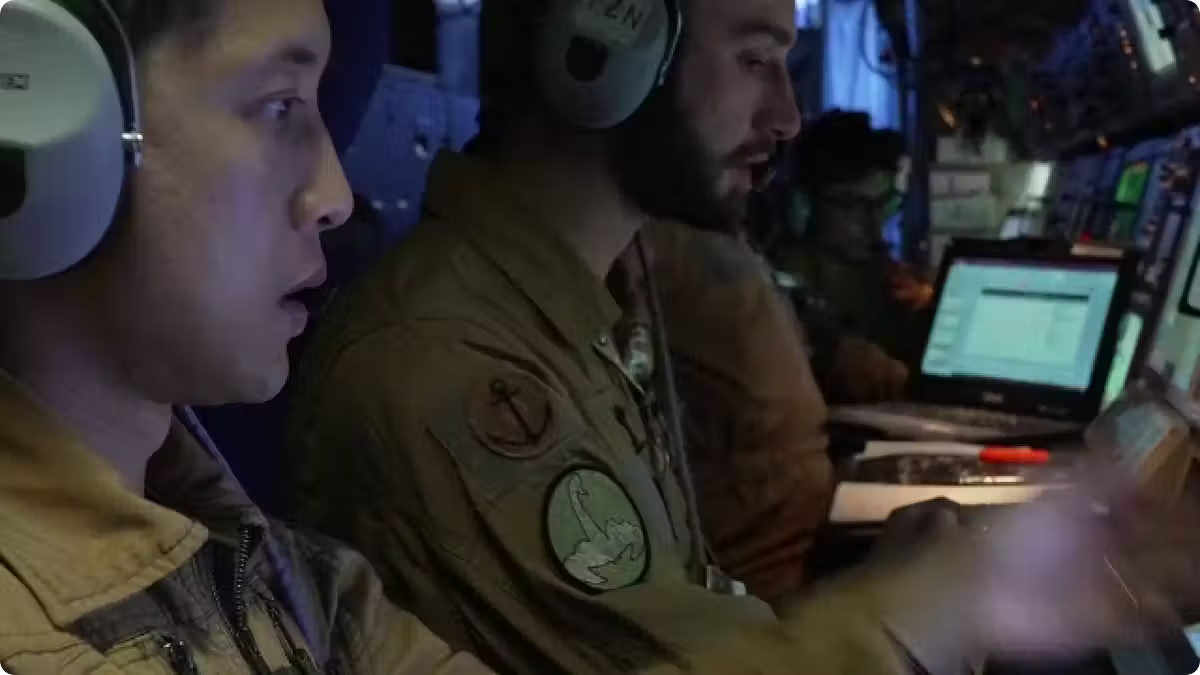
Regarding maritime security in the Black Sea, the most advanced French surveillance aircraft, the Atlantique 2, is stationed at Air Base 900 in Mihail Kogălniceanu. Described as a flying command center, the aircraft can identify naval mines, drones, and submarines, with an autonomy of up to 11 hours and the ability to operate at extreme altitudes. The mission, originally planned to last three weeks, has been extended. [1]
During its presence in the Romanian zone, the French aircraft has already conducted operational interventions. The plane's commander reported detecting three drones in Bulgaria’s Exclusive Economic Zone; the response involved alerting commercial vessels in the area and contributing to crew safety. The Atlantique 2 is equipped with panoramic cameras, advanced radars, and specialized acoustic sensors. [1]
As the story develops
Update
NATO Launches Platform for Rapid Acquisition of Anti-Drone Systems
NATO has officially launched an online store dedicated to the rapid procurement of military technology, a tool intended to ensure member states have rapid access to critical equipment. The platform is designed for the 32 member states and allows them to browse the offer and prices and initiate direct procurement procedures, bypassing complex bidding processes. This method aims to reduce procurement time, previously estimated at between 9 and 12 months, down to a period of 3-6 months. [2]
Initially, the catalog includes 16 anti-drone solutions from five manufacturers in the United States, the United Kingdom, Germany, and France. Equipment costs range from €1.6 million to €25 million, with states able to choose between purchase and leasing. [2]
Update
NATO Launches E-Commerce Platform for Anti-Drone Systems
NATO announced on Thursday the launch of a joint platform to allow its 32 member states to equip themselves more quickly and efficiently with anti-drone capabilities, following an increase in drone incidents across Europe. The platform operates on an 'e-commerce' model, offering a simple procurement system for anti-drone assets. The idea is to propose an experience similar to online shopping, simplifying the procedure for member countries, explained Claudio Palestini, Head of the NATO Innovation Division. NATO relied on its internal expertise to issue calls for proposals, selecting the most effective and cost-efficient equipment before presenting it to members. Selection involved rigorous product evaluation to ensure they meet the Alliance’s current operational needs. [3]
Out of 80 proposals received, 16 contracts were signed with five defense companies: Alta Ares (France), Quantum Systems (Germany), Northrop Grumman and Axon (USA), as well as OSL Technology (United Kingdom). These firms represent the geographic and technological diversity of the solutions made available. Products from these five companies, selected after a few months of evaluation, are now available to the 32 NATO member states for direct purchase or long-term leasing. The equipment is intended for border protection or other strategic locations, offering various solutions: electronic jamming, use of interceptor drones, or even other types of armament, including artillery. The cost of each capability ranges from €1.6 million to €25 million, according to NATO specifications. At the The Hague Summit in 2025, NATO states committed to allocating at least $40 billion (approximately €37 billion) over five years to bolster their anti-drone capabilities. Lithuania, Latvia, and Estonia regularly face drone intrusions on their territories, while Poland and Romania have also been victims of such intrusions, motivating the need for accelerated procurement. [3]
Update
NATO Launches E-Commerce Platform for Rapid Anti-Drone System Procurement
NATO has launched a common 'e-commerce' platform allowing its 32 member states to rapidly acquire or lease anti-drone defense systems. Initiated by Claudio Palestini, Head of the NATO Innovation Division, as a simple and efficient solution, it responds to the increasing frequency of drone incidents in Europe and the strengthening of financial commitments made at the 2025 The Hague Summit. Equipment selection included rigorous evaluation, starting from 80 proposals and resulting in 16 contracts signed with five defense companies from four countries. Available products, priced between €1.6 million and €25 million, are designed to protect borders and strategic targets, including electronic jamming solutions, interceptor drones, and conventional weapons. [4]
Update
NATO's Online Store for Military Equipment
Claudio Palestini, Head of the NATO Innovation Division, explained that the platform operates on an 'e-commerce' model, proposing an experience similar to online shopping through a simple procurement system. NATO relied on its internal expertise to issue calls for proposals, selecting the most effective and cost-efficient equipment before presenting it to members. The selection process began with 80 proposals received, resulting in the signing of 16 contracts with five defense companies: Alta Ares (France), Quantum Systems (Germany), Northrop Grumman and Axon (USA), as well as OSL Technology (United Kingdom). Products from these five companies, selected after a few months of evaluation, are now available to the 32 NATO member states for direct purchase or long-term leasing. The equipment, intended to protect borders or other strategic locations, offers various solutions: electronic jamming, use of interceptor drones, or even other types of armament, including artillery. The cost of each capability ranges from €1.6 million to €25 million, according to NATO specifications. [5]
At the 2025 The Hague Summit, NATO states committed to allocating at least $40 billion (approximately €37 billion) over five years to consolidate their anti-drone capabilities. The urgent need for procurement is driven by regular incidents: Lithuania, Latvia, and Estonia regularly face drone intrusions on their territories, while Poland and Romania have also been victims of such intrusions. [5]
- Categories:
- Military
- Entities:
Sources
- stirileprotv.ro NATO a lansat un magazin online de tehnică militară destinat guvernelor. Echipamentele costă până la 25 de milioane de euro
- AGERPRES NATO a lansat o platformă de tip 'e-commerce' pentru achiziția de capacități antidronă dee către statele membre
- Digi24 NATO a lansat o platformă de tip e-commerce, unde țările membre pot cumpăra sisteme antidronă. Cât costă echipamentele
- Bursa NATO a lansat o platformă comună pentru achiziţia de echipamente antidrone de către statele membre
- Economica.net NATO a lansat o platformă comună „e-commerce” care le permite statelor membre să se doteze rapid cu sisteme antidrone