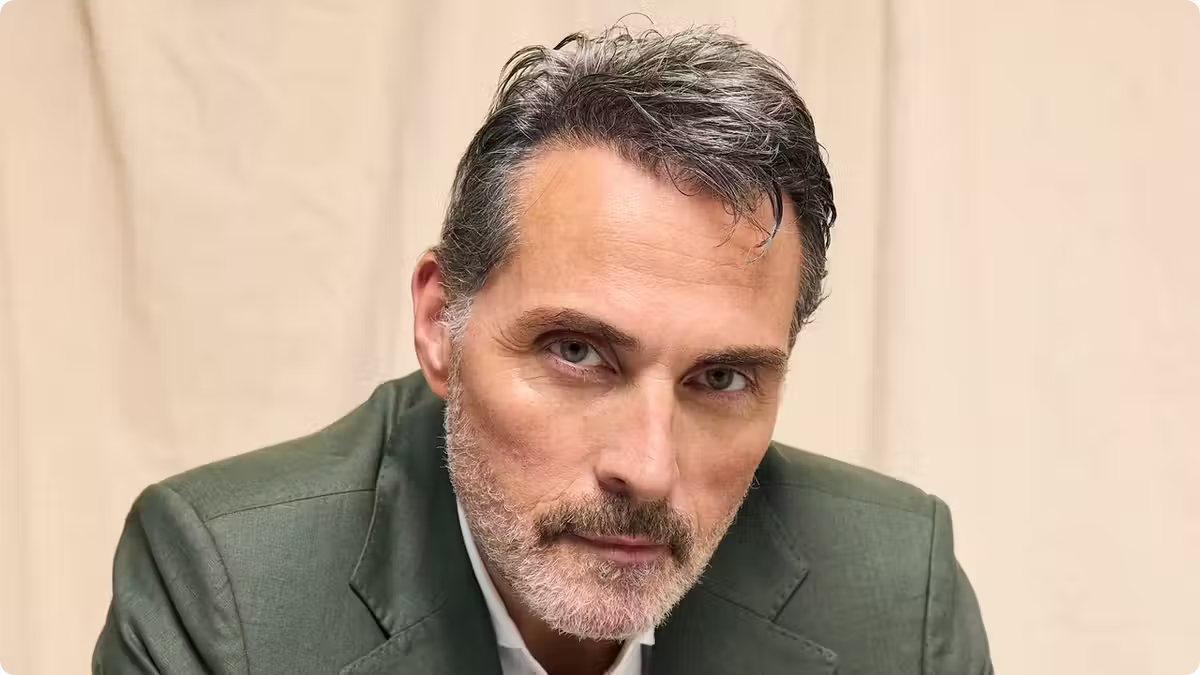
Rufus Sewell is having an exceptionally busy period across television and streaming, as noted in a recent GQ interview about his current and upcoming projects. [1]
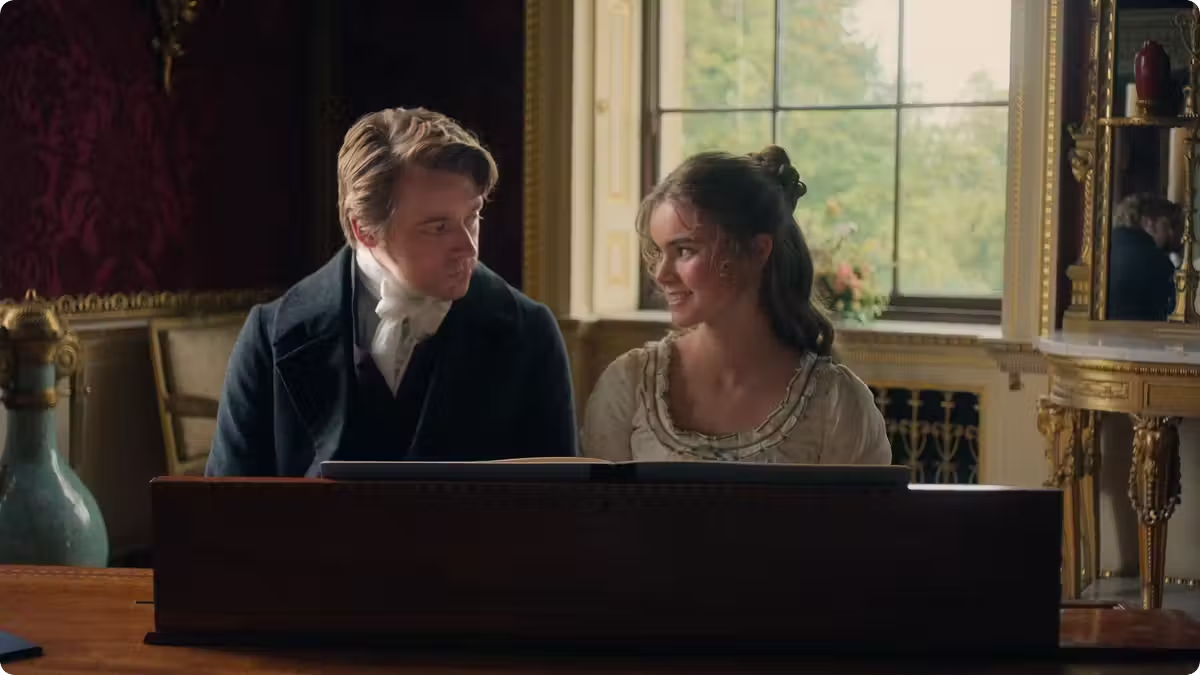
On Netflix's The Diplomat, Sewell plays Vice President Hal Wyler, a morally ambiguous figure married to Ambassador Kate Wyler, while he also appears as the deeply flawed Mr. Bennet in the streamer's upcoming Pride and Prejudice adaptation, a role set two centuries earlier focused on familial and social pressures. [1]
The GQ conversation covered Sewell’s approach to blending high silliness with high stakes, and how bodily functions contribute to character specificity. [1]
In discussing the season finale of The Diplomat, Sewell explained his interpretation of Hal’s mindset after leaving the G7 without his summit badge, addressing fan speculation about whether Hal quits as vice president or seeks to invoke the 25th Amendment. [1]
Sewell described exploring how much Hal is aware of concerns about President Grace Penn’s behavior, weighing access against complicity, and noted the difficulty of portraying Hal’s unctuousness while feeling the character was failing. [1]
He observed that Hal overestimated his ability to steer Grace Penn, and that reading the final episode script where Hal walks out gave him courage to lean into the character going wrong before seemingly correcting himself. [1]
Sewell mentioned that the production shot a speech for the summit exit to help gauge the scene’s direction, and that the outcome may change in season five, which he is eager to begin filming. [1]
The series continues to center Hal and Kate’s relationship, with attention to the everyday physical intimacy built over many years. [1]
Sewell characterized The Diplomat as a romantic sex comedy with extremely high stakes, reminiscent of 1940s screwball divorce comedies where characters remain interlinked despite separation. [1]
He also drew parallels to 1970s French films that integrate mundane bodily moments into arguments, arguing that such details make characters feel real. [1]
Sewell highlighted the show’s focus on quotidian details like pastries, crumbs on the bed and political scheming as part of the couple’s foreplay and intimacy. [1]
He cited a specific moment where Kate shows Hal a bald spot from nervous hair plucking, noting the vulnerability and gentleness that grounds their realism. [1]
Sewell emphasized that scripts lean into practical human concerns such as scratching an itch, smelling, or needing the toilet, which he finds refreshing for realism. [1]
The interview also touched on Hal’s extreme flirtatiousness as a tool in his interactions. [1]
Sewell said Hal will flirt with anyone, describing it as a natural engagement style not necessarily sexual. [1]
He acknowledged that this trait becomes problematic when Kate tries to explain it to President Penn and it goes sideways. [1]
Sewell suggested Hal’s flirtatiousness is debated because much of what the audience understands comes via Kate’s descriptions, and that seasons three and four explore Kate realizing traits she attributed to Hal were also present in her own behavior as ambassador. [1]
Sewell discussed the second episode’s largely two-hander format with Keri Russell, which required long takes and early script access to gestate performances across dispersed locations. [1]
He explained that with long takes the actors move in and out of relaxation and tension, similar to theater, and that the process produced surprising moments. [1]
Sewell contrasted Hal’s desire to stay in the room to influence outcomes with Mr. Bennet’s preference to remain in his study, noting Mr. Bennet’s strategy backfires. [1]
He said the current iteration emphasizes Mr. Bennet recognizing his failures toward his daughters, including negligence for an easy life and financial mismanagement related to spending on bonnets. [1]
Sewell noted that Mr. Bennet is regret-forward and accepts that decisions as head of the family led to the crisis when Lydia runs off with Wickham. [1]
He described the role as a gift because Mr. Bennet feels humbled by the consequences of staying in his study and avoiding responsibility. [1]
Sewell appreciated showrunner Dolly Alderton’s choice to bring forward tenderness that can continue between Mr. and Mrs. Bennet. [1]
He argued the book supports a lingering love and shared humor between the Bennets, with a spark remaining. [1]
Sewell recalled working with Olivia Colman on The Father and enjoyed their collaboration again on Pride and Prejudice, highlighting the treat of their scenes together. [1]
- Categories:
- Media