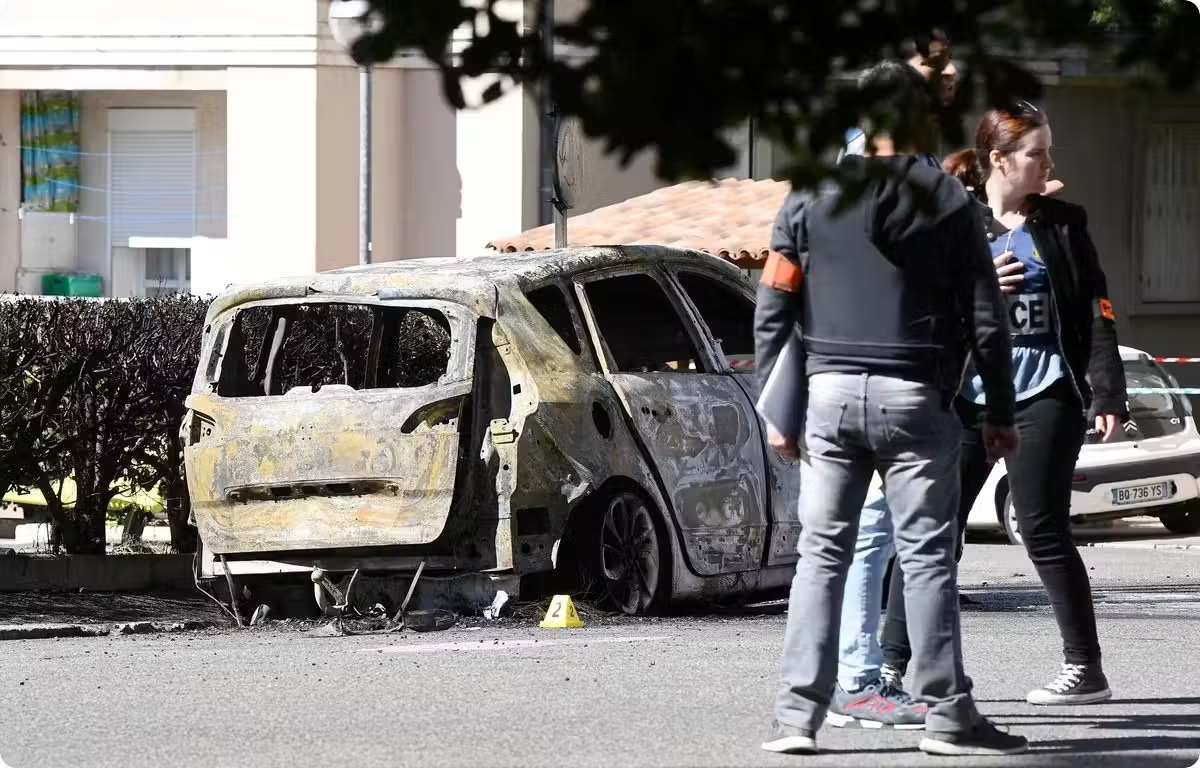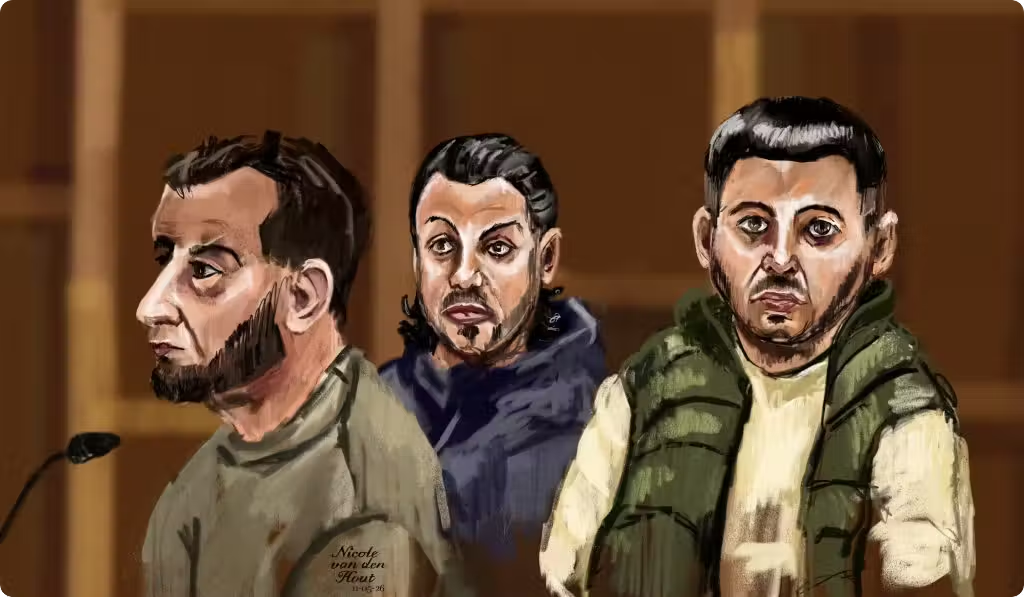
In The Hague, the trial concerning the devastating explosion at the Tarwekamp continued, with victims and relatives taking the stand to share their stories. The proceedings focused on the personal impact of the tragedy, which claimed six lives, including that of Vikel, a 44-year-old Greek national who died in his new home in The Hague. His family had been due to join him in the Netherlands ten days after the explosion. [1]
On Tuesday, nineteen victims and survivors of the blast spoke in the District Court of The Hague about the day the explosion occurred. The victims included family members, friends, and the owner of the bridal shop that was the intended target of the attack. Their testimonies highlighted the widespread emotional and physical toll of the incident, which sent shockwaves through the community and led to stringent security measures and legal repercussions. [1]
The trial marked the third day of hearings, with the presiding judge acknowledging the immense difficulty and emotional weight of the sessions ahead. The judge expressed understanding for the distress experienced by those testifying, noting that many victims and relatives had looked forward to this opportunity to speak while also fearing the resurgence of traumatic memories associated with the catastrophic event. [1]
During her testimony, Vikel’s wife described the difficulty of putting their loss into words in the time allotted. She said they had known each other for twenty years. The narrative of the day remains vivid and painful for those left behind. [1]
Vikel’s wife stated that she struggled to find the courage and words to convey their story, feeling as though she was trapped in a nightmare or a cruel joke. She emphasized the surreal nature of the events, highlighting the sudden shift from normalcy to tragedy. Her testimony underscored the personal and familial dimensions of the crime, contrasting sharply with the technical and legal aspects of the trial. [1]
The trial revealed gruesome details of the explosion, with victims describing how the horrific images and facts were permanently etched into their minds and souls. One survivor, now a widow, stated that these memories would haunt her for the rest of her life, serving as a constant reminder of the truth and the magnitude of the loss. The psychological impact was evident in the raw emotion displayed by those who took the stand. [1]
Four defendants are facing trial, including Moshtag B., 35, who is alleged to be the mastermind behind the explosion. According to prosecutors, the motive was revenge against an ex-girlfriend, targeting her bridal shop. The attack resulted in massive destruction and loss of life, far exceeding the initial intent, demonstrating the lethal potential of the weapons used. [1]
A relative of one of the victims addressed the court, emphasizing the irreversible damage inflicted on the families involved. She asserted that the perpetrators had stolen the future of her loved one, including the childhood of his children and the shared dreams of the family. Her plea for justice was rooted in the need for accountability and the restoration of a sense of safety and normalcy. [1]
A woman widowed by the explosion explicitly requested life imprisonment for the defendants, distinguishing her plea for justice from a desire for revenge. She stated that she and her children were condemned to live with the consequences of the crime indefinitely. The demand for the maximum penalty reflected the severity of the crime and the lasting trauma endured by the victims and their relatives. [1]
The brother of a victim, speaking on behalf of his parents, echoed the call for life sentences. He argued that peace and security would only return if the court imposed the harshest possible punishments for each life taken and destroyed. His statement reinforced the collective grief and the urgent need for the legal system to reflect the gravity of the offenses through appropriate sentencing. [1]
An attorney read a statement from the eldest son of one of the deceased, expressing confusion and sorrow over the senselessness of the attack. He questioned whether the perpetrators understood the extent of the damage they would cause, highlighting the disconnect between the act of violence and its tragic consequences. This perspective added another layer to the human cost of the explosion. [1]
Wednesday’s sessions are expected to feature additional testimonies, including that of the owner of the bridal shop targeted in the explosion. Her business was the primary object of the attackers' rage, and her account will provide further insight into the immediate aftermath and the long-term impact on local enterprises and the community. [1]
The ongoing trial highlights the complex interplay between personal grief and legal accountability. As more victims prepare to speak, the court is confronted with the full scale of the tragedy's impact, ranging from immediate fatalities to enduring psychological scars. The proceedings serve as a platform for victims to assert their experiences and demand recognition and restitution. [1]
- Categories:
- Justice