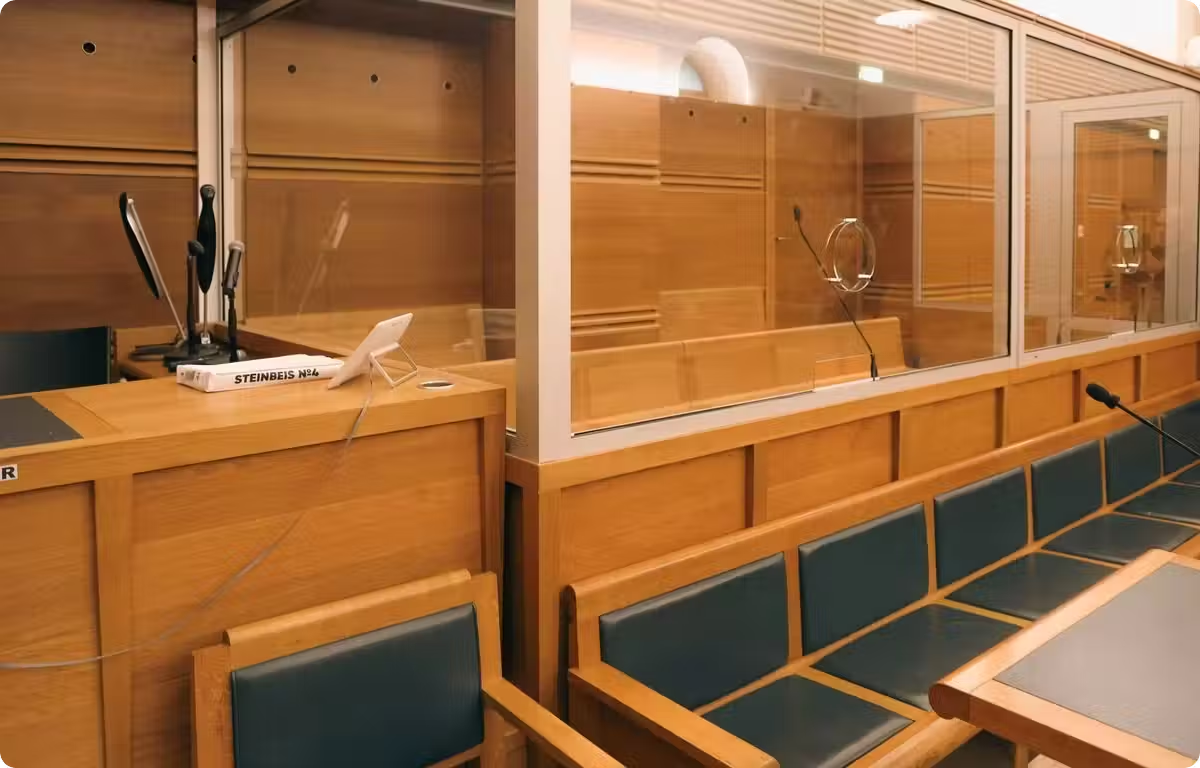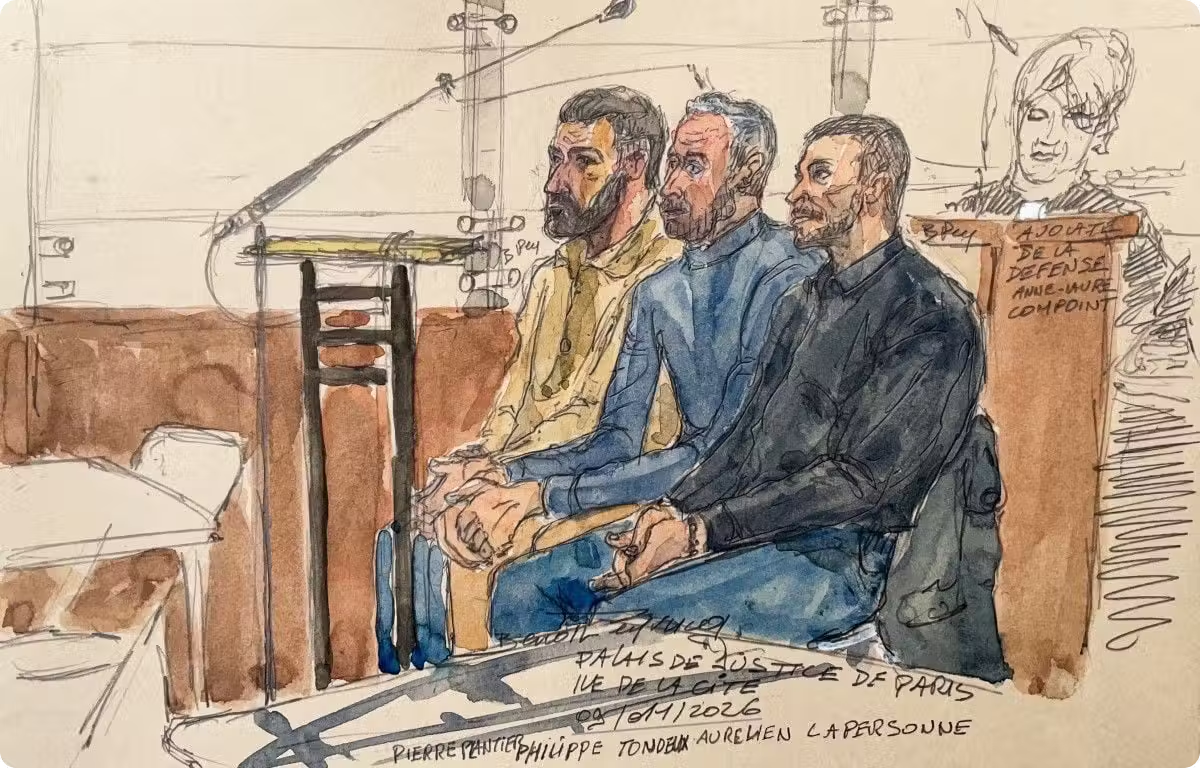
The trial of three French police officers accused of brutally beating music producer Michel Zecler entered a critical phase on Tuesday, November 10, 2026, at the Criminal Court of Paris. Following the initial days dedicated to psychological evaluations of the defendants—where it was established that none of the three officers had previous disciplinary records or signs of instability—the proceedings shifted to the core of the incident. Michel Zecler took the stand to confront his accusers, describing an experience so traumatic that he believed he was dying, and offering a narrative that directly contradicted the official police reports filed immediately after the assault. [2]
The central dispute during the hearing revolved around the sequence of events on November 21, 2020. The three officers—Aurélien L., Philippe T., and Pierre P.—had claimed they were attacked or threatened, justifying their response. However, Chief Inspector Philippe from the General Inspectorate of the National Police (IGPN) dismantled these claims during testimony. Citing video surveillance footage played in court, the inspector confirmed that Michel Zecler struck no blows and did not physically resist the officers entering his recording studio. Instead, the footage showed that Aurélien L., who was not wearing a visible police armband and was dressed in civilian clothes, grabbed Zecler to pull him out, initiating the physical altercation. It was at this point that the other two officers joined in, resulting in what the IGPN described as a disproportionate use of force. [2]
During the hearing, the General Advocate questioned whether the 'smell of cannabis' reported by the officers could constitute a flagrant offense justifying the intrusion into the private studio. The IGPN investigator dismissed this justification as 'a bit light,' noting that even if there was evidence of drug possession, it would not authorize a forcible entry into a private dwelling without further legal basis. Furthermore, the investigators clarified that Zecler’s silence and lack of physical resistance did not amount to rebellion; true rebellion requires active reaction, not passive refusal. The video evidence clearly showed Zecler attempting to keep the door closed until others in the studio eventually opened it under pressure, by which time the officers had already inflicted significant violence. [2]
Zecler’s testimony was emotionally charged and detailed the specific injuries he sustained. He stated that he heard dozens of kicks, punches, baton strikes, and even headbutts directed at his face. He recounted hearing an officer shout that he was treating him like a 'dirty n***er' ('sale nègre') and threatening to kill him. Although the prosecution has not yet classified the case with racial aggravating circumstances due to insufficient material evidence at this stage, Zecler emphasized that the verbal abuse was real and part of the terror he experienced. He told the court, 'I know what I heard from the Judge. They called me a dirty n***er, they said they were going to kill me. When I hear them say they were afraid... they weren't afraid. I felt their ease. They went in and lynched me.' [2] [1]
The defense strategy, previously hinted at in the personality profiles of the officers, has relied on portraying the defendants as exemplary professionals. Pierre P., Aurélien L., and Philippe T. were depicted as having impeccable records, with colleagues describing them as sociable, calm, and respectful. However, the IGPN report noted that while the initial leg kicks might be seen as professional technique, the subsequent barrage of blows was not taught in police training. The court was shown that the vast majority of the blows were delivered before any third parties arrived to intervene, contradicting the officers' later claim that panic set in when people shouted at them. [1] [2]
A contentious aspect of the trial involves Aurélien L., one of the accused, whose phone revealed racist messages, including a montage of George Floyd with the caption 'the sound of a tire deflating.' During his testimony, Aurélien L. expressed deep regret for the messages, calling them misplaced jokes made in a difficult profession, but firmly denied being racist. He argued that his upbringing and past educational work against racism defined his true character. Despite these personal explanations, the presence of such messages has raised serious questions among observers and the court regarding the potential racist motivation behind the severity of the assault, a perspective supported by Michel Zecler's intimate conviction that 'if I had been white, things would not have happened this way.' [1]
- Categories:
- Justice
- Entities: