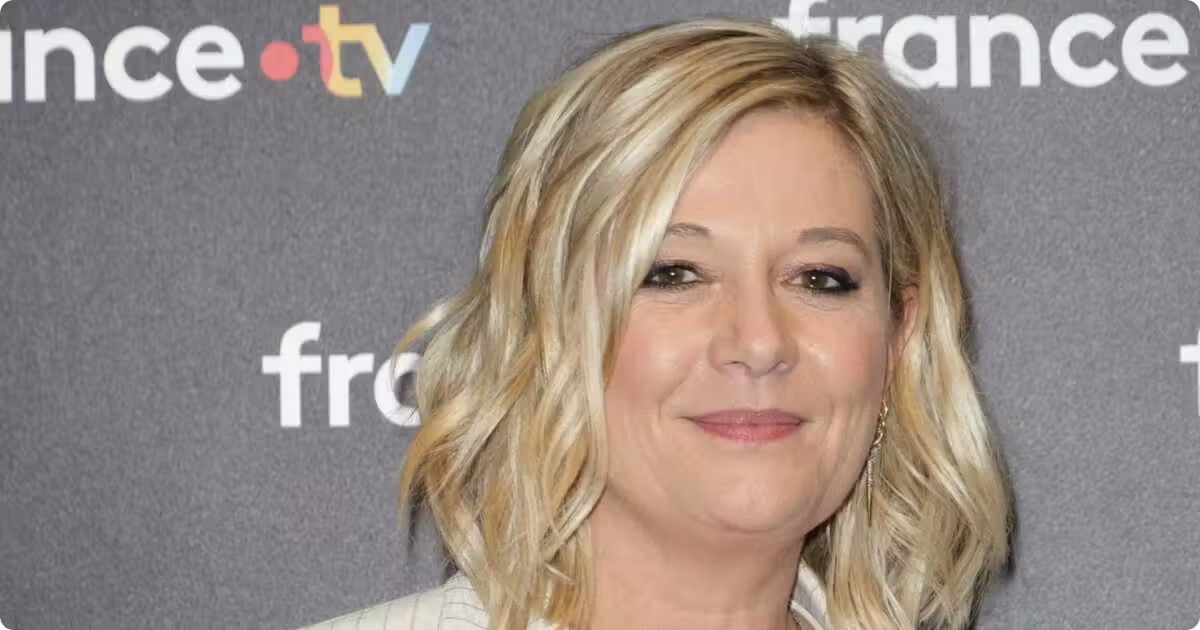
Flavie Flament had previously testified anonymously. In a Mediapart investigation published on 18 March 2026, the presenter, under a pseudonym, was one of eight women accusing Patrick Bruel of sexual violence. In May 2026, Flavie Flament announced she had filed a complaint against Patrick Bruel for rape, alleging the events occurred when she was 16 and he was 32. The Patrick Bruel case is still ongoing. The singer is accused of rape, attempted rape, sexual assault and sexual harassment by around thirty women. [1] [3] [2]
In May, the former Télématin presenter decided to reveal her identity, stating she was filing a complaint against the singer for rape under chemical submission in 1991, when she was a minor. Although she had initially testified anonymously, her public statement marked a turning point in the case surrounding the singer, which includes accusations of rape, attempted rape, sexual assault and sexual harassment from around thirty women. If the case began to gain momentum in spring, it was in May 2026 that Flavie Flament came out of silence, publicly stating she was filing a complaint against the 67-year-old singer for rape. The alleged facts would have occurred when she was only 16, in 1991. [1] [3] [2]
Since then, numerous women have followed her initiative and around thirty complaints have been filed against the 67-year-old artist. The presenter revisits her testimony in a book titled La Parole (Flammarion), which addresses the difficulties women face when testifying against sexual violence. If she is obviously not the only plaintiff, she has become a strong figure. [1] [3] [2]
In an interview with Le Parisien on Sunday 15 November 2026, ahead of the release of her next book La Parole (Flammarion editions) on 18 November, the host of Le Mag de la santé on France 2 returns to her choice to move from anonymity to public speech. In an interview published on Sunday 15 November with Le Parisien, Flavie Flament returned to her decision to testify publicly against Patrick Bruel. “If I could have avoided speaking publicly, I would have done so. I had no choice,” says the presenter who now hosts Le Mag de la Santé. This Wednesday 18 November 2026, the 52-year-old presenter releases a book titled “La Parole”, ten years after “La Consolation”. In the latter, she revisited the rape she was a victim of by photographer David Hamilton. Her new work is dedicated to the voices of victims of sexual violence. [1] [3] [2]
“If I could have avoided speaking publicly, I would have done so. I had no choice. It would have been impossible for me to watch and not act. I knew it would help,” she says. Before speaking publicly, Flavie Flament had first testified anonymously. Taking her name was ultimately a gesture she deemed necessary, despite the consequences. On the occasion of its release, Flavie Flament gave an interview to Le Parisien, in which she returns to the reasons that pushed her to speak out against Patrick Bruel. [1] [3] [2]
Flavie Flament also explains that while she expected some of the consequences of her speaking out, she was unaware of others. “I was extremely lucid about what awaited me. I did it, but at what cost? This relentlessness of the past, the way trauma manifests, the images, this intact and dreadful fear in every fiber of our viscera… That, I did not know,” she admits. “It would have been impossible for me to watch and not act. I knew it would help,” she explains to the journalists. “If I could have avoided speaking publicly, I would have done it,” she confides, as reported by Cosmopolitan. “I had no choice.” [1] [3] [2]
“I thought what I had lived through had protected me from these reminiscences, that my journey had healed me of everything. It turns out not,” adds the presenter, who had already said she was a victim of rape by photographer David Hamilton in childhood. If the journalist had considered media exposure, she acknowledges she did not anticipate the awakening of her trauma. “I did it, but at what cost?” she asks herself, while mentioning a “relentlessness of the past.” She adds: “It would have been impossible for me to watch and not act. I knew it would help. I was extremely lucid about what awaited me. I did it, but at what cost? This relentlessness of the past, the way trauma manifests, the images, this intact and dreadful fear in every fiber of our viscera… That I did not know.” [1] [3] [2]
Asked about statements by famous women who have supported Patrick Bruel, such as Mimie Mathy, the presenter says she is “stupefied, stunned.” “I thought what I had lived through protected me from these reminiscences, that my journey had healed me of everything. It turns out not,” said the woman who had already testified against photographer David Hamilton, after being a victim of rape at age 13. She specifies that she thought what she had lived through had “protected her from these reminiscences”, that her journey had “healed her of everything”, but that this is finally not the case. [1] [3] [2]
“I would never have believed it would come from those ranks. It is the last trick of patriarchy: there is a category of women who have become the jailers of the prison in which they were locked,” she believes. During an interview granted to the review La Déferlante in August, Flavie Flament revealed the key moment that pushed her to renounce anonymity in the Patrick Bruel case. Flavie Flament was also asked about people who defend the singer. “It stunned me, astounded me,” she replied. [1] [3] [2]
Flavie Flament thought that women who “had experienced May 68” would have been there to support and protect those who say they are victims. “Some of them missed an appointment. You can choose not to take sides, but you cannot condemn a woman who speaks,” she concludes. “The trigger was the moment I saw images of him leaving the theatre, applauded by the public, explaining — to embody the good family father — that he had to join his children,” she recounted. “I would never have believed it would come from those ranks. It is the last trick of patriarchy: there is a category of women who have become the jailers of the prison in which they were locked.” [1] [3] [2]
A sequence that deeply revolted her. “It ulcerated me and I decided to appear under my true identity. Because it was out of the question for the shroud of silence to close over the voices of victims,” she added. She adds that “there are untouchable personalities. Some have managed to almost become part of the family.” [3] [2]
She concludes that one can “not take sides, but you cannot condemn a woman who speaks.” [2]
- Categories:
- Justice
- Entities:
Sources
- Femme Actuelle "Je savais que cela aiderait" : Flavie Flament revient sur sa décision de témoigner publiquement contre Patrick Bruel et ses conséquences
- parismatch.be "Je n'ai pas eu le choix" : Flavie Flament explique pourquoi elle a pris la parole contre Patrick Bruel
- programme-tv.net Flavie Flament explique pourquoi elle a témoigné contre Patrick Bruel publiquement : "Je n’ai pas eu le choix" - Télé-Loisirs