A viral claim circulating on social media platforms, particularly X (formerly Twitter), has been debunked by French fact-checking outlet 20 Minutes in a report published on November 12, 2026. The circulating post alleged that a massive assembly of boats in the Mauritanian port of Nouadhibou signaled an imminent 'invasion' of migrants heading to the Spanish Canary Islands. The report explicitly labels this narrative as 'FAKE OFF,' explaining that while the Canary Islands are indeed facing significant migration pressures, the specific imagery used to justify claims of a mass departure from this particular location is misleading and contextually inaccurate. [1]
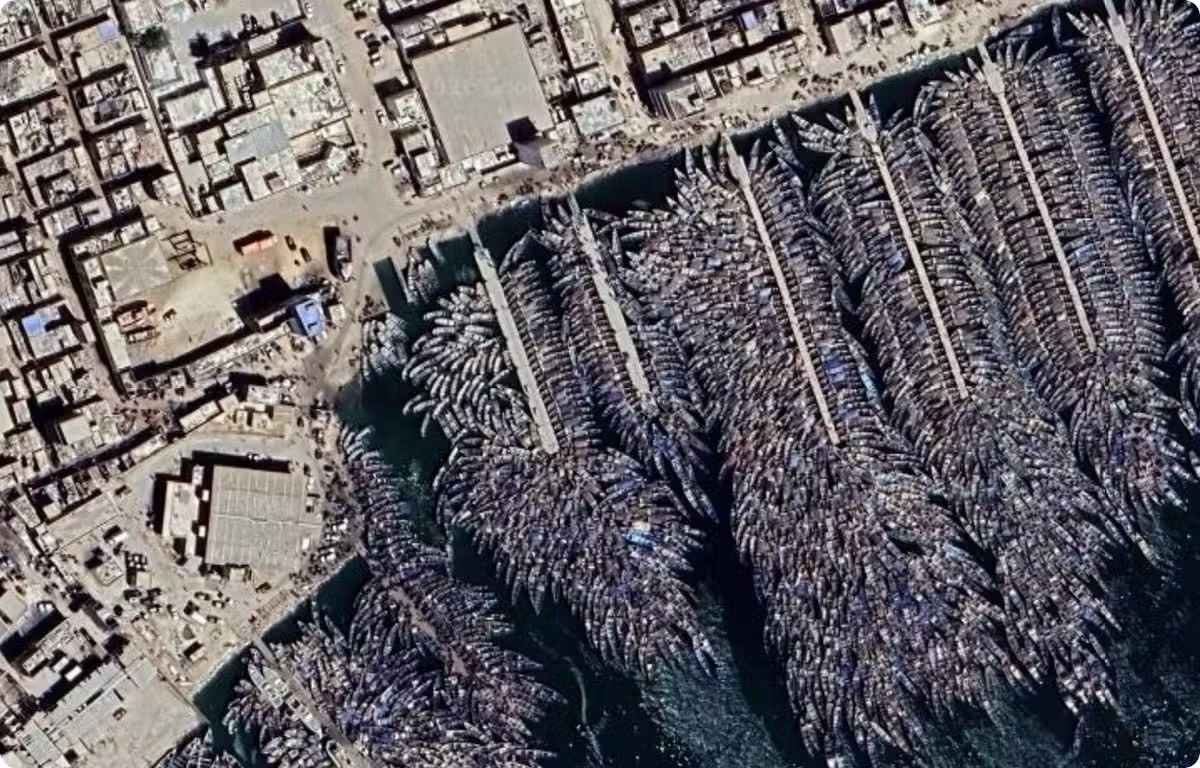
The viral content featured satellite images showing hundreds of small boats clustered in the port. Proponents of the claim argued that these vessels were equipped and ready to carry thousands of people across the Atlantic within days, citing the perceived saturation of reception resources in the Canary Islands as evidence of an ongoing crisis. The posts described a 'lack of control' and a 'limit situation' threatening regional security. However, 20 Minutes verified that the referenced images are not real-time feeds. A search of the Google Earth application used to generate the image reveals that the footage is dated March 2025, not November 2026, thereby disconnecting the visual evidence from the alleged imminent threat. [1]
Further investigation into historical satellite archives shows that the dense clustering of boats in Nouadhibou has been a visible feature of the port for approximately ten years. This pattern is not indicative of sudden preparatory movement for migration but is characteristic of the port's established role. Nouadhibou is the second-largest city in Mauritania and serves as one of the country’s primary maritime hubs. According to the Ministry of Commerce, Industry, and Tourism, fishing remains one of the nation’s most critical economic resources. The port infrastructure in Nouadhibou has been specifically developed to support both industrial and artisanal fishing sectors, which have transformed the local economy and urban landscape. [1]
The density of vessels seen in satellite imagery reflects long-standing capacity issues within the fishing industry rather than migration logistics. An analysis from the Mauritanian Information Agency (AMI) in 2017 highlighted a structural imbalance: while the installation was estimated to have space for only 700 pirogues, there were actually over 3,500 registered vessels. This overcrowding has persisted for nearly a decade, prompting significant infrastructure work and plans for deep-water port construction to accommodate the existing fleet. The images shared in recent social media posts simply recycle scenes of this chronic overcapacity, misinterpreting static industrial reality as dynamic military or migration preparation. [1]
This is not the first time such imagery has been misused. Spanish fact-checking organization Maldita previously investigated similar viral posts in November 2020, where identical satellite photos were used to claim that thousands of immigrants were loading onto small boats to cross to Spain. At that time, the Foundation for Canary Islands Foreign Action (FUCAEX) clarified that migrant departures typically occur from the opposite side of the Nouadhibou peninsula, which is not considered Mauritanian territory but is part of Western Sahara. Current reports from June 2026 by the International Organization for Migration (IOM) continue to support this geographic distinction, noting that irregular migration routes in the region follow specific corridors that do not align with the fishing port's activity zones. [1]
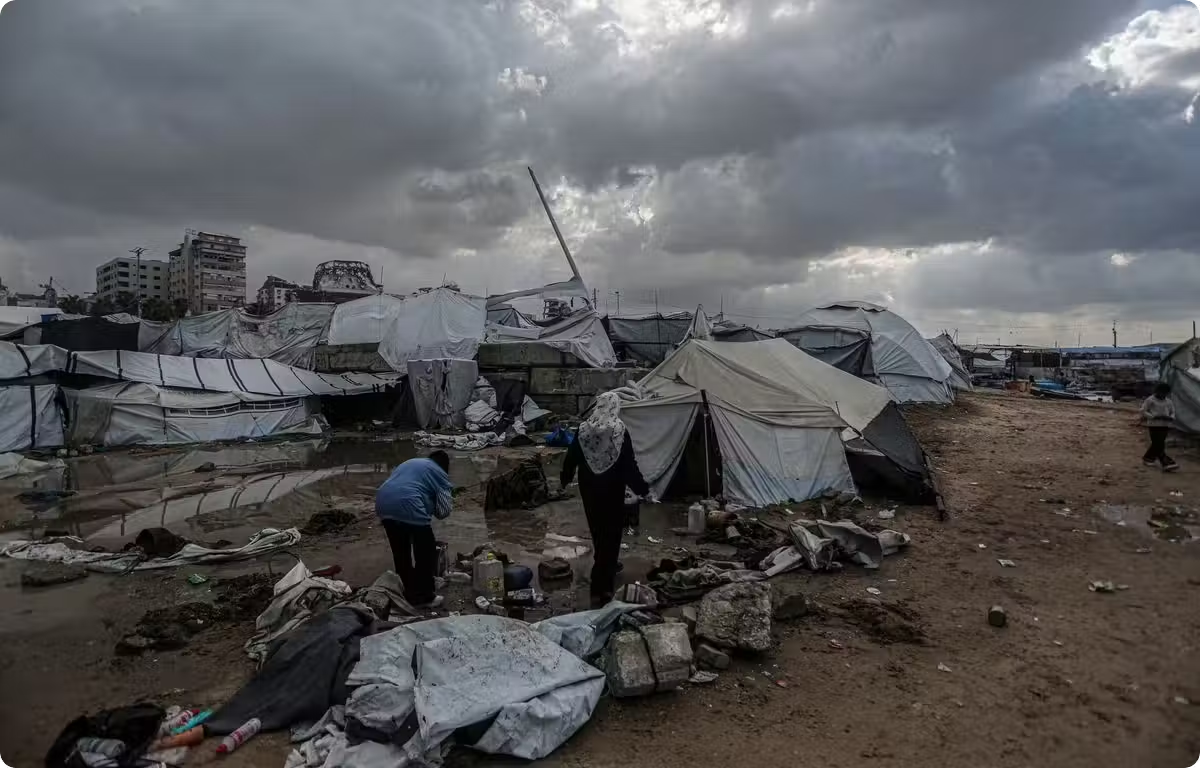
Despite the falsity of the 'invasion' claim regarding Nouadhibou, the Canary Islands are indeed grappling with a substantial increase in migrant arrivals. Local authorities have acknowledged the strain on resources, leading the regional government to declare a 'state of social emergency' on November 6, 2026. This declaration aimed to secure additional resources and improved coordination between regional and national governments to manage the influx. Since the beginning of November 2026, more than 3,300 individuals have arrived in the archipelago via approximately thirty boats. [1]
The heightened arrival rates during this period are partly attributed to favorable weather and navigation conditions typical of late autumn. Overall, according to data from the Ministry of Interior, 13,327 irregular migrants entered the Canary Islands by sea between January and October 2026. While this figure represents a 5.5% decrease compared to the same period in the previous year, the concentrated nature of recent arrivals has necessitated urgent policy responses. The factual disparity between the actual migration routes originating from disputed territories and the innocent commercial activity in Nouadhibou underscores the importance of verifying the origin and timing of viral imagery before associating it with security crises. [1]
- Categories:
- International Relations
- Entities: