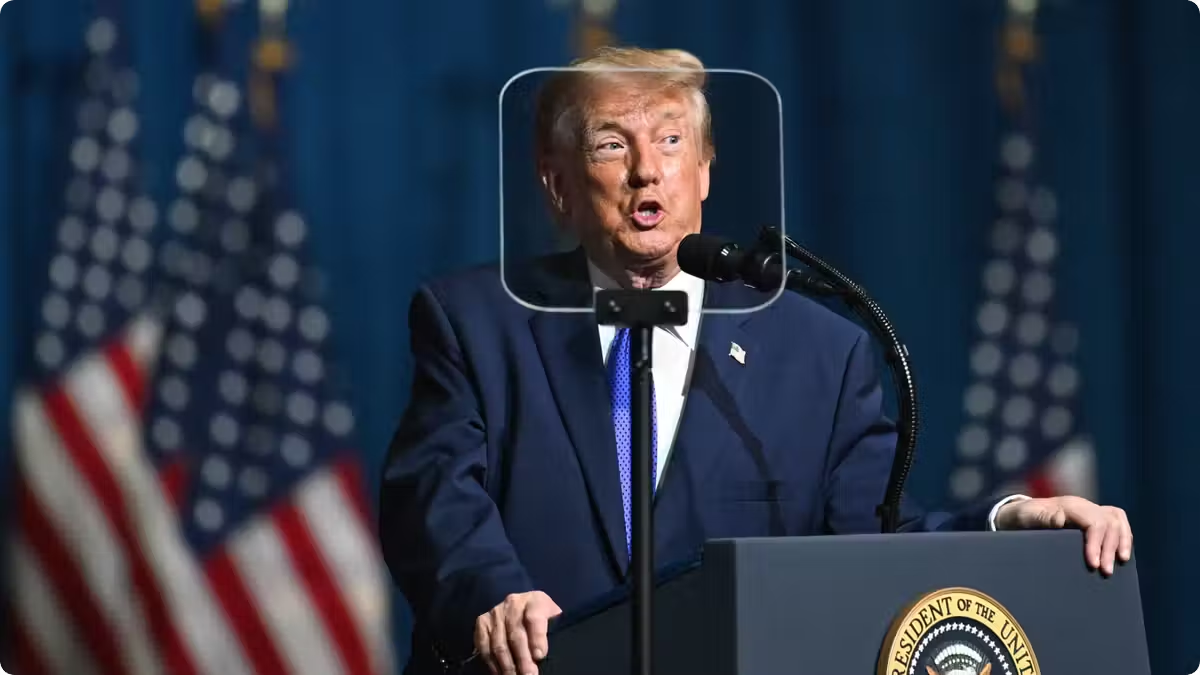
The Democratic Party gained control of the Senate and the House of Representatives in Tuesday’s midterm elections, ending two years of majority Republican governance and giving Democrats significant influence over the foreign policy of President Donald Trump’s administration. During the campaign, Democrats criticized the concentration of constitutional powers to declare war and allocate funds in the executive branch, and now intend to use their new legislative prerogatives to restrict the president’s unilateral actions. [1] [2]
Experts told CNBC that a Democratic majority will intensify scrutiny and analysis of the administration, particularly regarding the management of conflicts in Iran and Ukraine. However, President Trump will retain considerable autonomy in foreign policy, though Congress retains the ability to use its legislative, spending, and oversight powers to constrain him. [1]
One of the primary objectives of Democrats is to end the conflict with Iran, which began on February 28 with a joint attack by the United States and Israel without prior Congressional approval. Democrats have already voted multiple times on resolutions to halt hostilities if Trump does not seek legislative authorization; some of these resolutions passed both the House of Representatives and the Senate, but the Trump administration ignored them. With newfound power in Washington, Democrats could reduce the defense budget or block key appointments to pressure the president into obtaining necessary legislative permission. They can also require administration officials to keep Congress and the public informed about their military plans through public hearings. [2]
Another declared priority is reopening financial and military support for Ukraine, where fighting against the Russian invasion continues. President Trump recently blocked direct aid, lifted sanctions imposed on Russian fuel, and was caught aligning with some Republicans who support Kyiv. The new Democratic Congress, which begins work in January, will set the agenda and pace of votes, with the ability to approve new aid packages for Ukraine—likely sufficient to override a presidential veto with the required two-thirds majority. [2]
Democrats are also targeting the restoration of foreign assistance allocations and reducing non-defensive military spending. Trump requested an unprecedented 67% increase in the defense budget, up to $1.5 trillion, a measure previously blocked by Democratic senators who signaled their refusal regarding his handling of the war with Iran and cuts to social programs. Many foreign assistance funds, previously approved by Congress, were suspended or canceled by Trump, infuriating many Democrats and moderate Republicans who wish to restore these funds. [2]
Support for Israel is declining among Democrats amid the high human costs of the war in Gaza and the close alliance between Prime Minister Benjamin Netanyahu and Republicans. Approximately half of the House of Representatives voted last summer to halt military aid, and others, such as Foreign Affairs Committee Chair Gregory Meeks, propose strict limits on the delivery of heavy bombing weapons. Additionally, the Trump administration has been criticized for interventions in Latin America, including military operations against Venezuela, harsh sanctions against Cuba, and attempts to influence elections in Honduras, Argentina, Colombia, and Brazil—topics that Democrats intend to investigate through specialized committees. [2]
- Categories:
- International Relations
- Entities: