Five years after regaining power in Afghanistan, the Taliban’s promises about women’s freedoms and access to education have met a radically different reality. A woman has lost her right to work, and hundreds of thousands of girls can no longer continue their studies. According to a joint UNESCO-UNICEF report titled 'Situation Report 2026 for Afghanistan', education levels are at an extremely low level. [1]
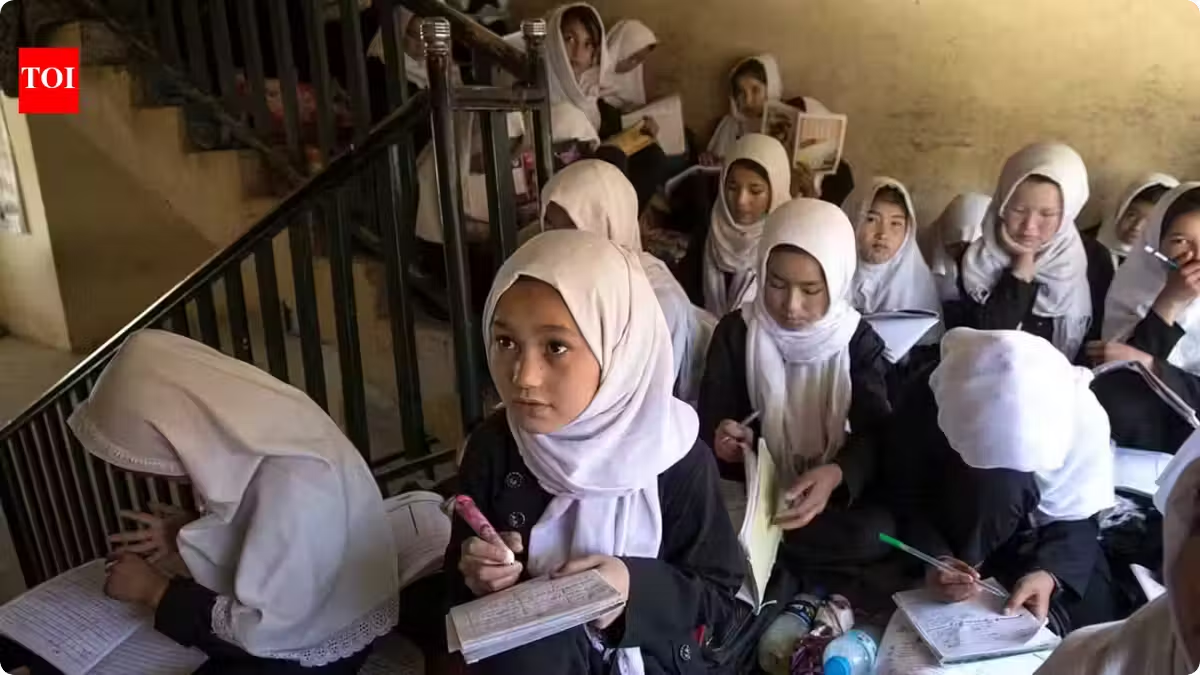
The report notes that more than 2.6 million adolescent girls have been blocked from secondary education since 2021. Moreover, 53% of primary school-aged children in Afghanistan are excluded from formal education. The bans are not limited to girls; the Taliban have also barred women from universities and gradually stripped women of their rights to work, leading to a dire situation for families. [1]
According to national data provided in the UNESCO-UNICEF report, which is based on the assessment of over 55,000 fourth-grade students across all 34 provinces, less than half have reached minimum proficiency in English at the grade three level. Only 25% of students met the corresponding standards for mathematics. The situation for very young children is even more alarming: less than 1% of children aged 3 to 4 participate in early childhood education programs. [1]
In September 2021, when secondary schools reopened, boys were welcomed back into classrooms, but most girls were forced to stay home. The vast majority of girls were blocked from being part of the formal education system. Moreover, more than 100 decrees issued by the Taliban authorities against women affect their freedom of movement, access to education, and health. [1]
Since January 2022, the Taliban have issued a series of restrictive decisions against women, prohibiting their employment in international and national non-governmental organizations. In April 2023, the ban was extended to women working for the United Nations in Afghanistan. They are also not allowed to pursue higher education. [1]
- Categories:
- International Relations
- Entities: