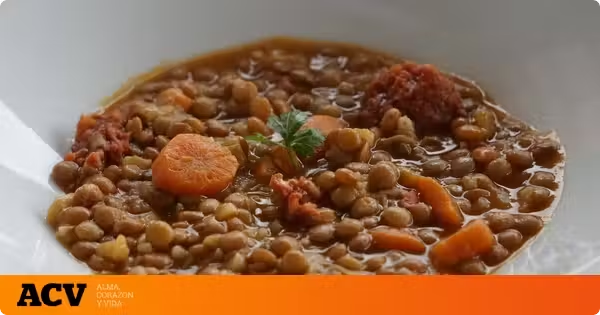
Lentils are among the most traditional dishes in Spanish gastronomy, yet achieving a professional result requires meticulous attention to small but significant culinary details. According to insights from prominent chefs such as Martin Berasategui, Karlos Arguiñano, and David de Jorge, the key to elevating a simple legume stew lies in the final 'refrito'—a sauté of garlic, olive oil, and paprika designed to intensify the overall flavor profile [source:E1044345|El Confidencial].
During his appearance on the cooking program *Robin Food*, hosted by David de Jorge, Basque chef Martin Berasategui highlighted a specific technical pitfall: the over-browning of garlic. Berasategui explained that allowing the garlic in the sauté to brown too much can introduce a bitter aftertaste to the stew. Consequently, he stresses that precise temperature control of the olive oil is essential to avoid this bitterness and achieve a balanced taste [source:E1044345|El Confidencial].
Regarding the base preparation, Berasategui recommends starting the lentils in a pot with cold water. To build depth of flavor, he suggests incorporating vegetables such as carrots, spring onions, and leeks, complemented by a pinch of salt and a splash of olive oil. This mixture should typically simmer over medium heat for approximately 35 minutes, though he notes that the exact timing varies depending on the specific characteristics and variety of the lentils used [source:E1044345|El Confidencial].
The defining moment of the process occurs once the lentils are tender. At this stage, the 'refrito' is prepared by heating olive oil and adding garlic, with careful monitoring to ensure it does not burn. Once the garlic is fragrant but not scorched, a small amount of paprika is added. Berasategui warns against leaving the paprika over the heat for too long to prevent it from burning, after which the entire infused oil mixture is poured directly into the stew [source:E1044345|El Confidencial].
Other acclaimed chefs offer alternative techniques to refine the texture and flavor of the dish. Jose Andres suggests a method for a smoother consistency: cooking the vegetables either whole or in large pieces, removing them from the pot, and blending them with a small amount of the broth before reintegrating the puree into the stew. Meanwhile, Alberto Chicote emphasizes the importance of starting with cold water and maintaining a gentle, slow simmer to prevent the legumes from breaking apart or becoming mushy [source:E1044345|El Confidencial].
For those preparing lentils with traditional meats like chorizo or morcilla, the chefs provide advice on managing fat content. One recommended strategy to reduce excessive grease is to pre-boil the sausages in a separate container before adding them to the main pot. Ultimately, the consensus among these professionals is that the combination of high-quality legumes, disciplined cooking times, and the precision of the garlic sauté determines whether the final dish is rich in flavor or marred by the bitterness of burnt garlic [source:E1044345|El Confidencial].}
The provided research regarding a chickpea potage recipe by cook Guille Varela is unrelated to this reporting on lentil preparation techniques.
- Categories:
- Hospitality