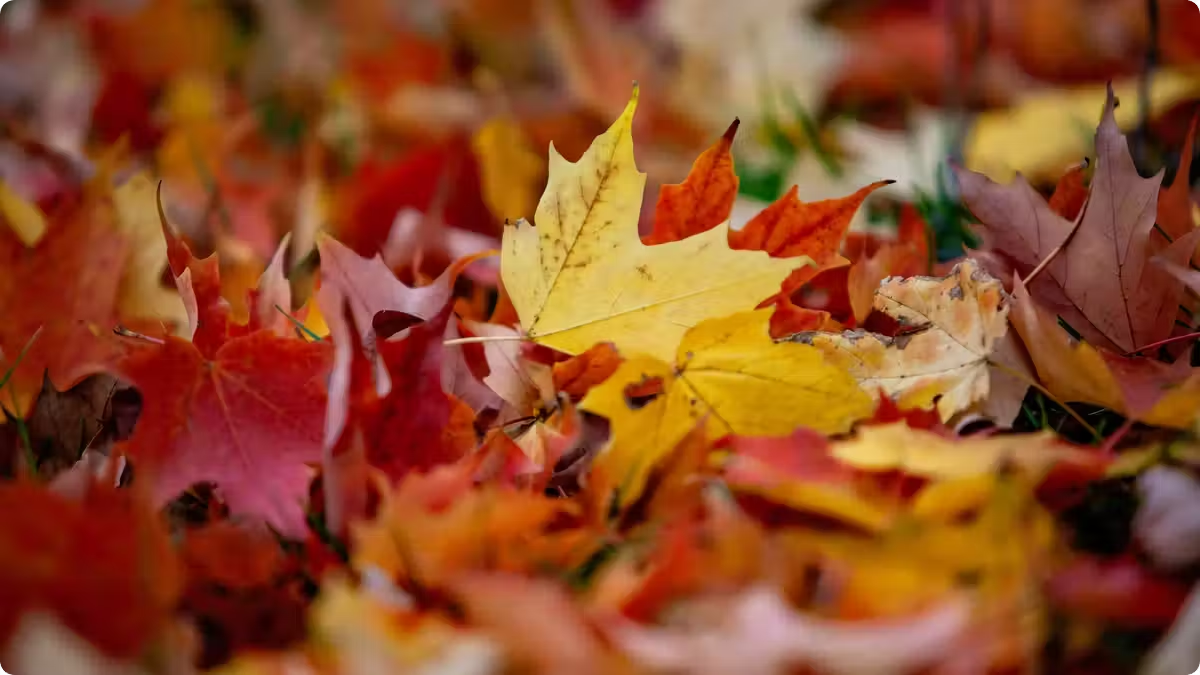
The German lifestyle publication Freundin recommends several practical ways to reuse autumn leaves instead of discarding them, highlighting their potential to protect plants, aid beneficial insects, and reduce costs Freundin. One primary application is mulching vegetable beds or shrubs by loosely distributing leaves over the soil. This protective layer shields the ground from cold, retains moisture, and inhibits the growth of unwanted weeds, serving as a natural alternative to straw or hay. Due to the relatively rapid decomposition of organic leaf matter, this layer may require periodic renewal. [1]
Maintaining fallen leaves also provides critical wintering habitats for beneficial garden inhabitants. Ladybugs, for instance, find shelter under loose layers of foliage. Preserving these retreats is advantageous for gardeners, as ladybugs and their larvae help control aphid populations by feeding on them Freundin. [1]
In composting, autumn leaves serve as a vital carbon-rich balancing agent. To achieve a nutrient-dense mixture, the publication suggests combining approximately one part leaves with three parts moist kitchen waste, such as fruit and vegetable peels Freundin. [1]
For potted plants, dry leaves can function as natural insulation against freezing temperatures. This is achieved by distributing dry foliage around the root area or filling a wire basket surrounding the pot with leaves. To prevent rot or mold, it is essential that the leaf layer remains as dry as possible Freundin. [1]
Additionally, aesthetically pleasing and undamaged leaves can be repurposed for natural decoration. The process involves pressing and drying the leaves between newspaper or paper towels inside a heavy book for several days. Once dried, they can be used for table settings, greeting cards, or decorating lanterns Freundin. [1]
- Categories:
- Environment