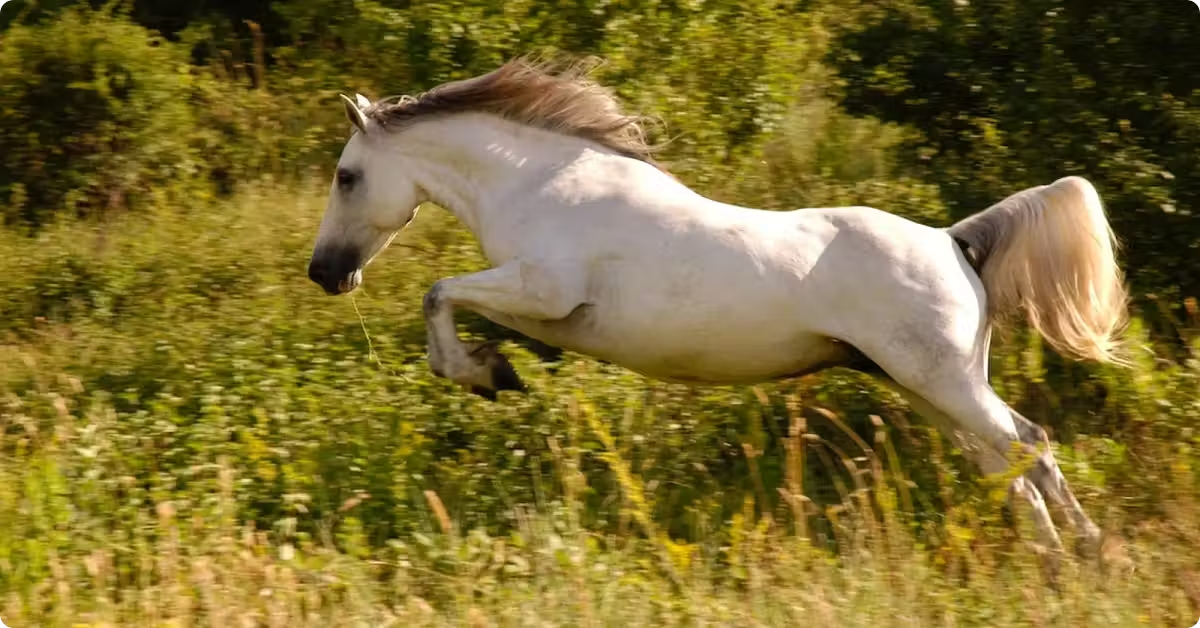
Humans primarily rely on vision to navigate and understand their environment, a sensory preference that distinguishes us from horses, who depend chiefly on smell and touch. This biological difference creates a unique channel for interaction between humans and equines. While human perception is visually dominated, a horse's neurological architecture is geared toward detecting subtle olfactory and tactile cues. The average horse possesses the same sophisticated neurological machinery for odor detection as a bloodhound, capable of identifying scents up to 12 days old from a distance of 12 miles. This capability far exceeds human olfactory limits, where distinguishing specific items like raw steak in a confined space is challenging. Beyond smell, horses exhibit exquisite touch sensitivity. Many areas of a horse's skin can detect lighter touches and pressures than the human fingertip, allowing them to sense minute movements, such as a rider turning their head slightly or the pressure of a finger on reins, even from a distance.
These heightened senses render horses highly sensitive to human emotional states, effectively making them 'emotional mirrors.' By picking up on physical tension, breathing patterns, and subconscious body language through smell and touch, horses reflect human anxiety back to the handler or rider. As herd animals accustomed to reading nuanced cues from companions to ensure collective safety, horses are wired to respond to stress signals. If a rider is experiencing unacknowledged tension, anger, or frustration due to external pressures, the horse detects these shifts immediately. The animal's prey instincts trigger a response of its own: muscles tense, ears prick forward, and breathing becomes shallow. This mirrored anxiety can escalate quickly, as a frightened horse may bolt, spin, or buck, posing significant physical risk to the rider and themselves.
Consequently, learning to ride a horse requires the development of robust emotion regulation skills. Because a horse's reactions are driven by fear and immediate physical feedback, the rider must maintain a state of relaxation to prevent escalation. Calming a nervous horse necessitates calming oneself first. Riders learn to engage in deep, audible breathing, consciously relaxing their muscles, lowering their shoulders, and softening their necks. This physical regulation aligns the rider's movement with the horse's natural gait, promoting a sense of safety and cooperation. Through daily interaction with a powerful, responsive animal, individuals develop the ability to recognize their own emotional states, manage anxiety, and project calmness. Thus, equine-assisted activities serve as a practical training ground for human emotional intelligence and self-regulation.
- Categories:
- Education