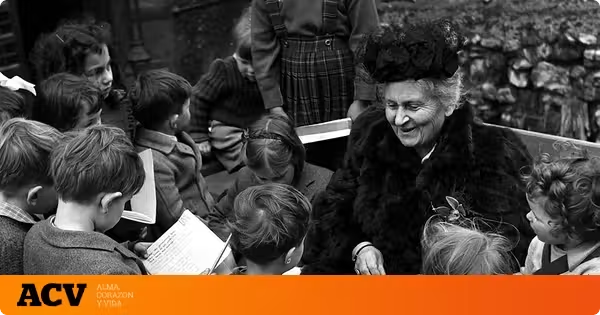
Reading to children serves as a vital tool for boosting emotional intelligence, going beyond the improvement of early literacy skills. According to author Sandra V. Feder, selecting age-appropriate books can help children learn about emotions, increase self-awareness, and model effective strategies for managing intense feelings. When stories reflect a child’s daily challenges, the characters’ experiences provide validation and empathy, reinforcing the bond between parent and child. [1]
Feder’s ‘Emotions and Me’ series, which includes titles such as ‘Angry Me,’ ‘Peaceful Me,’ ‘Shy Me,’ and ‘Lonely Me,’ was inspired by her own children’s experiences with big feelings. The books are written in the first person to validate young readers' frustrations while offering practical methods for self-soothing. Feder explains that giving children the vocabulary to name their emotions empowers them to communicate needs effectively, citing her experience teaching her own daughter to ask for attention rather than acting out. [1]
As a parent and author, Feder emphasizes three key approaches for supporting children’s emotional development. First, adults should actively talk about and name feelings, utilizing books as conversation starters to explore shared experiences. Second, parents must listen patiently, recognizing that behaviors like anger may stem from underlying issues such as fatigue or hurt. Finally, caregivers should model emotional regulation by sharing their own feelings and coping mechanisms, demonstrating that strong emotions are normal and manageable. [1]
- Categories:
- Education