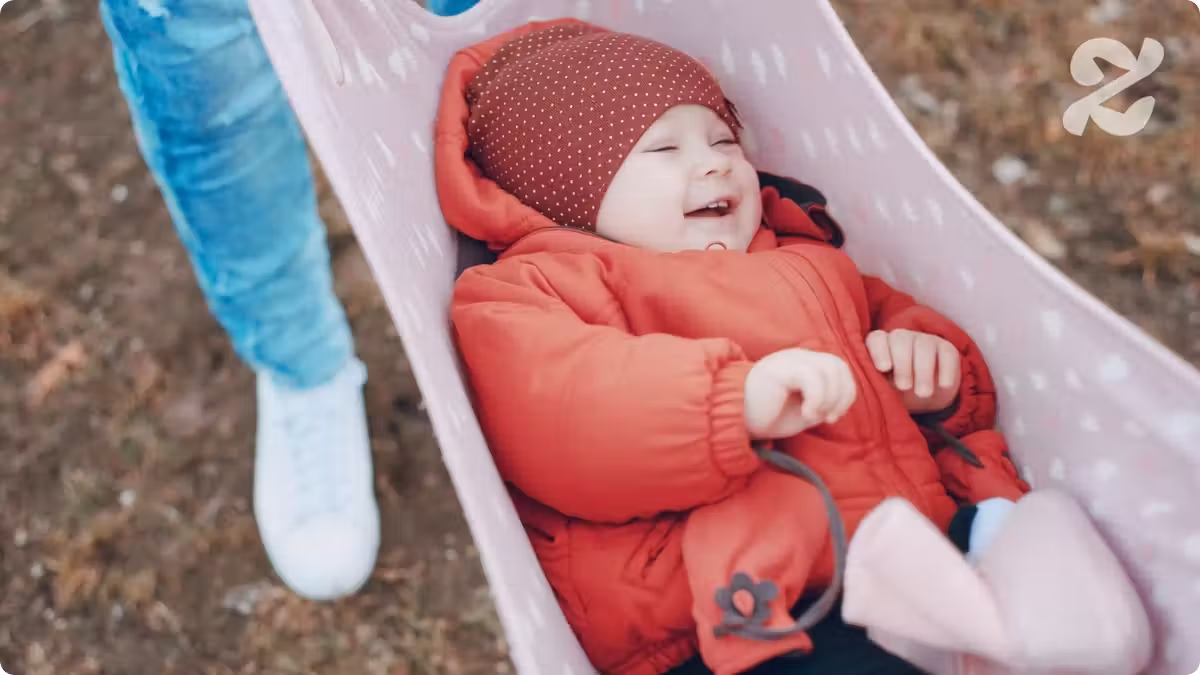
In Bayonne, located in the Basque region of southwestern France, a municipal nursery has adopted a practice that is increasingly rare in the country: putting infants and toddlers to sleep outdoors. The nursery, named Pyrène, situated in the Hauts-de-Bayonne area, exposes 32 children to fresh air for a significant portion of their day, including mealtimes and naps. [1]
The initiative involves dressing children in bonnets, overalls, and warm blankets before placing them outside for their rest. This approach creates a divergence in parental reactions; while it raises concerns among some who fear for the well-being of the young, it also brings joy and relief to parents who appreciate the emphasis on natural living and outdoor time. [1]
The practice mirrors customs common in Nordic countries such as Finland, Sweden, and Denmark, where leaving strollers outside during naps is a normalized cultural habit. Research supports the efficacy of this method under specific conditions. Marjo Tourula, a researcher at the University of Oulu, conducted a study published in 2010 in the journal Acta Paediatrica, which tracked 3-month-old babies in Finland during the harsh winter months. [1]
The study found that babies napped for an average of 92 minutes longer when sleeping outdoors compared to indoors. However, the findings included critical nuances regarding temperature management. As the cold intensified, the babies' skin temperatures cooled more rapidly despite additional layers of clothing, which resulted in shorter napping durations. Researcher Tourula emphasized to Finnish public radio Yle that the benefits rely heavily on appropriate dressing and limiting exposure time, noting that outdoor napping is not a practice to be improvised without proper preparation. [1]
Despite the apparent rarity of the practice in mainstream French institutions, it is aligned with national guidelines. Since 2021, the National Charter for the Care of Young Children, which serves as the reference framework for nurseries and childminders, explicitly states that 'real contact with nature is essential for my development.' The charter mandates that outdoor excursions and immersion in nature should occur 'as much as possible,' requiring every facility to detail in its institutional project how these principles are implemented. [1]
While several organizations have built their core mission around outdoor childcare, they typically operate outside the public sector. In Rennes, the parent-managed association La Clef des champs runs multi-care centers where children play, eat, and sleep outdoors year-round. In Haute-Savoie, Wild Child operates as France's first franchise of outdoor nurseries, featuring small-scale structures of 10 to 12 places, including locations set up in yurts. The municipal nursery in Bayonne distinguishes itself within this landscape by operating within the public framework, adding institutional weight to the concept. [1]
Implementing outdoor napping does not necessarily require extreme weather or snow-covered courtyards. The National Charter provides parents with a formal basis to inquire about the daily duration their children spend outdoors and to identify barriers preventing increased exposure. In many cases, the limitations are structural, such as insufficient courtyard space, or operational, such as staff shortages that make it difficult to properly dress and supervise larger groups of children in external environments. [1]
The same charter underscores that qualified professionals, present in sufficient numbers, are the 'primary guarantee' of quality care. This highlights the resource intensity of outdoor-based education. While some facilities claim to take children out only during favorable weather, the experience in Finland demonstrates a level of integration and expertise that remains ahead of current French norms. [1]
For further discussion on these topics, listeners are encouraged to consult the Madmoizelle podcast 'L'Apéro des Daronnes,' which aims to dismantle taboos surrounding modern parenting challenges. [1]
- Categories:
- Education
- Entities: