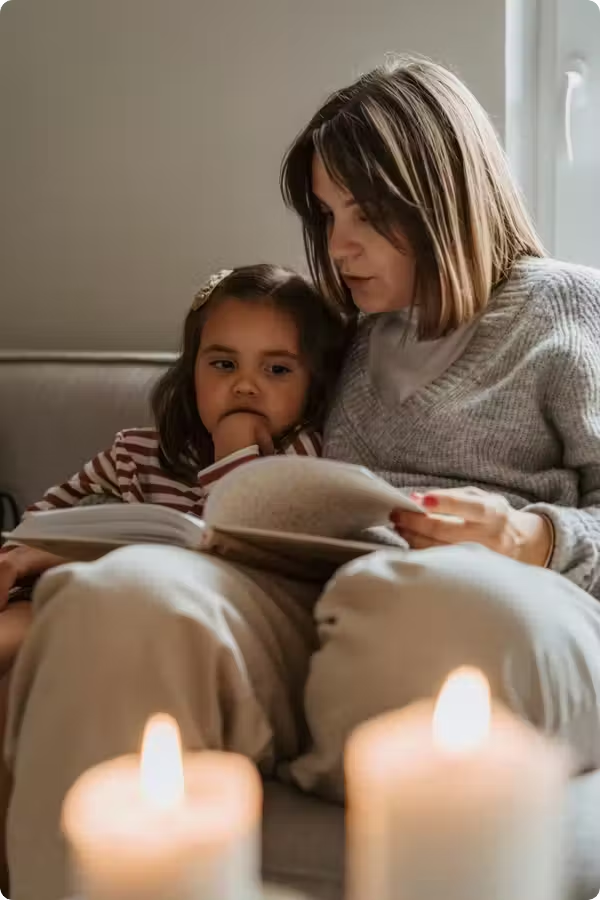
A new picture book titled 'You Live in Our Hearts' (Dutch: *Je woont in ons hart*) has been released to help families navigate conversations about pregnancy loss with young children. Created by author Hester Lentz and illustrator Martine de Soet, the book aims to provide a structured yet gentle framework for discussing grief, helping children process the absence of a sibling they had anticipated. [1]
The concept for the book originated from Hester Lentz’s personal experience with miscarriage. After losing her own pregnancy, she recognized the profound impact such events have on both physical health and family relationships. While she initially sought ways to create something for women sharing similar experiences, the idea gained concrete form after a friend’s newborn baby passed away shortly after birth. Lentz struggled to find an existing resource that adequately addressed the needs of surviving siblings and families in that specific context. [1]
A subsequent encounter with another family dealing with pregnancy loss solidified Lentz’s resolve to bring the project to life. She determined that the narrative should be one shared by the entire family, emphasizing that grief is a collective experience that remains part of the family’s history. The book was designed not to hide sadness but to present it openly and visually, allowing the pain to be acknowledged rather than suppressed. [1]
Illustrator Martine de Soet joined the project, bringing her own artistic vision and personal resonance with the theme. De Soet had previously lost two pregnancies, at 17 and 24 weeks respectively, and had earlier created an illustration of a deceased baby that stayed with Lentz. Both creators infused the work with their empathetic understanding of the subject matter. The illustrations feature a nameless protagonist told from a first-person perspective, dressed in consistent clothing and holding the same stuffed animal, but varying in appearance across pages to allow children of different backgrounds to see themselves in the story. [1]
The narrative follows the experience of a child anticipating the arrival of a brother or sister. It depicts the tangible changes in the household, such as the mother’s growing belly, the selection of baby supplies, and the preparation of a nursery, followed by the sudden cessation of these preparations. Lentz notes that young children observe these shifts vividly, often understanding more than adults realize, yet lacking the vocabulary to express their confusion and sorrow. The book addresses this gap by validating the child’s perception of the loss. [1]
Accompanying the book is a set of emotion cards designed to facilitate dialogue between parents and children. Each card features questions and low-threshold activities focused on emotions such as anger, love, joy, and boredom. For example, parents and children can collaborate on creating a 'recipe for being angry,' identifying what helps when upset and what actions to take. These tools aim to overcome the common hesitation parents feel when initiating conversations about heavy topics, making the discussion playful and accessible. [1]
Early feedback indicates that the book serves multiple audiences. Parents report using it to initiate home discussions, while adults who experienced similar losses in childhood find comfort in recognizing their past emotions. Some children have become so engaged with the book that they voluntarily read it to friends, naturally introducing the topic of their family’s experience without discomfort. This outcome aligns with the creators’ primary goal: to normalize conversation around difficult subjects and reduce the stigma surrounding pregnancy loss. [1]
- Categories:
- Culture