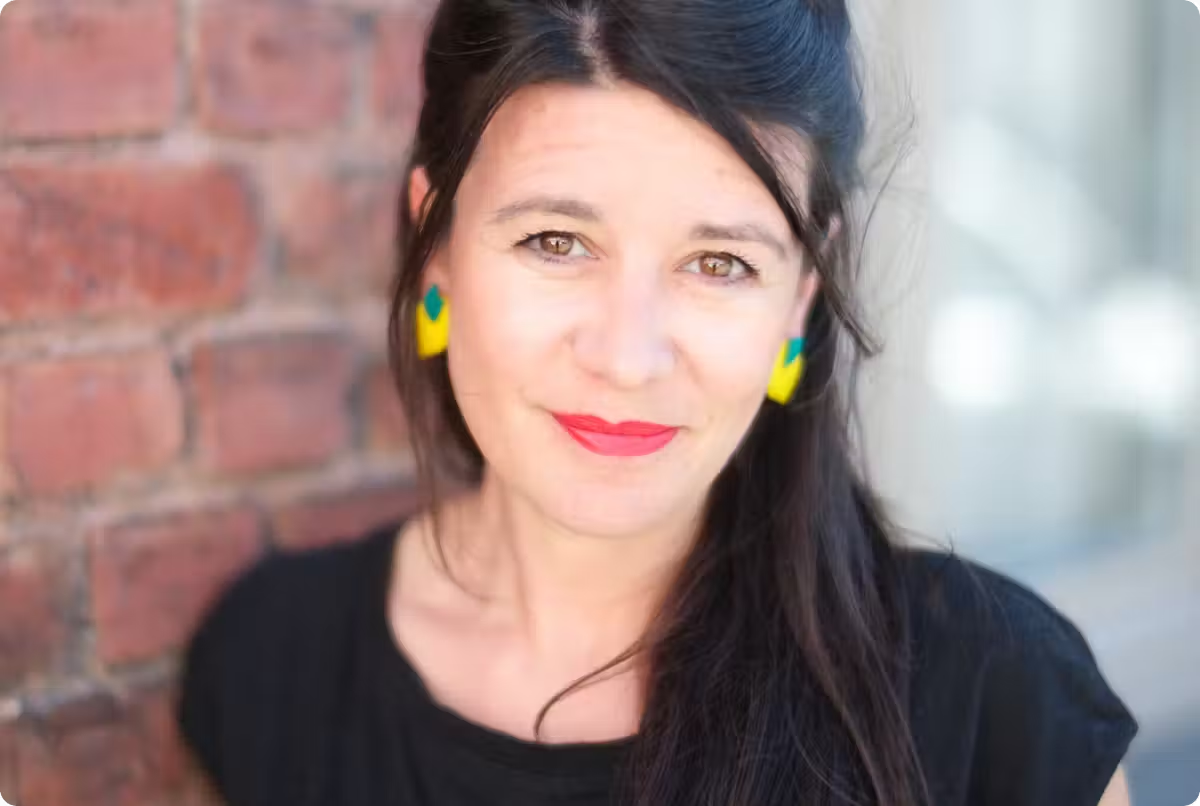
Camille Drouet Chades, a journalist and mother of two, has released a new graphic novel titled 'Une grossesse sur quatre' (One in Four Pregnancies), published on September 9, 2026, by Casterman and La Revue Dessinée. The book aims to dismantle the social and medical stigmas surrounding spontaneous pregnancy loss in France by blending her personal narrative with broader investigative findings. Drouet Chades draws upon her own experience of undergoing five spontaneous abortions to achieve her two children, as well as interviews with other patients, healthcare professionals, and women in her community, to highlight a widespread pattern of systemic neglect and mismanagement. [1]
The genesis of the project dates back to a traumatic incident five years ago. Drouet Chades describes experiencing vaginal bleeding at her workplace while eleven weeks pregnant. Rushed to emergency services, she was informed that the fetal heart had stopped beating. She recounts being sent home without pain relief, advised simply to 'let nature take its course,' despite having requested a one-day sick leave. That night, facing severe distress, she returned to a different hospital closer to her home, where she suffered a hemorrhage. Upon waking, she found herself in a monitoring room shared with women in active labor, as the hospital lacked private spaces for post-miscarriage care. A midwife, visibly distressed by the situation, apologized for the lack of facilities and told Drouet Chades, 'Don't worry, it happens once in four.' Drouet Chades described the interaction as horrifying for her, her partner, and the overburdened healthcare worker. [1]
Central to the graphic novel is Drouet Chades' critique of the terminology used to describe pregnancy loss. She argues against the term 'fausse couche' (miscarriage), which translates literally to 'false miscarriage' or 'fake miscarriage.' She contends that the phrase undermines the reality of the physical and emotional trauma. Symptoms of the first trimester, such as nausea, hypersomnia, and sciatica, are real, as is the physiological pain of uterine contraction and the psychological anguish of loss. She proposes replacing the common expression 'faire une fausse couche' (to have a miscarriage) with the more factual 'arrêt spontané de la grossesse' (spontaneous stop of pregnancy). 'Saying that the pregnancy stopped spontaneously is sufficient,' she states, emphasizing that language shapes reality and that the current terminology contributes to feelings of guilt and pressure among patients. [1]
Drouet Chades also challenges the statistical prevalence of spontaneous abortion in France. While official reports from the National Assembly, the French National Health Insurance, and Wikipedia cite an annual figure of 200,000 cases, she argues this number is likely an underestimation due to inconsistent recording methods. In previous years, when there were 800,000 live births per year, the estimate was 200,000 losses. Today, with around 645,000 live births, the number remains cited as 200,000. She notes that many losses are not formally recorded as such; patients may be registered under symptoms like bleeding or pelvic pain, but the final diagnosis often does not appear on official records at the hospital, departmental, or national levels. At 200,000 cases annually, this would amount to one case every two and a half minutes. [1]
Social silence begins early in pregnancy, Drouet Chades explains. Cultural norms in France dictate that pregnancy should not be announced until the end of the first trimester, reinforced by the idea that pregnancy is only 'official' after the three-month ultrasound. This silence creates a paradox: if a pregnancy is never announced, its loss is treated as a non-event. Drouet Chades hid her first few losses because society imposed this discretion; she did not want to upset loved ones and felt guilty, fearing that others would trivialize her experience. It was only after her third loss that she began discussing it openly, realizing how prevalent the issue was around her, including discovering that her grandmothers had experienced similar losses, a fact unknown to her previously. [1]
The graphic novel further investigates the healthcare system's handling of spontaneous abortion. Drouet Chades asserts that the high frequency of the event leads to desensitization among medical staff, who may underestimate the physical pain involved. Common dismissals include comparing the pain to 'heavy period cramps,' which she refutes. Medical studies indicate that medications used to induce the expulsion of pregnancy tissue can cause uterine contractions comparable to those during childbirth. This physical pain is rarely explained or prepared for, leading to fear and confusion that exacerbates psychological trauma. Additionally, many healthcare providers themselves feel ill-treated by the system; half of all hospital midwives in France report they cannot perform their duties as they wish due to insufficient time and resources. [1]
Through 'Une grossesse sur quatre', Drouet Chades seeks to give voice to a silent epidemic. The book serves not only as a memoir but as a call for better management and accompaniment of patients experiencing spontaneous abortion. By breaking the taboo of silence and challenging the linguistic and institutional frameworks that minimize the experience, she hopes to foster a greater awareness of the scale and severity of pregnancy loss in France. The publication includes illustrations by Manon Mugnier, visualizing the emotional and physical journey described in the narrative. [1]
- Categories:
- Culture
- Entities: