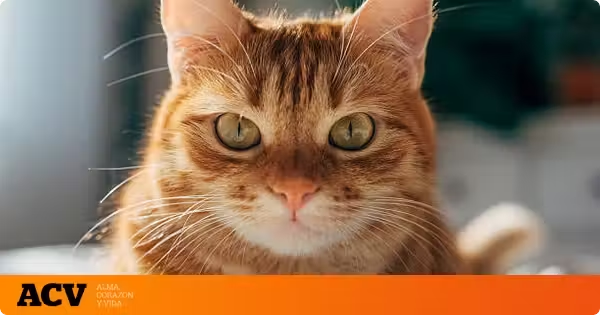
Spanish veterinarian Carlos Gutiérrez warns that excessive territorial behaviour in cats can create stress and make cohabitation difficult, and he says owners should learn to recognize the signals so they can reduce tension at home. In a video on his YouTube channel Mascotas y Familias Felices, Gutiérrez stresses that identifying the degree of a cat’s territoriality allows targeted measures that improve wellbeing. The advice focuses on reading body language and environmental triggers rather than punishing the animal.
One frequent sign appears when a cat watches other felines through a window and reacts with nervousness or aggression. Even if the outdoor animal is no real threat, the indoor cat can interpret it as an intruder. Gutiérrez cautions that this can lead to redirected aggression, where the cat attacks a nearby person or another pet. When the cat flattens its ears or is visibly agitated, he recommends giving it space and avoiding confrontation.
To reduce window-related stress, he suggests partially limiting the view of the outside without denying the cat access to the window. Options include placing semi-transparent vinyl on the lower part of the glass or installing a bamboo screen on a balcony. He also advises environmental enrichment with toys, scratching posts and synthetic facial pheromones to help create a calmer atmosphere.
Urine marking is another indicator of territoriality and can occur in sterilized males and females. When a cat marks beds, shoes or personal objects, it may be expressing stress. Gutiérrez recommends considering sterilization where appropriate and cleaning marks with enzymatic cleaners. He warns against using ammonia-based products, which can encourage repeat marking because they resemble cat urine odor.
Resource guarding is also common in highly territorial cats. Some cats stop eating or become tense when someone approaches their food bowl, and they may guard resting places or even their owners’ attention. To reduce conflict, especially in multi-animal households, he advises providing several quiet feeding stations and building positive associations through play, particularly around shared resources.
Gutiérrez also notes that adding another cat does not automatically solve territorial problems. ‘Adopting another cat magically will not solve anything,’ he says, recommending gradual introductions when a new feline joins the home. If behaviour persists, he urges owners to consult a feline behaviour specialist, because chronic stress can harm health and complicate coexistence.
The recommendations emphasize management over restriction: keep windows usable but less stimulating, clean marks properly, spread resources, and use enrichment and pheromones to signal safety. By reading signs such as ear position, redirected aggression and marking, owners can intervene early and support a more stable environment for territorial cats living indoors.