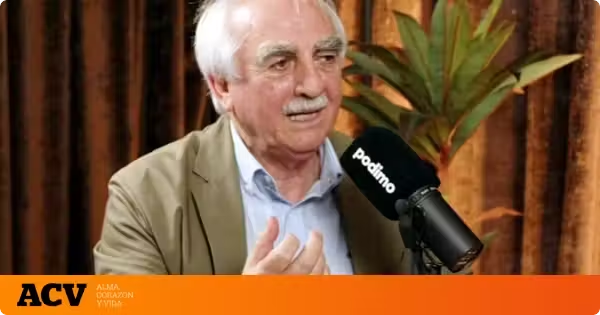
Spanish sociologist Cayo Sastre, author of Turistopía: El mundo como «souvenir», argues that travel planning is now entangled with questions about how people want to live and what they expect from the future. He centers his reflection on the relationship between personal aspirations and the desire to tour the world. [1]
In the podcast El sentido de la birra, Sastre contrasts the expectations of previous generations with present ones, stating that becoming a tourist has turned into the only life project. He recalls that people once aspired to own a home, build a family, care for ancestors, parents and children, and pursue progress through sacrifice and improvement. [1]
Sastre says the horizon of progress has lost strength among workers and the general population, leaving tourism as a possible sole life project. He describes the aspiration to travel to Thailand and farther afield as a way to enjoy life, and questions what happens when personal expectations concentrate on the next destination. [1]
His essay projects a future metropolis organized around tourism, distinguishing outdoors who consume destinations without rest and indoors who work to serve them. With this image, Turistopía addresses gentrification and the consequences of turning cities into spaces for visitors, affecting neighborhoods, public services and those who sustain the activity. [1]
Sastre describes a sense of emptiness in that scenario, saying the world feels happy but suddenly empties. From his perspective there is simply movement and tourism. [1]
He cites maternity as an example of decisions that may be subordinated to preserving the freedom to travel, noting the idea of postponing motherhood to stay mobile and enjoy life. He closes with the image of humanity lost in space, stressing that tourism has become the only life project. [1]