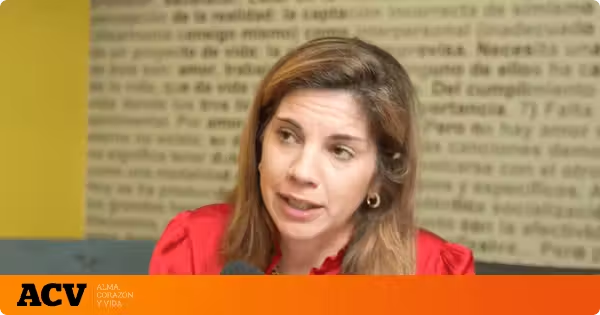
Psychiatrist Marian Rojas Estapé explains that prolonged stress states can affect physiological processes, including immune defenses. She frames the link within psychoneuroimmunology, the discipline that studies relationships between mind, nervous system, hormones and immunity. In a podcast interview on Cracks presented by Oso Trava, Rojas Estapé says how we interpret daily difficulties can influence the body's response to tension. [1]
Rojas Estapé says, “My immune system is listening to how I manage the different battles of day to day.” She notes immune cells have receptors for substances including cortisol, a hormone involved in the physiological stress response. She stresses that cortisol is necessary for acute threats, but sustained stress activation keeps the hypothalamic-pituitary-adrenal axis constantly active. That can contribute to alterations in immune regulation and inflammatory processes, though effects depend on many factors and do not necessarily cause disease. [1]
Rojas Estapé highlights internal dialogue for psychological wellbeing. “I usually say that having good mental health is getting along with my inner voice, how I narrate my life,” she says. She argues the way a person interprets experiences can increase or reduce threat perception, especially in difficult situations. [1]
She cites recurring thoughts such as believing nobody likes us, that everything goes wrong, or that we cannot overcome difficulties. Maintaining negative self-talk can favor persistent alertness. “Whenever I speak badly to myself, I interpret the world as a threat to me,” she notes, emphasizing interpretation shapes emotional response. Rojas Estapé links thought patterns to childhood experiences via her “inner recorder” concept. Criticisms, comparisons and labels in early years can shape self-esteem. Expressions like “you are clumsy” or “your brother does it better” can become integrated into adult self-perception. [1]
She clarifies improving internal dialogue does not mean ignoring problems or forced positivity. “For me optimism is knowing what is happening to me, understanding what is happening to me, accepting what is happening to me, but telling it to myself in a way that does not block me,” she explains. She defends recognizing emotions, setting limits and learning to manage distressing situations. [1]
Rojas Estapé underscores addressing health with both physical and psychological factors. She notes the stress-immune relationship is complex and negative thoughts alone do not cause disease; genetics, infections, lifestyle and other biological factors also matter. Mental health care can be part of prevention and general wellbeing but does not replace medical treatment when needed. [1]