Architect and coach Ahuti Alice Müller explains how living spaces influence relationships in an interview conducted by video call from her holiday home in southern France, which she describes as her absolute feel-good place. [1]
Müller works with clients on how to create harmonious cohabitation and notes that childhood experiences shape housing preferences, sometimes leading people to choose homes similar to or opposite their parents' homes. [1]
She observes that conflicts often arise around the need for retreat and space appropriation, such as who controls the rooms and how much space each person takes, and suggests zoning large rooms with half-height shelving to add small-scale coziness while retaining openness. [1]
Müller emphasizes that small changes can help if someone feels uncomfortable, advising to test moving a couch for three weeks because many are surprised how well it works. [1]
She questions traditional bedroom sharing and says separate bedrooms do not mean the end of a love life, noting that room layout, like bed position in door alignment, can affect sleep quality. [1]
Müller advises against home offices in bedrooms or at the kitchen table and recommends a slightly separated workspace, ideally with a view out a window and a wall at the back. [1]
She points out that the most important thing in a bedroom is not the wardrobe but the bed and its position, and that large cupboard walls are out of fashion in living rooms. [1]
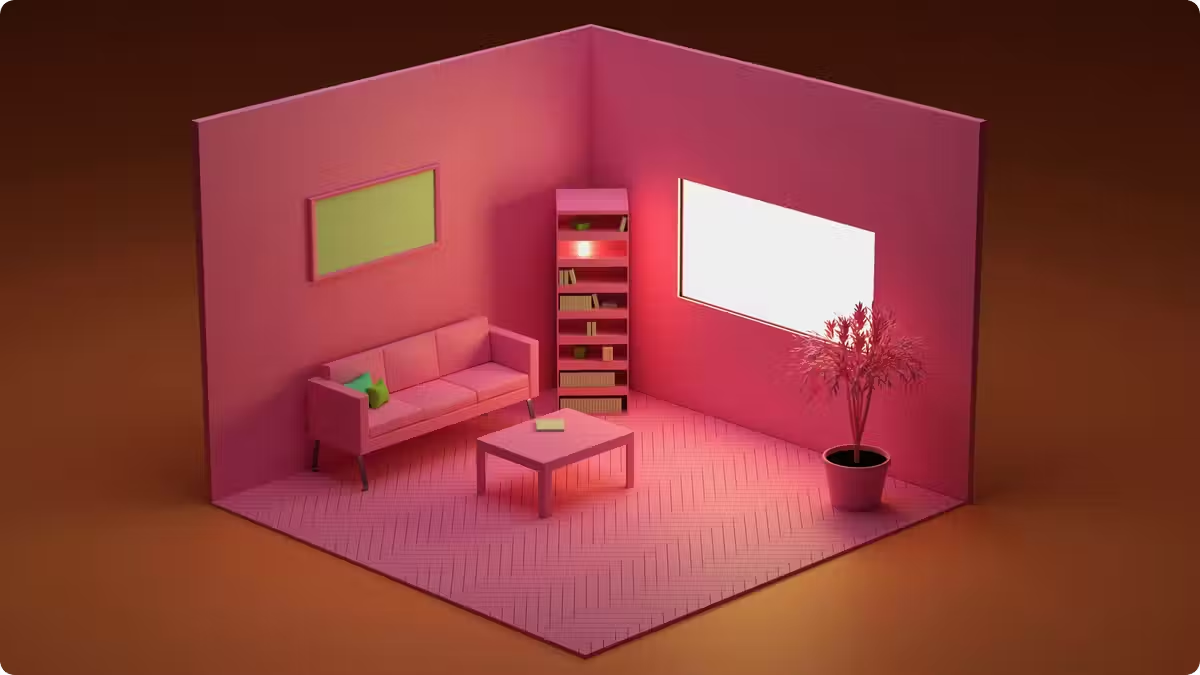
Müller argues a sofa is about encounter and togetherness, and that placing it in an unfavourable spot reduces meetings between partners, so moving it to a protected, comfortable area can positively influence the relationship. [1]