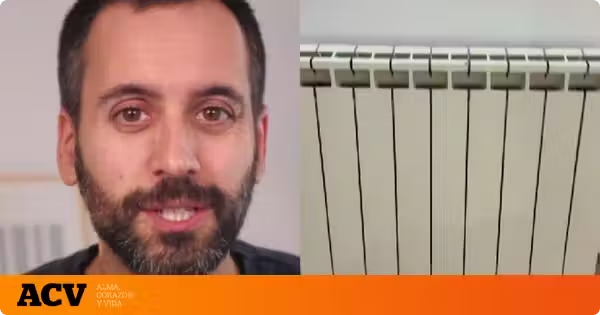
Cooling weather brings a familiar set of complaints about heating efficiency, and a plumber who advises homeowners on water-based heating systems says the problems are usually small and fixable at home. The piece frames the issue as seasonal demand rising while many installations suffer from simple blockages rather than a major boiler failure.
The first recommendation is practical housekeeping around the radiators. Objects placed on, in front of or beneath the units, including drying laundry or furniture pushed close to them, interrupt the natural convection loop that moves warm air upward. Dust and lint inside the grilles also reduce heat transfer, so regular vacuuming and wiping are presented as routine care that supports more even warmth.
An uneven temperature pattern is a diagnostic clue. When the bottom of a radiator is hot but the top stays cold, the system has likely trapped air. Air bubbles displace hot water and limit the heated surface. The installer describes bleeding the radiator with a bleed key or screwdriver until the hiss stops and water runs, noting that this quick operation can restore performance immediately.
The opposite pattern, hot at the top and cold at the bottom, points to sediment accumulation. Over time, rust, impurities and limescale settle as sludge or mud in the circuit, reducing flow and raising energy use. The article warns that ignoring deposits not only cuts efficiency and raises bills but can also shorten boiler life, and recommends professional flushing or chemical cleaning to restore normal circulation.
Beyond radiator-specific fixes, the piece lists low-cost habits that help retain heat through the cold months. Using curtains to capture solar gain during the day and add insulation at night, avoiding sudden high thermostat spikes, and keeping heating moderate when the home is empty are all described as ways to cut waste. Small measures such as checking window and door seals and fitting self-adhesive rubber or silicone gaskets and brush strips at the base of doors are highlighted as inexpensive barriers against drafts.
Individual room control is also covered. Thermostatic radiator valves allow tailored temperatures for different uses, for example 18 to 20 degrees Celsius in bedrooms at night and around 21 to 22 degrees Celsius in living areas. The article notes that lowering the ambient temperature by just one degree can save six to seven percent on energy costs, and that boilers heat water at a constant rate regardless of the setpoint, so higher settings do not speed warming but extend run time and increase consumption.