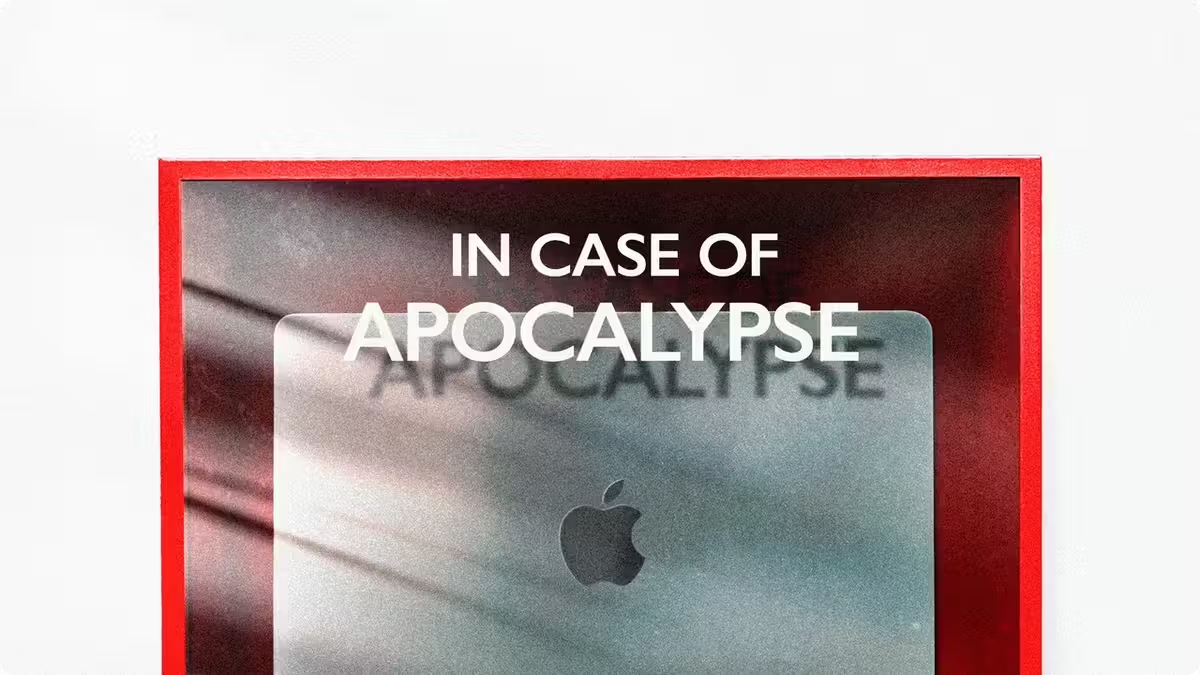
A series of major technical incidents affecting global infrastructure in recent days—including massive Microsoft system failures, a nationwide halt in US air traffic, errors in banking and cloud services—have served as a stark warning about the fragility of our dependence on digital connectivity. These Events, reported in the context of approaching the era of artificial intelligence, prompted an immediate reaction in online communities dedicated to disaster preparedness. Users on platforms such as Reddit began actively discussing ways to protect their devices and data in scenarios involving digital apocalypse or prolonged power outages. [1]
One of the emerging solutions in this space is the portable device called Nomad, created by Jackson Studner, a student at Millersville University in Pennsylvania. Studner, who describes himself as passionate about building useful things, developed this miniaturized server to provide entertainment and essential utilities in areas without internet coverage. The device includes an offline library containing the entire Wikipedia, movies, video games, and navigation maps. “I like the reliability aspect. I like owning my stuff,” said Studner. He also added navigation features to help his community plan routes in case of an electrical grid failure, calculating travel time on foot or by car. [1]
In addition to dedicated hardware solutions, interest has shifted toward emergency libraries that can be downloaded onto personal computers. The Project Nomad initiative, started by Chris Sherwood (known as Crosstalk Solutions on YouTube) and linked to disaster resource hubs, has accumulated over 40,000 downloads on GitHub and more than 200,000 monthly views on its website. Sherwood, who does not identify as a traditional 'prepper,' was inspired by his volunteer experience with the IT Disaster Resource Center (ITDRC) during Hurricane Ian, where he saw the critical importance of restoring communications. Other projects, such as lastbook.org and Survival LLM, offer offline access to instructional videos and information from government agencies like the CDC and FEMA, guiding users in finding potable water or starting fires. [1]
Another wave of reactions, predominantly documented by US lifestyle and fashion press, targeted female consumers and panic buying, described as a form of catharsis for anxiety generated by technological uncertainty. For example, Gina Arconti, a medical representative from San Diego, filmed her emergency 'go-bag' contents on TikTok and Instagram, including first-aid kits, maps, and special backpacks. This type of content triggered massive sales for affiliate products and influencer collections on Amazon. [1]
- Entities: