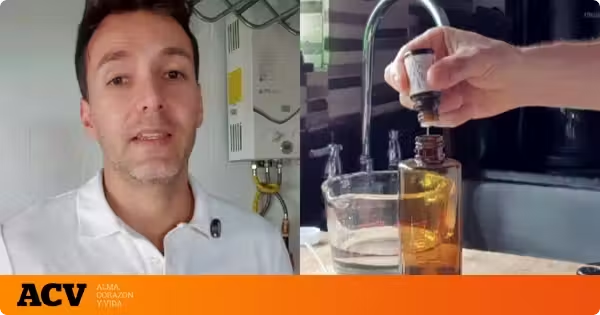
Spanish media outlet El Confidencial has published a report detailing a set of home care tips provided by Diego Fernández, a chemical engineer. Fernández shares four specific recipes utilizing essential oils, which he employs in his own household for various domestic tasks ranging from odor neutralization to fabric care and insect repellent. [1]
The article highlights that Fernández’s approach combines professional chemical knowledge with practical application. He introduces his selections by stating, “4 mixes with essential oils that I as a chemist use at home,” emphasizing that each formulation is tailored to address a specific household need, necessitating different proportions and ingredients for each preparation. [1]
Fernández’s first recipe is designed to neutralize food odors lingering in the kitchen after cooking. He instructs users to place half a liter of water and a splash of white vinegar in a pot. The mixture is brought to a boil and then reduced to low heat. At this stage, ten drops of any preferred essential oil are added. The solution should simmer for ten to fifteen minutes, allowing the aromatic vapor to neutralize bad smells in the room. [1]
For refreshment of textiles, Fernández proposes a second mix suitable for used clothing or towels that require revitalization before reuse. The recipe involves a spray bottle containing fifty milliliters of alcohol, twenty drops of essential oil (such as eucalyptus, lavender, or tea tree), and one hundred milliliters of filtered or bottled water. The mixture is applied directly to the fabrics to restore their freshness. [1]
A shared post by the account 'Químicos para el hogar' (Chemicals for the Home) accompanies the report, providing visual context to the chemical-focused home care theme. [1]
Addressing insect nuisances, specifically mosquitoes, Fernández offers a third recipe for a natural repellent. This formula combines one hundred and fifty milliliters of bottled water, twenty milliliters of antiseptic alcohol, five milliliters of glycerin, and fifty drops of citronella essential oil in a spray bottle. After mixing thoroughly, the repellent can be applied to the skin as needed. The article notes this as a direct assertion by the author without accompanying safety evaluations for dermal application. [1]
The final suggestion tackles bathroom odors using what Fernández colloquially refers to as a “poop spray.” This preparation utilizes fifty milliliters of filtered or bottled water, thirty milliliters of alcohol, fifteen milliliters of glycerin, and five milliliters of essential oil. The mixture is shaken well and sprayed four or five times onto the water surface in the toilet bowl before use. This technique aims to trap odors so they are eliminated upon flushing. [1]
- Entities: