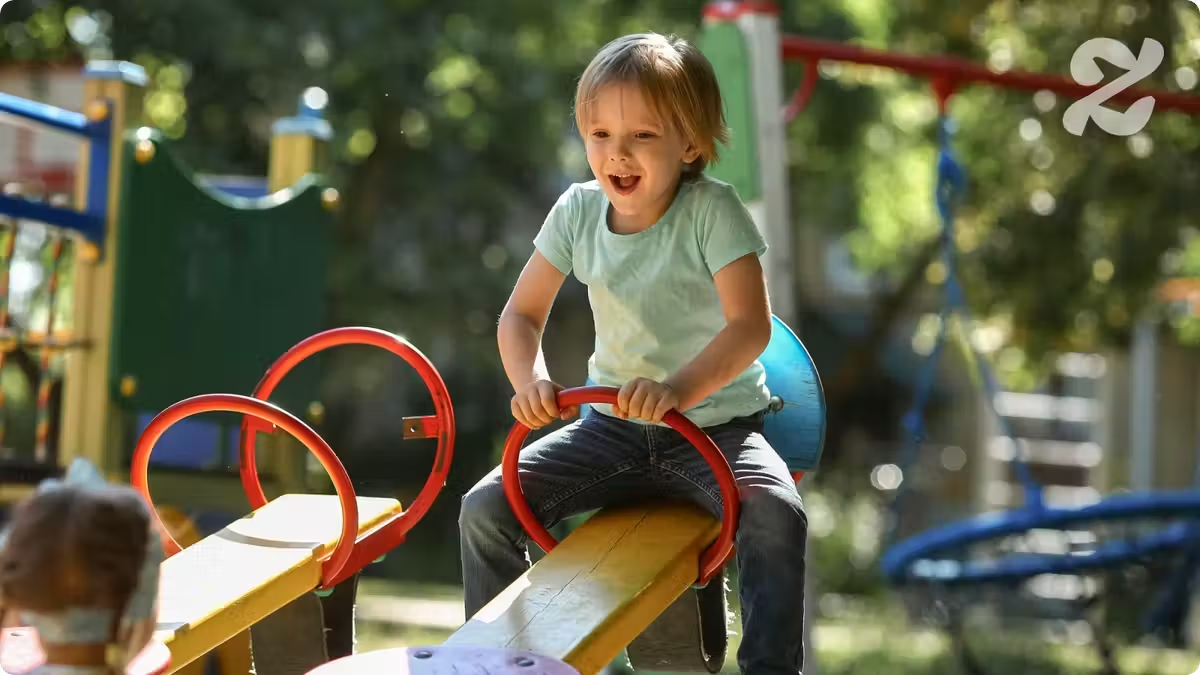
According to a British study published in early November, children taken to the park at least once a week show fewer emotional and relational difficulties, a finding the outlet describes as encouraging and not resting only on parents' shoulders. [1]
The report frames this as good news for parents who take their children to the square even when the sky is grey, noting the effort may not be in vain. A team from the University of Exeter led by researcher Mark Ferguson has just published in the Journal of Epidemiology & Community Health a study on park outings and children's social and emotional development. [1]
The article introduces the section on fewer difficulties among park regulars. [1]
Researchers followed 4,219 children from the British Alspac cohort born around Bristol in 1991 and 1992. Their mothers reported at several ages how often they took them to the park or playground and completed between ages 4 and 11 a reference questionnaire on the child's emotional, behavioural and relationship difficulties. [1]
Children who went to the park at least once a week presented fewer difficulties than others, and the same child did better during periods when they went more often. The link holds after accounting for the mother's education level, neighbourhood or family difficulties. In The Conversation Mark Ferguson summarises that children taken to the park weekly from 6 months to 11 years scored on average 16.5% better on the tests. [1]
The article flags results to confirm in today's children. [1]
Caution is warranted: it is an observational study showing an association not proof that the park heals. The children followed were born before smartphones, and the sample is overwhelmingly white, the authors note, calling for replication elsewhere. [1]
An earlier study by the same team in a more deprived and diverse British town did not find a link with the park but did find one with outdoor play in gardens or streets. Those outings were with a parent: the time spent together may matter as much as the swings. [1]
The article opens the section on the park as a leisure option that also benefits modest families. [1]
When very young, children from advantaged families went to the park more often. As they grew, the trend partly reversed: those whose mother had a higher education degree went less, likely in favour of paid activities, researchers suggest. The park could therefore play an equalising role. [1]
Provided it exists. For Mark Ferguson, reducing mental health inequalities in children requires quality parks that are safe, welcoming and easy for all families to access. In other words, the weekly square outing is not only a matter of motivated parents but also of urban planning. [1]
The outlet promotes listening to Laisse-moi kiffer, Madmoizelle's cultural recommendations podcast. [1]