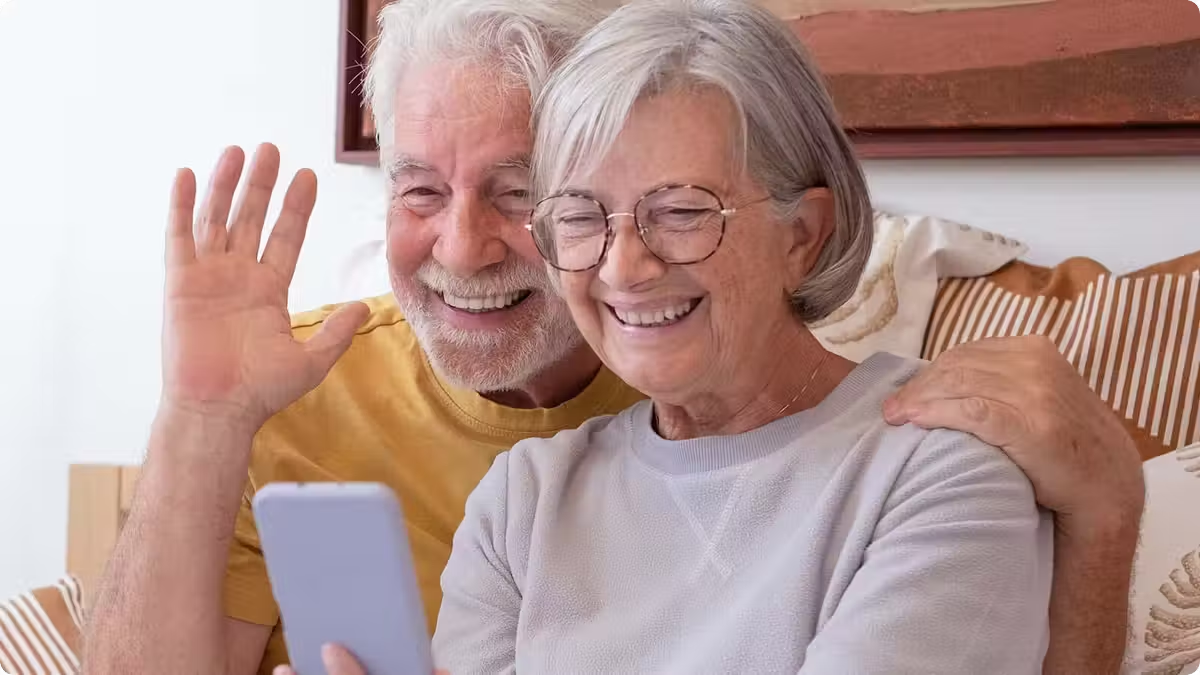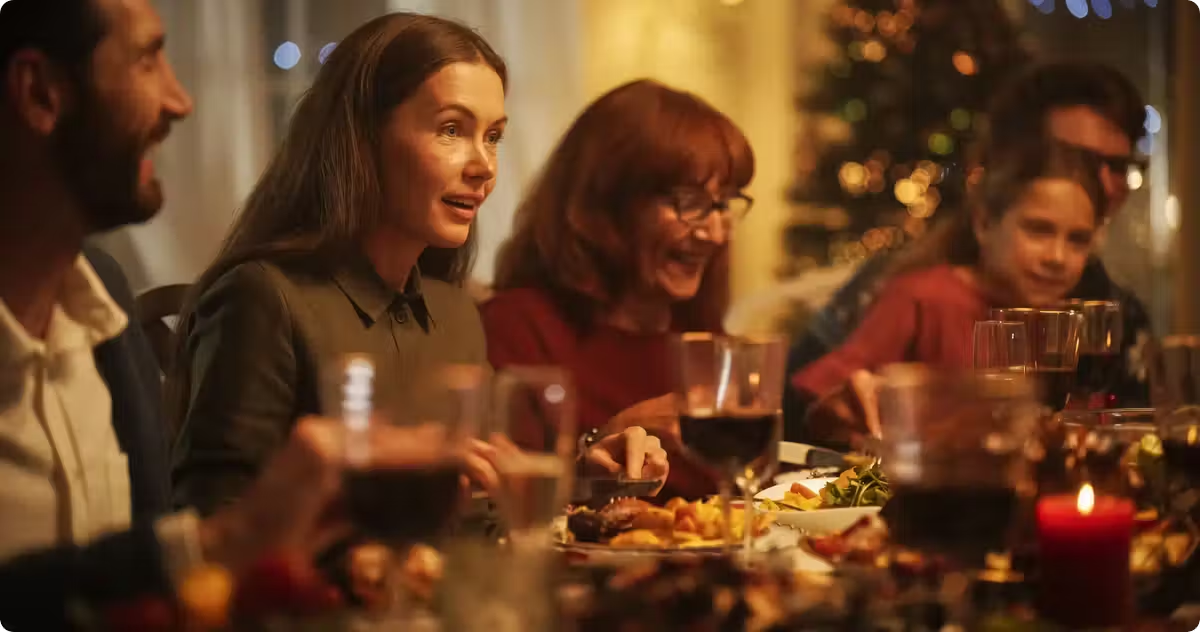
Thanksgiving gatherings often involve traveling, long meal preparation, and expressing appreciation, yet feeling connected can be more complicated than simply being together. [1]
People sometimes sit across from lifelong acquaintances, repeating familiar questions, retelling the same stories, or avoiding topics that might spark an argument. [1]
Even surrounded by family, some people feel surprisingly lonely during the holiday. [1]
Drs. John and Julie Gottman’s research shows that romantic relationships are strengthened through everyday moments of turning toward one another, such as a question, a shared laugh, or a thoughtful follow-up that communicates recognition and interest. [1]
These concepts also apply to non-romantic familial relationships. Comfort with heartfelt conversations about gratitude and appreciation varies, with some family members preferring deep talks and others preferring light, playful exchanges. [1]
The aim is not to force meaningful conversations but to create opportunities for fun and interesting dialogue by asking questions to which you do not already know the answers, finding a middle ground between boring small talk and overly intense discussions. [1]
A gamified approach can reduce pressure at the Thanksgiving table. [1]
Playfulness can make conversation starters feel less pressured, and a game can be used this Thanksgiving. [1]
The suggested method is to print a list of ten questions and pass it around the table so each person can choose a question and answer it. [1]
Participation is voluntary, with no pressure, no right or wrong answers, and the option to pass. [1]
The list is presented as ten Thanksgiving conversation starters. [1]
One starter asks what one thing someone at the table does that you appreciate. [1]
Another starter asks what you are more grateful for now than you were ten years ago. [1]
A starter invites sharing a little thing someone did recently that made your day better. [1]
A starter asks what you are looking forward to. [1]
A starter invites a fond memory of someone who is not able to be present today. [1]
A starter asks what you particularly enjoy about the family or its traditions. [1]
A starter asks what you are most excited about for the coming year. [1]
A starter asks for your favorite Thanksgiving dish. [1]
A starter asks what you are reading, watching, or listening to lately that you find really interesting. [1]
A starter asks what hobby you have been spending time on lately. [1]
The list is a starting point and can be adapted with questions that fit the family’s personality and humor. [1]
The real impact comes after the question is asked. [1]
Asking a good question is only the beginning; how you respond to the answer matters even more. [1]
In Gottman Method Couples Therapy, a bid for connection is any attempt to connect by showing genuine interest, affection, or concern, ranging from a hug to sharing something that happened during the day. [1]
When someone answers a Thanksgiving question, they offer a glimpse into their world, and the response can encourage further sharing or halt the conversation. [1]
For example, an uncle might mention learning to play the guitar. [1]
A brief “That’s nice” can end the exchange. [1]
Turning toward the person with genuine curiosity is presented as an alternative. [1]
Possible curious follow-ups include asking what made him decide to start. [1]
Another follow-up asks what his favorite song to play is. [1]
Another follow-up asks how it is going so far. [1]
You do not need personal interest in the topic to show interest in the person, and brief responses like a smile, laugh, or “Tell me more about that” can help someone feel seen and valued. [1]
Small moments can make a big difference around the Thanksgiving table. [1]
Meaningful memories do not require a picture-perfect holiday. [1]
Conversations may not always go smoothly; some people give one-word answers, change the subject, or decline to play, and the ideas can still be applied spontaneously. [1]
For a different Thanksgiving activity, a list of 19 Ways to Say Thank You is referenced. [1]