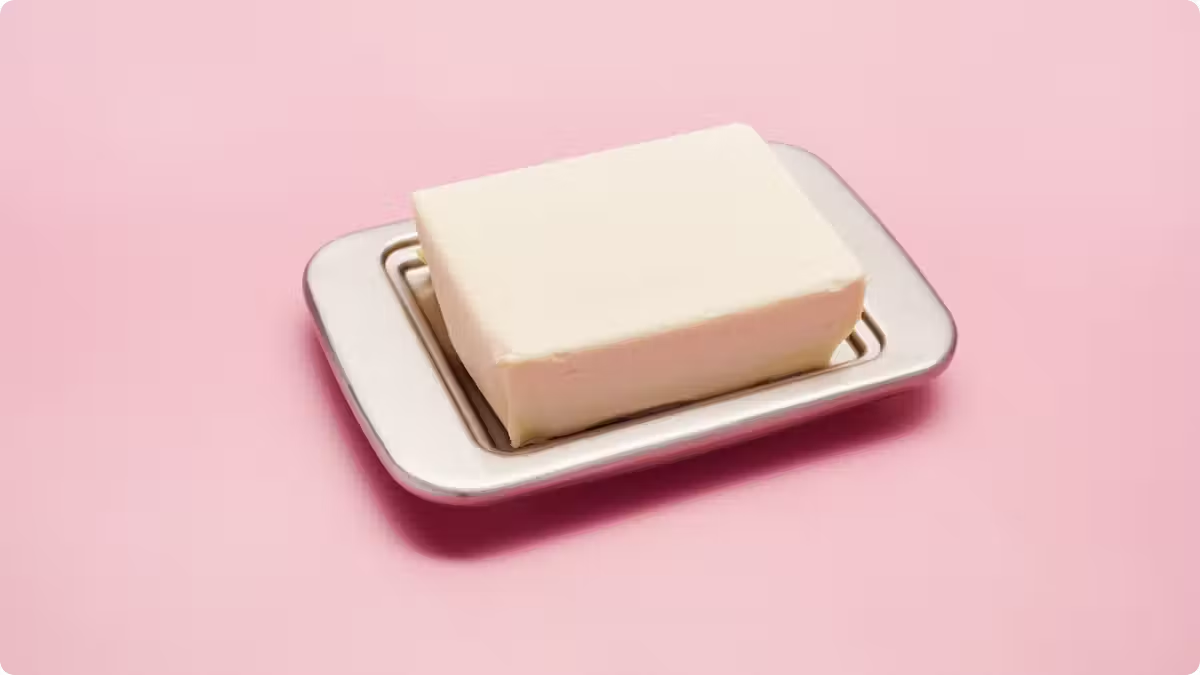
Consumer scrutiny often extends beyond coffee to other staple items in discount supermarkets, revealing that familiar brand names frequently manufacture store-brand goods. A notable example involves Aldi’s 'Milsani' herb butter, which is produced by the renowned dairy manufacturer Meggle, based in Wasserburg am Inn. Despite being sold under Aldi’s private label, the product shares its quality profile with Meggle’s branded offerings, typically commanding higher prices in retail channels. This arrangement allows consumers to access equivalent quality at a lower cost, bypassing the premium associated with established brand logos. [1]
Quality assessments further underscore the reliability of these private-label collaborations. The 'Milsani' German brand butter from Aldi Süd received a 'Good' rating (2.1 grade) in a December 2023 test conducted by Stiftung Warentest. Out of 30 butter products evaluated, 'Milsani' was among the recommended options. The test highlighted exceptional results in microbiological quality, indicating high standards of freshness and hygiene during production. Such independent verification suggests that private-label products from manufacturers like Meggle can meet rigorous quality benchmarks comparable to, or exceeding, those of more expensive competitors. [1]
These findings reinforce a broader trend in the discount retail sector: private labels are not inherently inferior to branded alternatives. Many discounters partner with established producers who apply identical or similar manufacturing processes to both branded and store-brand items. By eliminating marketing and branding expenses, retailers pass the savings to consumers. For shoppers, this model offers a strategic opportunity to maintain high standards of taste and quality while adhering to budget constraints, provided they remain informed about the underlying manufacturers behind specific products. [1]
- Entities: