Dead leaves on railway tracks, which appear harmless, pose a significant challenge for SNCF during the autumn season. When crushed by passing trains and mixed with rainwater, these leaves form a slippery, oily vegetable paste on the rails. This layer drastically reduces traction, causing trains to lose grip and leading to operational disruptions. [1]
The phenomenon manifests in two distinct ways affecting train movement. During acceleration, the loss of traction causes the wheels to spin without gaining speed, a situation colloquially known among railway workers as 'drying one's feet' ('s'essuie les pieds'). Conversely, during braking, the wheels lock up and slide along the rail, extending stopping distances. This sliding action wears down the wheels, potentially creating flat spots that result in 'square wheels', a severe damage requiring immediate repair. [2]
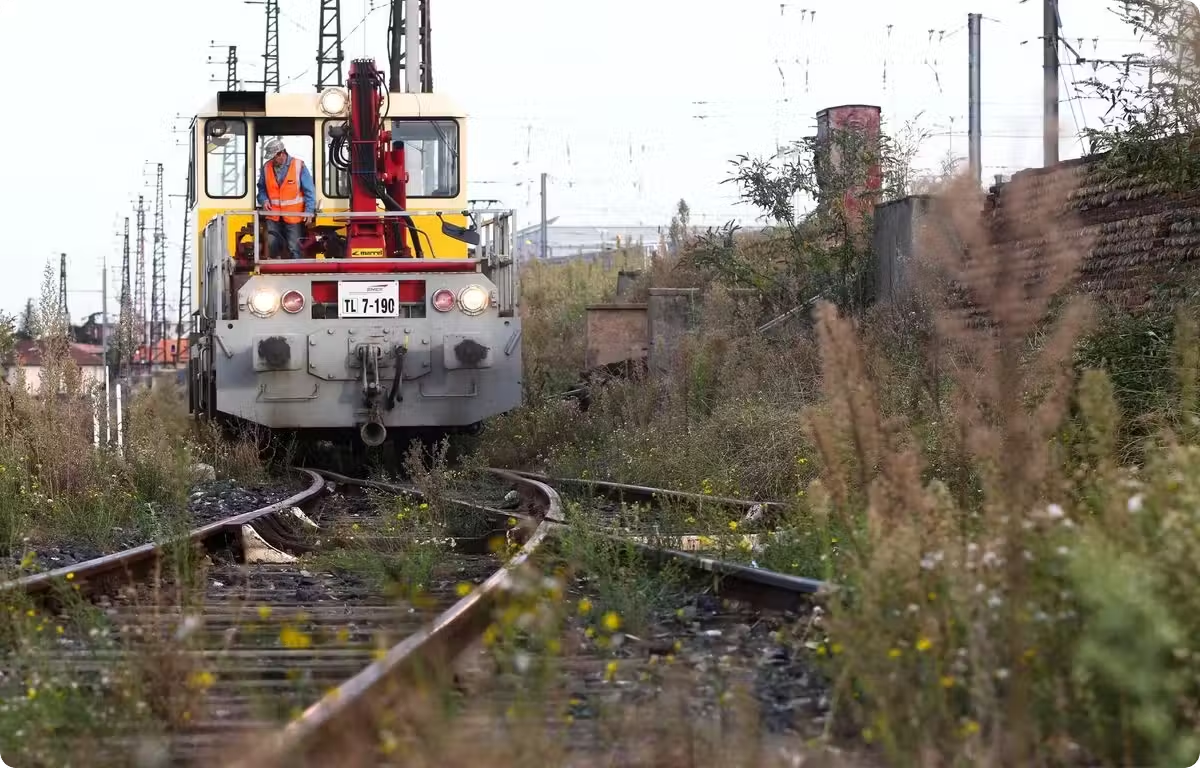
To mitigate these issues, SNCF has implemented a comprehensive 'traction project' active from October 1st to December 31st. Key measures include the deployment of specialized cleaning trains that spray high-pressure water to remove leaves from the tracks. Locomotives are also equipped to dispense sand ahead of their driving wheels to enhance friction. Additionally, modern trains feature anti-lock braking systems (ABS-like devices) to prevent wheel locking. [2]
Beyond mechanical interventions, SNCF relies on proactive maintenance and advanced communication. Maintenance crews operate seven days a week to trim vegetation alongside the tracks and maintain equipment. Drivers are alerted to low-traction zones in advance through bulletins from Météo-France, which predict risk areas for the coming days. This information allows drivers to adapt their speed and braking profiles proactively, minimizing the impact of the reduced traction. [2]
The operational impact of leaf-induced traction loss is significant. Historical data from 2021 indicates that dead leaves caused approximately 9,000 delays and led to the cancellation of 125 trains. Furthermore, around 36,000 axles required repair due to the damage caused by square wheels. In extreme cases where a train loses traction entirely, the driver may be forced to stop the train and request assistance from a rescue locomotive, further complicating schedules. [2]
The problem extends beyond simple delays; it affects the structural integrity of the rolling stock. The 'square wheel' phenomenon requires trains to be removed from service and sent to workshops for wheel reprofiling or replacement. This not only incurs high maintenance costs but also reduces the overall availability of the fleet. The combination of weather conditions and railway mechanics makes autumn a uniquely challenging period for SNCF's operational reliability. [2]
- Categories:
- Transport
- Entities: