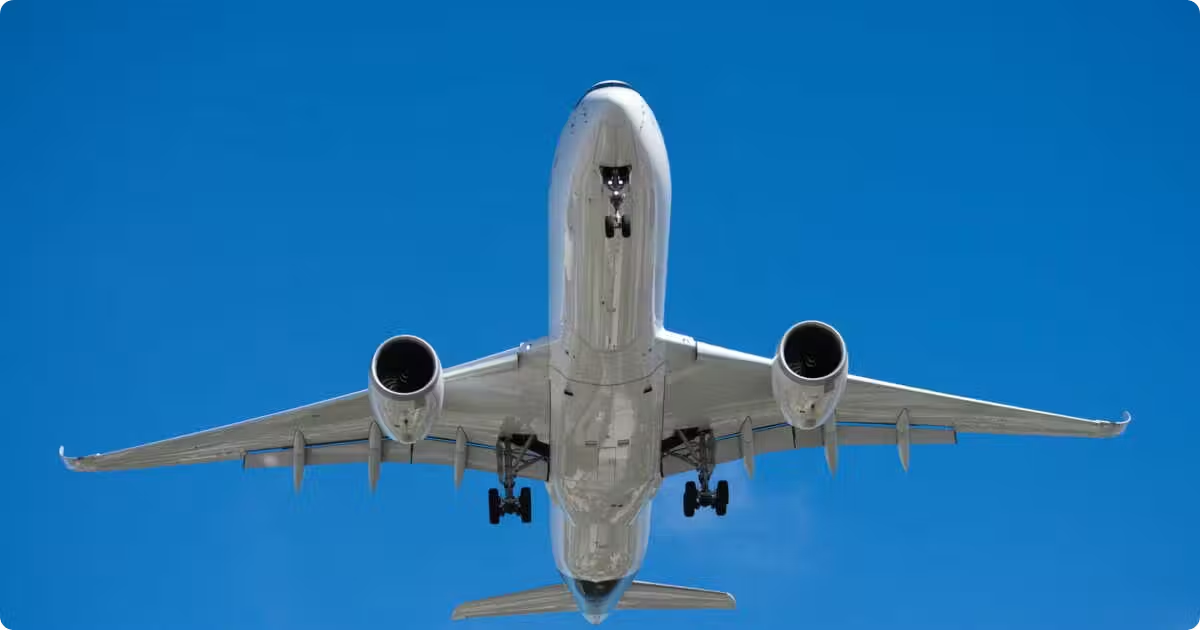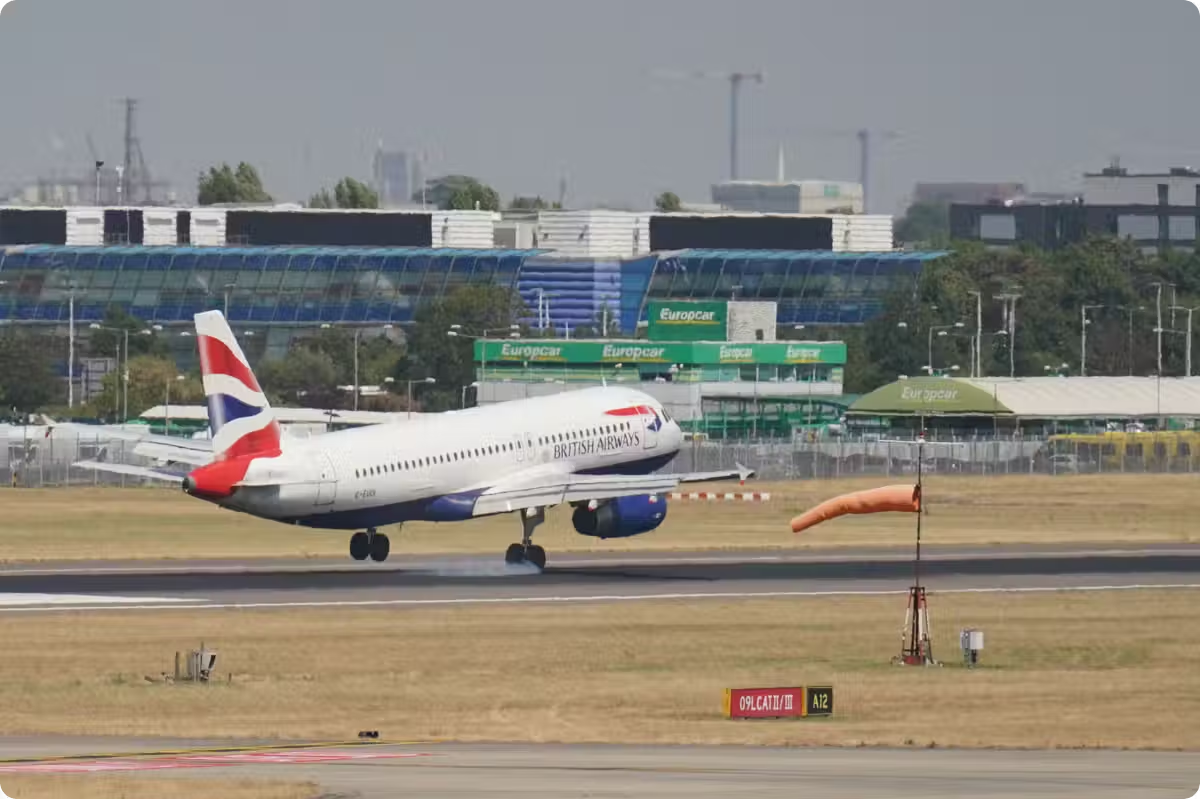
Heathrow and Birmingham airports received electronic threats, assessed as not credible, in a wave of bomb alerts that affected air traffic across the entire European continent. According to available information, operations at both British terminals continued normally, with standard aviation security procedures activated. [1] [2]
At least a dozen flights were targeted by such threats on Thursday, including services from Copenhagen, Helsinki, Madrid, Milan, and Warsaw. Low-cost company EasyJet confirmed that its flights arriving from Newcastle and Glasgow were greeted by Czech police in Prague as a precautionary measure. Passengers aboard the two aircraft disembarked normally. [1] [2]
One peak of incidents was the Aer Lingus flight EI402, which took off from Dublin bound for Rome but was diverted to a military air base in France (Evreux). According to the French regional prosecutor, the pilot, along with his English co-pilot, are under investigation after initially refusing the order to land in France, and the plane was escorted by two fighter jets. The flight ended without incident, and passengers and crew were secured safely. [2]
The threats were sent via email, one of them being signed by a group that describes its self-definition as 'anti-feminist'. The Associated Press (AP) reported that other European airports also reported similar messages, sent by entities invoking the same political motive, although it is not clear if these originate from the same organized source. [1] [2]
Besides the Dublin-Roma incident, other airlines reported disruptions. Ryanair diverted a flight from London Stansted to Sofia to an emergency location, Plovdiv. Wizz Air stated that two flights from Milan (to Bucharest and Warsaw) were targeted, one landing normally and the other arriving safely in Vienna. The companies declared they are cooperating with authorities and that passenger safety remains a priority. [1] [2]
Transport Secretary Heidi Alexander informed the media that British authorities are taking these incidents 'seriously', but have confirmed that they are malicious fake threats ('hoaxes'), not real dangers. The official position of the UK Government and the airlines highlights the existence of well-established mechanisms for managing these situations, with threat classification based on credibility criteria (green/grey-red). [1] [2]
- Categories:
- Transport
- Entities: