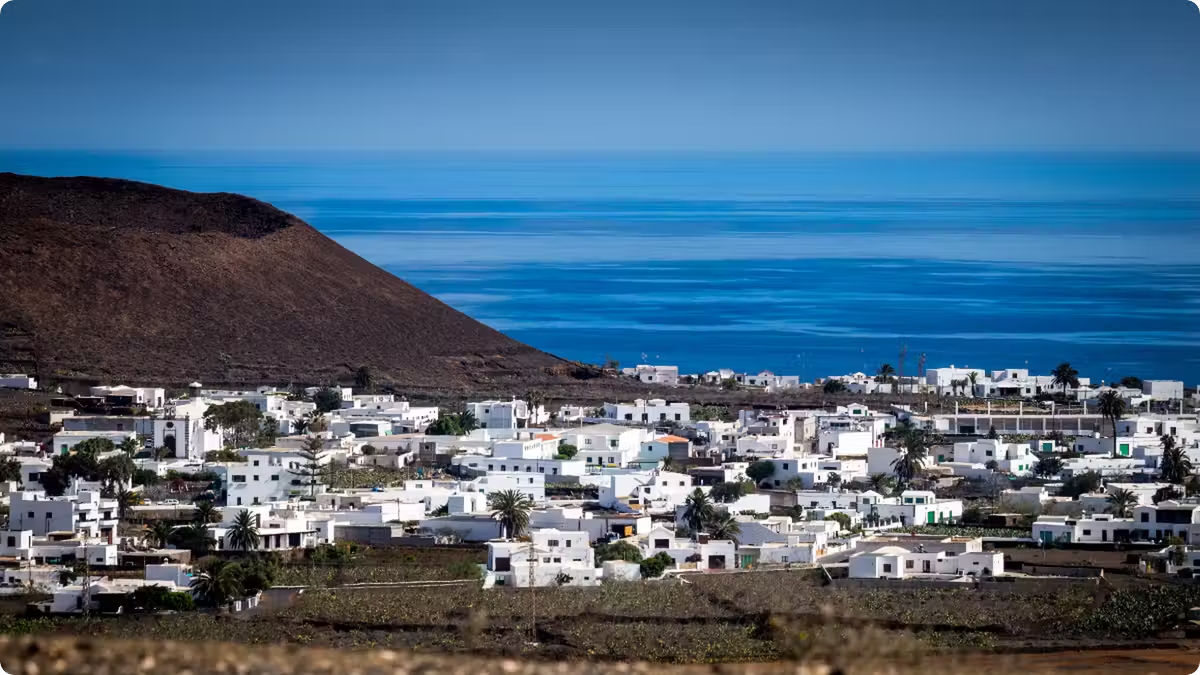
Lanzarote, the easternmost island of Spain’s Canary archipelago, is emerging as a premier destination for travelers seeking to escape the colder months of autumn and winter. Distinct from the lush greenery often associated with tropical islands, Lanzarote presents a stark, surreal landscape defined by black lava fields, rust-colored volcanoes, and golden or black sand beaches. This unique topography, combined with mild year-round temperatures, makes the island a compelling 'bucket-list' location for those wanting to replace winter coats with linen and sandals without enduring excessively long transit times. [1]
One of the primary drivers of Lanzarote’s appeal as a winter retreat is its accessible climate. The average daytime high temperature in January hovers around 21 degrees Celsius (approximately 70 degrees Fahrenheit). This moderate warmth, coupled with a flight time of just five hours from many parts of mainland Europe, positions the island as an ideal spot for a quick 'sun pause.' Travelers looking to break up the cold season can easily arrange short getaways, choosing from a variety of accommodations that range from traditional fincas to adults-only hotels, ensuring comfort whether the trip is a family holiday or a solo retreat. [1]
The geological history of Lanzarote dates back to massive volcanic eruptions between 1730 and 1736, which fundamentally shaped its current aesthetic. The island was declared a UNESCO Biosphere Reserve in 1993, largely due to these preserved volcanic features. A key attraction for visitors is the Caldera Blanca, one of the largest volcanic craters on the island. Hiking trails wind through black lava fields for three to four hours, leading to crater edges that offer spectacular panoramic views of the volcanic landscape stretching out to the deep blue Atlantic Ocean. [1]
Beyond its dramatic geography, Lanzarote possesses a distinctive agricultural tradition, particularly in viticulture, which defies typical expectations for such a barren environment. In the region known as La Geria, vines are grown in small, funnel-shaped pits dug into the black volcanic ash. These pits protect the grapevines from the harsh wind while capturing moisture from the air. The resulting landscape appears almost like a work of art, contrasting the black soil with the green vines. Visitors can experience this unique culture firsthand at local venues like El Chupadero, a wine bar nestled in the vineyards where guests can sample local white wines and tapas. [1]
For those interested in photography and natural beauty, the Salinas de Janubio in the southwest of the island offers a striking visual experience. These historical salt flats reflect the changing colors of the sky, often shimmering in pink and red hues depending on the light. Adjacent to the salinas is Playa de Janubio, a nearly deserted beach with black volcanic sand. The site is particularly photogenic during the hour or two before sunset, when warm lighting intensifies the colors of the water and salt crusts. [1]
Adventure seekers can experience the island’s scale and isolation by taking to the air via tandem paragliding. The winds over Lanzarote provide excellent conditions for flying, offering breathtaking aerial perspectives of the volcanic terrain and coastline. However, these flights are subject to weather and wind conditions, requiring flexible scheduling. This activity is highlighted as a memorable way to gain a new perspective on an island that feels more like another planet than a traditional European vacation spot. [1]
Cultural immersion is available through the island's network of local markets, known as 'mercadillos.' These markets are scattered across Lanzarote, with the most prominent being the Sunday morning market in Teguise. Other regular markets operate in Haría, Mancha Blanca, Uga, and Playa Blanca. These venues allow visitors to engage with authentic Canarian life, purchase regional products, handmade ceramics, jewelry, and taste local specialties, providing a tangible connection to the island's daily rhythms beyond its tourist infrastructure. [1]
- Categories:
- Tourism
- Entities: