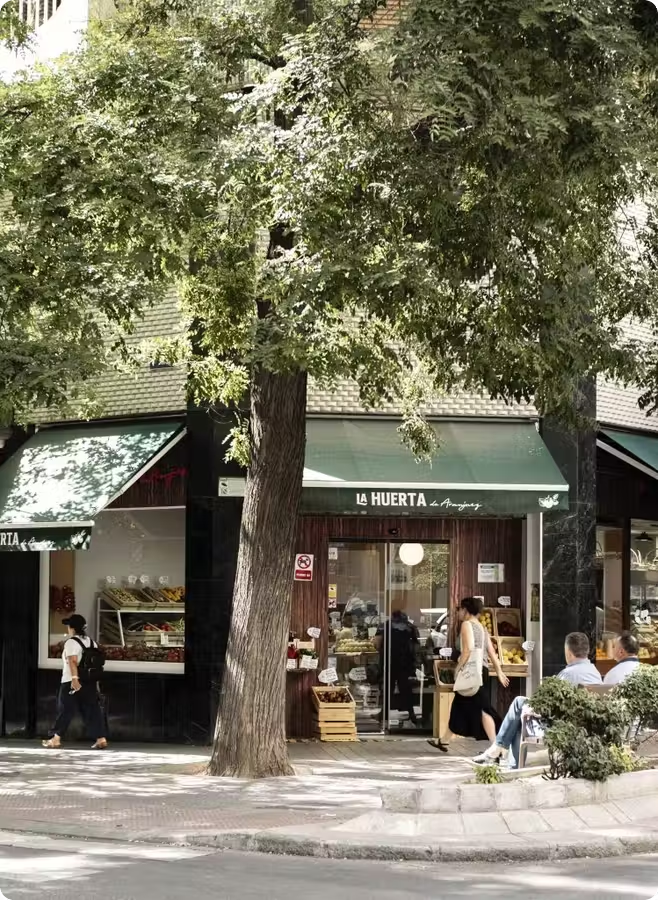
Ask a Madrilenian, and they will enthusiastically answer that Madrid is undoubtedly the best place on earth. Walking through the city confirms why: life here spills out onto the streets regardless of the weather. From cafes on Gran Vía where locals enjoy café con leche, to the bustling sidewalks filled with people talking, laughing, and eating, Madrid operates as an open-air living room. This outdoor culture extends to 'el tardeo,' the afternoon socializing with colleagues or friends, a practice that contrasts sharply with how city dwellers elsewhere might seek shelter from poor weather. The city’s compact layout makes it highly walkable, allowing visitors to easily navigate between districts that each possess a distinct character, ranging from stately mansions and boutique shops to vintage stores and market stalls. [1]
The journey often begins at Puerta del Sol, the most famous square in Madrid and a hub of Spanish symbolism. Here, the official 'Kilometer Zero' marking the start of major Spanish roads is embedded in the pavement. Nearby, a bronze sculpture depicts a bear stretching towards a madroño tree, a fruit resembling strawberries, which together form the centuries-old coat of arms of Madrid. Just beyond Sol, towards Plaza Mayor, the city offers endless opportunities for snacking. Bakeries and bars display temptations like tortillas and croquetas. At Plaza Mayor, surrounded by red facades and 237 balconies, tourists can sample classic dishes. A standout is the 'bocadillo de calamares' (fried squid sandwich) perfected at Pistola, served with a house-made sauce of baby cuttlefish and blood sausage, accented with Iberian pork cheek, aioli, and lime zest. [1]
For tapas, La Latina is the destination, particularly along Calle de Cava Baja where bars cluster closely together. Reservations are rarely necessary or even possible; the local custom is simply to enter where it looks lively and join a table if one opens up. On Sundays, this vibrant district hosts El Rastro, a sprawling flea market featuring clothing, antiques, furniture, and art. The area also embodies the tradition of 'la hora del vermut,' or vermouth hour, a social ritual in the late morning. Residents drink red vermouth, often from the tap, accompanied by olives or chips to stimulate appetite before lunch. This culture of spontaneous socializing defines the city's rhythm. [1]
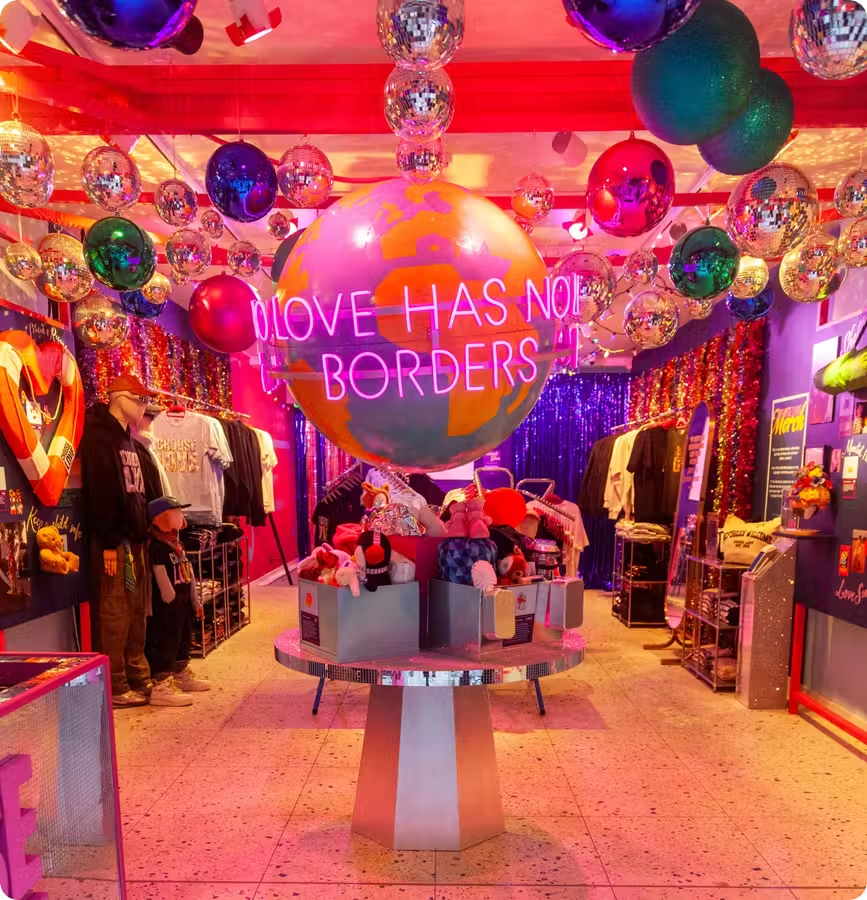
Greenery can be found in the wealthy Retiro neighborhood, known for wide avenues and many dog owners. The Retiro Park, formerly a royal private garden, is now the preferred spot for walking, sports, boating, and resting. Visitors walk past the lake and the Palacio de Cristal, a glass palace built for an 1887 exhibition and situated among trees like a giant glass dome catching the light. The adjacent Salamanca district offers high-end shopping, with window displays filled with designer boots, bags, and clothing. In contrast, Malasaña presents a younger, alternative vibe less rooted in classical Spanish traditions. Its streets are defined by vintage shops, coffee bars, concept stores, and students. Highlights include Juanita la Vintage, El Moderno Concept Store, and La Mona Checa, a shop with a ceiling resembling a circus tent. Nearby, Chueca serves as the beating heart of the queer scene with approximately ten gay clubs, a stark transformation from its past reputation as a grim neighborhood. [1]
While Barcelona and Spain’s coastal resorts attract many tourists, skipping Madrid is considered a mistake. The city boasts world-class museums such as the Prado, housing works by Velázquez, Goya, and El Greco; the Reina Sofía, featuring modern art including Picasso’s Guernica; and the Thyssen-Bornemisza, which complements the other two with its diverse collection. For a unique viewpoint, visitors should head to the Temple of Debod at sunset. This Egyptian temple was gifted to Spain in the 1960s and sits on a hill overlooking the city, offering a view where the stones turn warm red and the terracotta roofs spread out like a carpet below. [1]
- Categories:
- Tourism
- Entities: