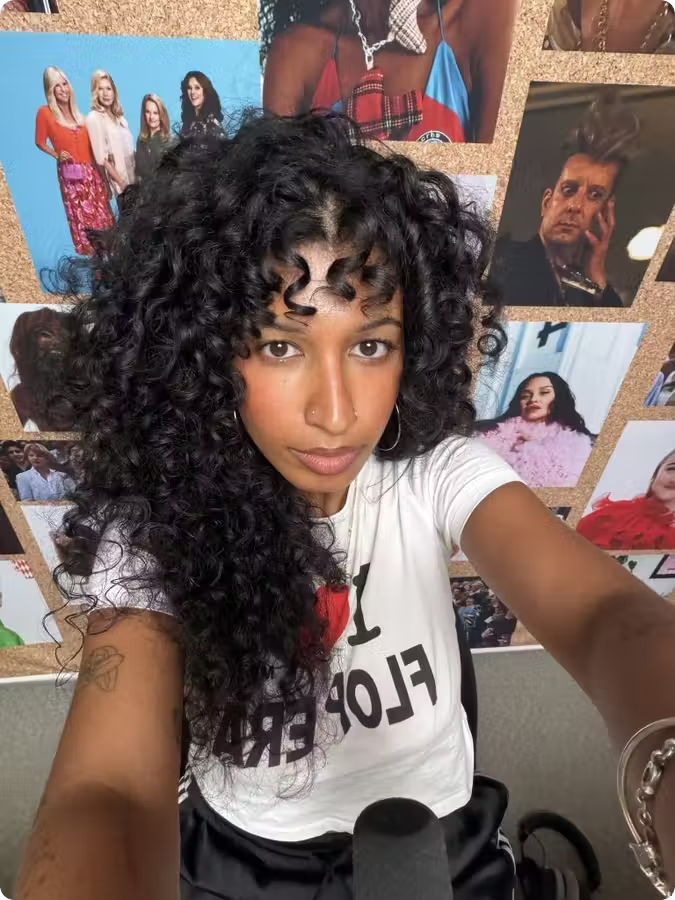
Linda.nl editorial columnist Merry calls for banning anonymous accounts on social networks, arguing that anonymity allows the publication of racist messages and death threats without immediate consequences for the aggressor. The author justifies her position through her own experience as a victim of online harassment, especially after being contacted by an unknown person who promised to have her residence permit revoked, even though Merry was born in the Netherlands. [1]
Merry cites the case of a teenager missing from the Netherlands, around which reactions circulated assuming the victim's or her family's guilt based on alleged ethnic or geographical origin. The journalist refers to an incident publicized last summer, where footballer Défano Holwijn responded to racist messages received via direct message from an individual suggesting he steal bicycles and support Congolese football. [1]
Following the exposure of the aggressor, his employer was inundated with calls and emails of condemnation, but Merry notes that the police agency initially intervened at Holwijn's door, not the aggressor's. [1]
That intervention was perceived by the journalist as an indicator of inverted logic, where those who distribute contempt are better protected than those who endure it. [1]
The columnist suggests that platforms should require identity verification before creating an account, similar to the procedure for renting electric scooters, which requires presenting a driver's license and real data. An authentication system mandatory via DigiD or equivalent, with visible photo and real name, would prevent many users from posting hostile comments under an illusion of safety. [1]
Merry acknowledges that this measure may seem harsh, but justifies it through the need for persons posting toxic content to be publicly and professionally accountable, just as when they cause physical harm. [1]
- Categories:
- Society
- Entities: