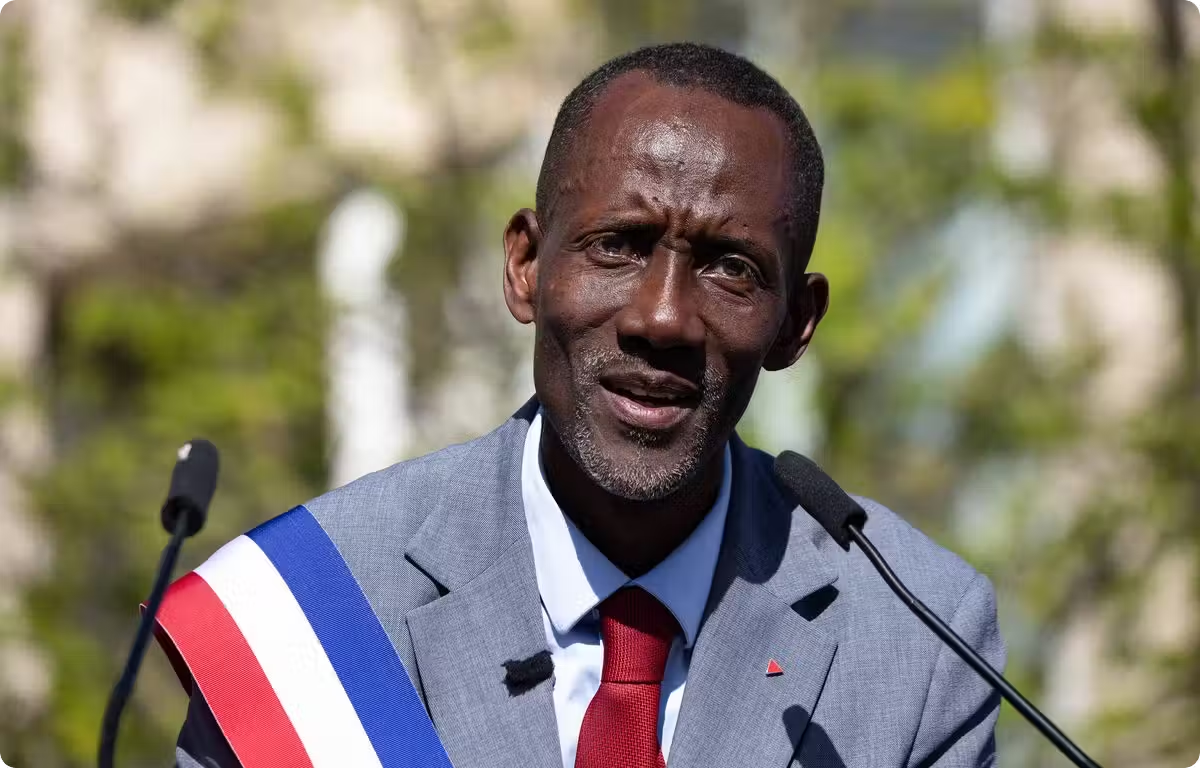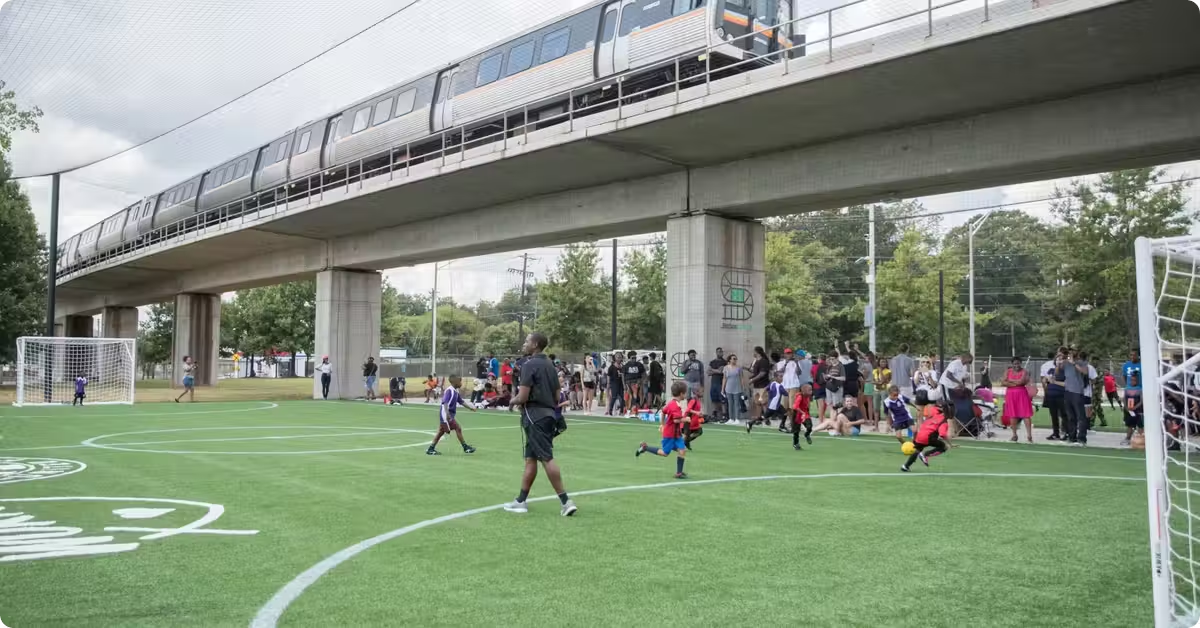
While behavioral signs such as social surrogacy highlight the internal experience of hidden isolation, a new legislative proposal frames the solution as a collective societal challenge rather than an individual burden. Senator Chris Murphy (D-Conn) introduced the In Real Life (IRL) Act, which seeks to combat social isolation and loneliness by shifting the responsibility from personal coping mechanisms to systemic investment in social infrastructure. Advocates for the IRL Act emphasize the value of unstructured, real-world interactions over algorithmic matching. The proposal is grounded in the observation that meaningful connections often emerge serendipitously in shared physical spaces. Examples include informal soccer games organized by locals in public parks, where participants join spontaneously without digital coordination or payment, relying instead on the accessibility of the environment and a shared interest. Children also benefit from these accessible environments, where play areas facilitate organic socialization among peers and families. Placing interactive facilities such as soccer fields directly within transit hubs reduces barriers to participation. By integrating recreation with daily commuting routes, these designs make social engagement a natural byproduct of routine travel rather than a scheduled activity requiring extra effort. Public health experts argue that social infrastructure is essential for community resilience. Accessible, age-inclusive spaces such as libraries, community centers, and green areas serve as anchors for civic life. They offer neutral grounds where individuals can encounter diverse groups, reducing polarization and creating opportunities for cross-demographic interaction that strengthen the overall social fabric. Current market responses often restrict access to these experiences. As public resources struggle, individuals with financial means increasingly purchase friendship services, turning social connection into a commodity. The IRL Act addresses this inequity by framing loneliness as a structural issue that requires public funding and community-wide strategies rather than relying on private spending. The legislative framework proposes establishing a Social Capital Fund financed by a levy on major social media companies generating over $500 million annually. This dedicated revenue stream would distribute resources directly to municipalities, tribal governments, and towns. The goal is to provide sustainable funding for maintaining physical spaces and supporting local organizations that facilitate community building. Research supports the effectiveness of these physical environments over digital alternatives. Studies indicate that face-to-face friendships, particularly those crossing economic divides, are strong predictors of upward social mobility. Additionally, surveys show that a significant majority of residents engage in casual, positive interactions with strangers in public spaces. Combining these venues with inclusive programming amplifies their impact on community cohesion. Atlanta’s StationSoccer initiative serves as a practical model for the IRL Act’s vision. By installing soccer fields at transit stations, the program leverages existing commuter traffic to create social hubs. Backed by partnerships among the city, transit authorities, and local foundations, it demonstrates how strategic placement can transform underutilized land into active centers for social capital development. Evidence-Based Frameworks: Evidence-based frameworks emphasize that inclusive programming is critical for maximizing the utility of social spaces. Initiatives that provide structured activities within these areas ensure sustained participation. This approach highlights the necessity of combining physical infrastructure with consistent, welcoming programming to maintain active communities. Community-driven efforts have successfully revitalized urban areas through design innovation. Converting vacant spaces into functional public amenities fosters neighborhood pride and encourages ongoing civic engagement. Recognition from national design organizations underscores the potential for such transformations to drive broader social benefits. Accessible design ensures that all demographics can participate. Locating programs along regular travel paths removes transportation obstacles. Outdoor activities provide health benefits while encouraging family involvement. Transforming passive land into active hubs strengthens the social networks of thousands of residents, proving that publicly funded connection initiatives yield significant returns for urban communities. Investment choices determine the character of future societies. Prioritizing shared spaces and supporting organic social interactions builds resilient communities. Focusing on these collective assets ensures that everyone has the opportunity to form meaningful bonds. Society is urged to commit resources toward creating environments that naturally foster connection. Market Dynamics in Social Connection: Recent analyses highlight a growing trend of consumers purchasing professional matchmaking and friendship services. This commercialization indicates a widespread failure of natural social channels. Treating loneliness as a consumer problem overlooks the root causes and fails to address the need for affordable, universal access to social opportunities. Assessment Tools: Evaluating one's social infrastructure needs is the first step toward improvement. Checklists and quizzes designed to measure community connectivity help individuals identify gaps in their local environments. Using these tools facilitates targeted advocacy for better public spaces. Academic Perspectives: Scholars document how quality public spaces reduce inequality and restore civic life. Books such as 'Palaces for the People' analyze the correlation between robust infrastructure and community strength. Understanding these dynamics is essential for policymakers and advocates working to implement effective legislation. [1]
- Categories:
- Society
- Entities:
-
- Texas
- Georgia
- Atlanta
- Georgia Power
- Chris Murphy
- Julianne Holt-Lunstad
- MARTA
- Stationsoccer
- Soccer In The Streets
- Atlanta United Community Fund
- Children’S Healthcare Of Atlanta
- Fast Company Innovation By Design Awards
- Trust For Public Land
- U.S. Surgeon General’S Advisory On Social Connection
- In Real Life Act
- Social Capital Fund