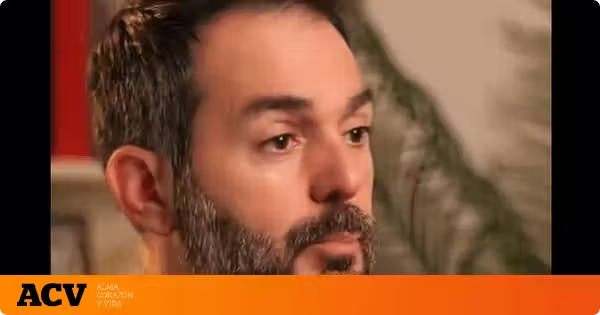
Richard Gracia, a Spanish entrepreneur and investor, has drawn attention to how money management reflects not only in major economic decisions but also in minor daily habits that can reveal our relationship with saving, consumption, and the fear of running out of resources. Through a video posted on social media networks, Gracia offered an analysis of what he calls the 'poverty' or scarcity mindset, linking it to certain seemingly insignificant household behaviors. As a central example, the expert mentioned the very common habit in many households of accumulating plastic bags from supermarkets without ever actually using them. 'Poor people like to keep supermarket plastic bags everywhere,' Gracia states at the beginning of his commentary. The entrepreneur describes how some households end up storing large quantities of bags of different sizes, many of which have been forgotten for years in cupboards. According to his interpretation, this tendency to conserve useless objects is determined by a type of thinking marked by the fear of needing something in the future. [1]
For the investor, the fundamental aspect is not the economic value of these items, but the reason they are kept. 'The scarcity mindset lives in habits so small that you don’t even see them in everyday life,' Gracia explains. He extends this idea to other household items, such as empty containers, old cables, or utensils that have lost their utility but remain stored in the hope of eventual reuse. Gracia argues that accumulating objects out of fear of needing them can reflect a constant concern regarding resource shortage. From his perspective, this behavior is not limited to the physical space occupied by property but also influences how you approach certain economic and personal decisions. [1]
'Abundance does not coexist with hoarding and fear. They are completely opposite forms of thinking,' the entrepreneur states. Through these words, he suggests that the lack of utility of certain things can become an exercise in modifying the relationship we have with our possessions and economic uncertainty. His proposal consists of gradually abandoning this tendency to keep everything in case of potential future needs. 'Throw away the bags,' Gracia recommends, although he immediately clarifies that his message goes beyond simple cupboard organization. For him, real change lies in stopping taking decisions permanently driven by the fear of being left without something. [1]
However, it is important to distinguish this personal interpretation from a general rule regarding household economics. Storing and reusing bags can also respond to reasons of savings, sustainability, or resource optimization, without necessarily implying a scarcity mindset. Likewise, getting rid of useless objects does not guarantee an improvement in financial situation, which depends on factors such as income, expenses, and saving capacity. [1]
Through this reflection, Richard Gracia invites the audience to review the behaviors we repeat automatically and ask ourselves if they respond to a real need or are merely products of habit. His message emphasizes the way personal experiences and the perception of economic security can influence our daily relationship with money and property. Contextualizing the discussion, sources cite psychological analyses that link anxiety about lacking money to behaviors such as collecting newly purchased objects or prolonging the keeping of products, suggesting that these acts can be coping mechanisms for uncertainty. Thus, Gracia's recommendations intersect with therapeutic views on managing financial stress. [1]
- Categories:
- Society
- Entities: