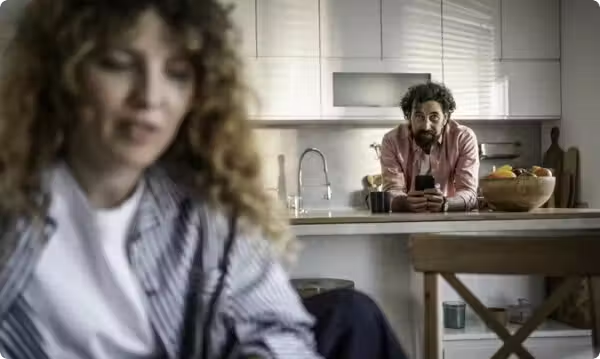
A guest marriage, also known as living apart together (LAT), is a relationship format where legally married couples choose to reside in separate households. Rather than sharing a daily life under one roof, partners meet periodically—often on weekends, during vacations, or by designating specific days for visits—while maintaining distinct homes, routines, and often separate financial budgets. The rise of guest marriages reflects a broader societal shift toward valuing personal autonomy and freedom. As modern individuals increasingly prioritize independence, both men and women are opting for relationship structures that preserve their individual space and self-determination, moving away from traditional models that demand constant proximity and shared daily duties. [1]
This trend is particularly prominent among professional women who have achieved career stability and financial independence. For these individuals, the traditional expectations of wifehood—which often include managing the household and prioritizing family over career—may conflict with their professional ambitions. Guest marriage allows them to maintain their hard-won independence without sacrificing the commitment of a formal union. The format has gained significant popularity among busy business professionals and entrepreneurs. The demanding schedules associated with high-level careers often leave little time for the romantic courting or deep emotional engagement required by traditional cohabiting marriages. Guest marriage offers a pragmatic solution, allowing partners to maintain a formal bond while accommodating their intense professional commitments. [1]
For some men, guest marriage serves as a refuge from the perceived loss of control and emotional vulnerability inherent in traditional marriage. By avoiding daily cohabitation, they can maintain a sense of autonomy over their actions and emotions, escaping the pressures of constant domestic responsibility and the fear of being overwhelmed by the emotional demands of a partner. Conversely, working women who do not aspire to create a traditional, cohabitating family structure find guest marriage appealing. It allows them to define their relationships on their own terms, avoiding the gendered roles often associated with living together, while still enjoying the social and legal benefits of marriage. [1]
Proponents argue that living separately prevents partners from having to adapt to each other’s daily habits and domestic rules. This separation can significantly reduce the frequency of arguments and criticisms that often arise from close-quarters living, preserving harmony by limiting interaction to planned, positive encounters. [1]
Meetings typically occur at the woman’s home, giving her full control over the environment and allowing her to prepare comfortably and confidently. This arrangement ensures that the woman’s space remains her sanctuary, free from the immediate intrusions of her partner’s daily presence. [1]
To ensure visits are special and conflict-free, men often invest effort in preparation: bringing gifts, flowers, and presenting themselves well. This ritualistic approach treats each meeting like a date, helping to maintain romance and excitement that might otherwise fade in a routine cohabiting relationship. [1]
Guest marriage does not inherently prohibit romantic involvement with others, though many practice it within monogamous boundaries. A key advantage for those seeking an exit strategy is the simplicity of dissolution; without shared property or a joint household to divide, ending the relationship can be handled peacefully and intelligently, without the legal and financial complications of divorce. Despite living apart, partners can establish agreements regarding practical responsibilities. For instance, a man might handle minor home repairs at his partner’s residence, or she might cook his favorite meals during visits, ensuring that mutual needs are met without the burden of daily domestic labor. [1]
The emphasis on preparation and presentation during visits underscores the intentionality of the relationship. Unlike cohabiting marriages where domestic routines can become mundane, guest marriages require partners to actively curate their time together, keeping the focus on connection rather than chores. [1]
Critics argue that guest marriages often lack deep emotional love because the partnership is based primarily on practical convenience and mutual benefit. Without the daily friction and resolution process of cohabitation, couples may avoid the deeper emotional work required for true intimacy, resulting in a superficial bond. The format is generally less beneficial for traditional homemakers who derive purpose and structure from managing a shared household. For career-oriented women, however, the flexibility and preserved independence of guest marriage align perfectly with their lifestyle goals and self-realization. [1]
A significant downside is the lack of consistent psychological and emotional support. In times of crisis or stress, the physical distance between partners can make it difficult to provide immediate comfort. Consequently, many guest marriages naturally dissolve over time as the emotional cost of separation outweighs the benefits of independence. Guest marriages have found widespread acceptance in the United States, where the value placed on individual liberty and legal pragmatism resonates with couples. The assurance that breakup proceedings are simpler—avoiding court battles over shared assets—makes this arrangement attractive to those who view marriage as a flexible contract rather than a permanent, indissoluble union. [1]
The advent of digital communication has further facilitated guest marriages, allowing couples to maintain their bond across distances. Technology enables functional, convenient relationships that strip away the sensual and emotional depth of daily cohabitation, reducing marriage to a series of scheduled, practical interactions. [1]
In contrast, guest marriages have struggled to gain traction in Russia and parts of Europe. While visible in large metropolitan areas among progressive or career-focused demographics, they face strong skepticism in provincial regions where traditional family values and community norms remain dominant. In smaller towns and rural areas, the limited population and fewer opportunities for privacy or alternative social structures make guest marriages less viable. The lack of a supportive peer group or anonymity makes deviation from traditional cohabitation socially risky, reinforcing adherence to conventional marital arrangements. [1]
- Categories:
- Society
- Entities: